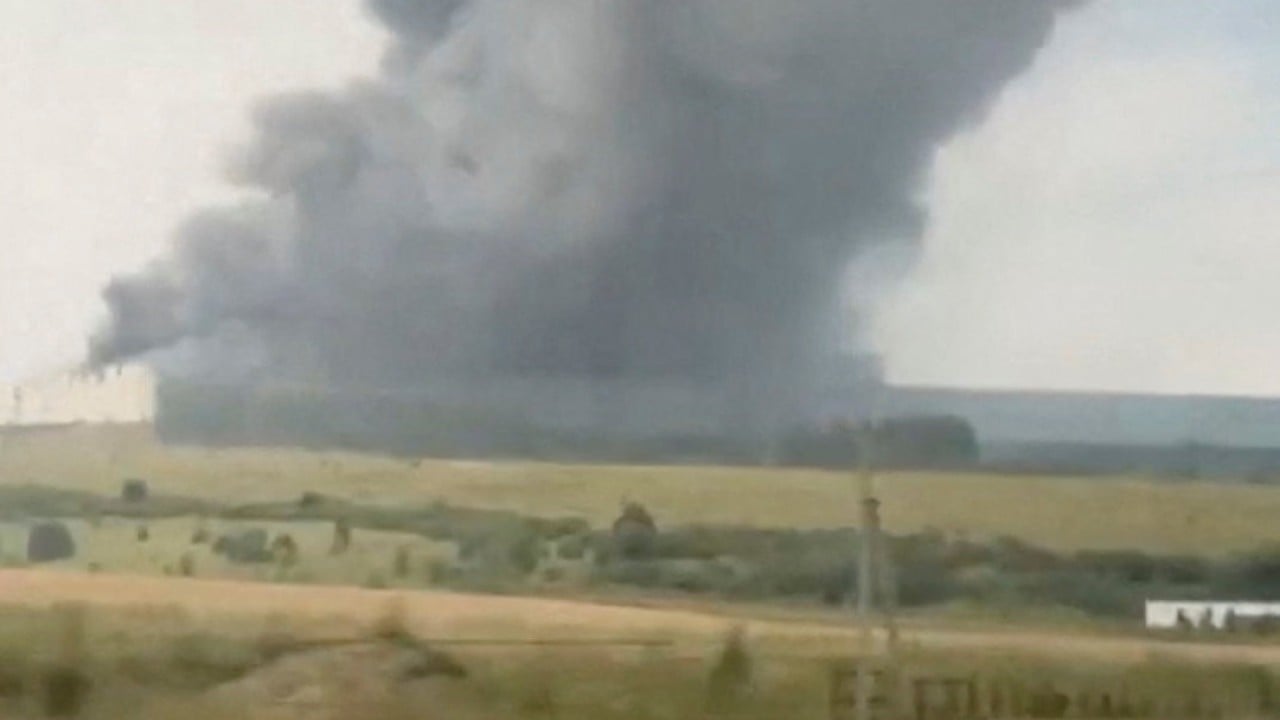
The war inside Russia is changing. Kyiv isn't just hitting military bases anymore. Supply lines, civilian infrastructure, and massive corporate hubs are now firmly in the crosshairs.
Overnight strikes along Russia's Volga River left at least two people dead and set fire to a logistics center run by Wildberries, Russia's largest online retailer. This wasn't an isolated incident. It marks a sharp escalation in a broader strategy to choke off the economic engine powering Moscow's military operations.
Inside the Volga River Strikes
Regional officials confirmed that the overnight aerial assault hit several key regions. In the Saratov region, a drone crashed into a residential high-rise in Engels, claiming two lives and damaging local civil infrastructure. Meanwhile, in the Samara region roughly 800 kilometers from Ukraine's frontline positions, a major Wildberries warehouse took a direct hit.
The Russian Defence Ministry claimed its air defenses shot down 635 drones overnight. Yet, the physical reality on the ground tells a different story. Fires broke out at multiple industrial and logistical sites, forcing widespread evacuations and paralyzing distribution networks.
Why is an e-commerce giant becoming a primary military target? The answer lies in the shifting nature of modern logistics.
The Military Value of E-Commerce
Wildberries is often described as Russia's answer to Amazon. It's the linchpin of the domestic consumer economy. But Ukrainian officials point to a darker side of its operations.
Intelligence reports and public statements from Kyiv argue that the platform's vast network has been co-opted to support the war effort. Warehouses across the country have reportedly been used to store and ship dual-use goods, including drone components, navigation gear, and protective equipment destined for Russian troops.
Ukraine has targeted roughly a dozen Wildberries facilities over the last few weeks. Forcing an online titan to halt operations creates massive ripples through the Russian supply chain. It disrupts small businesses, triggers panic among independent sellers, and strains state resources trying to secure thousands of civilian warehouses.
The Cost to Civilians and Infrastructure
Engels and Saratov are no strangers to conflict. Engels hosts a strategic military airbase housing bombers used in missile attacks against Ukraine, making it a recurring target. But when air defense debris or stray drones hit residential neighborhoods, the human cost skyrockets.
The death of two civilians in Saratov highlights the grim reality of an expanding drone war. As long-range unmanned aerial vehicles become more prevalent, the buffer zone separating the frontlines from ordinary Russian cities continues to shrink.
Beyond retail hubs, the recent wave of strikes also clipped energy infrastructure. Refineries and oil depots across the region have faced sustained pressure, compounding the economic toll on Moscow.
What Comes Next
The strategy is clear. By hitting retail giants like Wildberries and critical energy nodes, Ukraine aims to make the domestic cost of the war impossible to ignore. Expect these long-range strikes to continue targeting the logistical backbone supporting Russia's military machine.