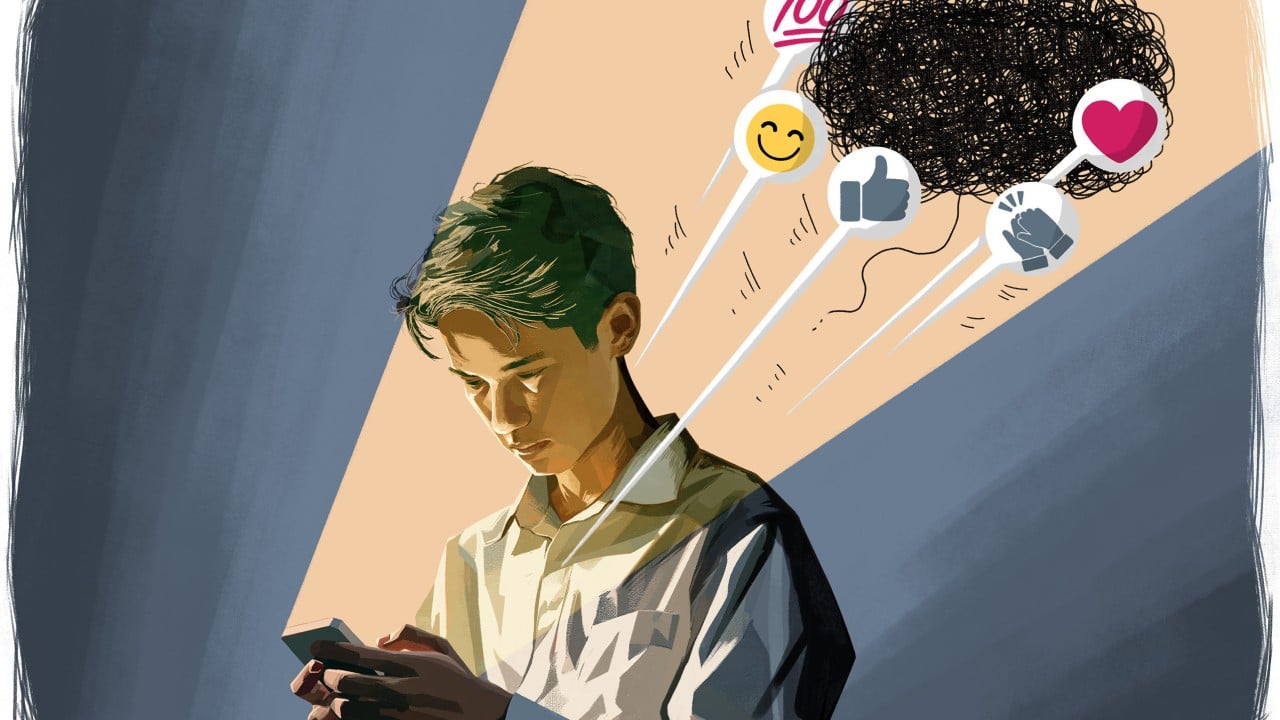
Surviving a disaster while others don't changes you instantly. When a theme park ride turns into a nightmare, the physical injuries heal, but the mental aftermath lingers for decades. People expect you to feel lucky. They tell you to celebrate your life. Honestly, it doesn't work that way. Instead, you're left carrying an invisible, crushing weight.
This weight is known as rollercoaster survivor guilt. It's a specific, agonizing form of trauma that happens when you make it out of an amusement park accident alive while friends or strangers perish. You constantly ask yourself why you got to walk away.
The Silent Reality of Rollercoaster Survivor Guilt
Trauma isn't logical. Your brain struggles to process the randomness of a mechanical failure. In major amusement park accidents, like the infamous 1972 Big Dipper crash in London or the 2016 Ardent Leisure Dreamworld tragedy in Australia, survivors frequently reported intense psychological distress long after the investigations ended.
When three friends die beside you, logic goes out the window. You start picking apart every tiny decision made that day. You think about who sat in which row. You replay the seating choices.
Choosing the front car instead of the back car shouldn't feel like a life-or-death decision. But when an accident happens, that mundane choice haunts you. Psychologists call this counterfactual thinking. It's the exhausting mental habit of creating alternative scenarios where things turned out differently. You blame yourself for things you couldn't possibly control.
Why Time Alone Doesn't Heal This Trauma
Many people assume grief fades over a few years. That's a myth. With severe trauma, time just builds a wall around the pain. The core of the issue remains untouched.
According to research from the National Center for PTSD, individuals who survive mass casualty incidents often experience prolonged grief disorder mixed with severe anxiety. The suddenness of a ride malfunction strips away your sense of safety. One minute you're eating cotton candy and laughing. The next minute, everything is shattered.
That whiplash destroys your trust in the world. You start seeing danger everywhere. Elevators, trains, and even stairs suddenly feel like death traps. Your nervous system stays stuck in high alert, waiting for the next catastrophe.
What Loved Ones Get Wrong About Your Recovery
Friends and family usually mean well, but they often say the wrong things. They say things like, "Everything happens for a reason," or "You have a purpose."
Those statements hurt. They imply that your friends died for some grand reason, or that they were somehow less deserving of life. It isolates you further. You stop talking about your feelings because you don't want to make others uncomfortable. You put on a brave face, but inside, you're drowning.
True recovery requires acknowledging the absolute randomness of the event. It means accepting that bad things happen to good people without any hidden meaning.
Steps to Manage the Heavy Burden of Survival
You can't just wish this feeling away. You have to actively work through the trauma.
First, look into Eye Movement Desensitization and Reprocessing, commonly called EMDR. This specific therapy helps your brain reprocess traumatic memories so they lose their terrifying emotional charge. It's widely used by trauma specialists worldwide.
Second, stop checking the news or looking up old accident reports. Constantly reading about the tragedy triggers your panic response and keeps you trapped in the past.
Third, find a specialized support group. Talking to people who understand the unique horror of a mechanical disaster helps immensely. You don't have to explain why you feel guilty; they already know.
Start small today. Reach out to a certified trauma therapist who understands sudden grief. Text a helpline if you're feeling overwhelmed right now. You survived the crash, and you deserve to actually live your life, not just exist in the shadow of the past.