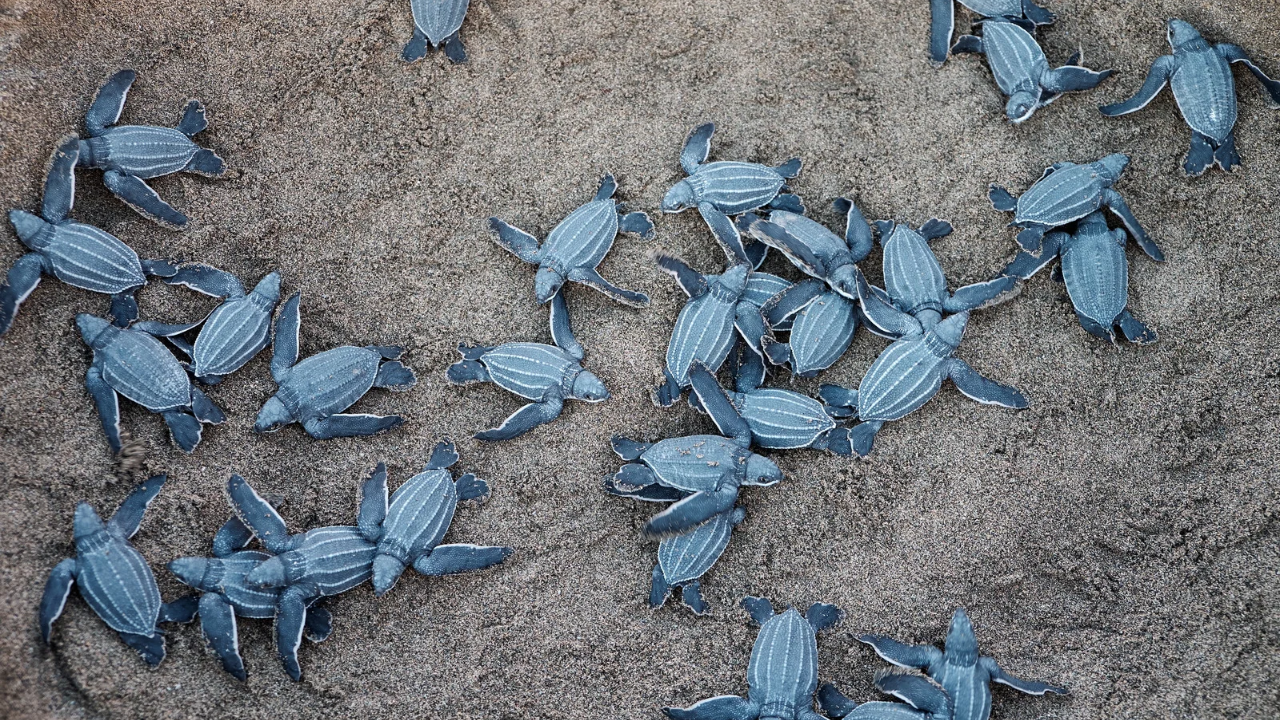
Scaling solitary animal rehabilitation to 680 juvenile chelonians within a single residential apartment exposes the exact operational bottlenecks of decentralized urban wildlife rescue. While standard human-interest coverage frames Lorri Cramer’s Manhattan intake surge as an eccentric act of personal devotion, analyzing the phenomenon through operations management, veterinary epidemiology, and urban ecology reveals a high-density biological triage system operating under severe spatial and regulatory constraints. When municipal infrastructure lacks dedicated capacity for non-game reptiles, individual rehabilitators absorb the systemic overflow, transforming domestic square footage into micro-quarantine facilities.
The Structural Drivers of Urban Chelonian Surges
A single-season intake of 680 hatchlings does not occur through random discovery; it is the predictable output of overlapping biological cycles and anthropogenic release patterns. Urban parks, retention ponds, and residential water features in New York City act as ecological sinks for both native species—such as painted turtles (Chrysemys picta) and common snapping turtles (Chelydra serpentina)—and invasive species, predominantly the red-eared slider (Trachemys scripta elegans).
Three distinct mechanisms converge during late spring and summer to create acute intake spikes:
- Synchronized Emergence and Nesting Disruption: Following winter brumation and spring oviposition, hatchlings emerge in concentrated cohorts. In fragmented urban habitats, turf management, pedestrian foot traffic, and storm drain infrastructure intercept hatchlings moving between nesting substrates and water bodies.
- The Pet Trade Abandonment Loop: Red-eared sliders are frequently purchased as hatchlings under four inches in carapace length—despite federal restrictions under 21 CFR 1240.62 prohibiting their sale for Salmonella containment—and subsequently abandoned in city waterways once owners confront their 30-year lifespan and 12-inch adult size. These abandoned adults establish breeding populations that outcompete native species for basking sites and forage.
- Confiscation and Emergency Interdiction: Law enforcement seizures of illegal street vendors, combined with proactive nest excavations from active construction zones, produce sudden batch arrivals. Unlike staggered wildlife admissions, a single confiscation event can dump dozens or hundreds of compromised neonates into the rehabilitation pipeline simultaneously.
Spatial Economics and Residential Containment Architecture
Operating a 680-animal facility inside a Manhattan apartment violates standard zoological space-allocation models, forcing extreme optimization of vertical volume and water-to-floor-area ratios. In commercial or institutional herpetoculture, aquatic turtles require roughly 10 gallons of water per inch of shell length to dilute nitrogenous waste and prevent agonistic stress. For 680 hatchlings averaging 1.5 inches, strict adherence to institutional volume standards would demand over 10,000 gallons of water—weighing roughly 83,000 pounds, well beyond the live-load structural limits of standard residential flooring.
To prevent structural failure and pathogen proliferation, high-density residential triage relies on shallow-water tub arrays and aggressive water-change schedules rather than deep, static filtration systems.
- Vertical Racking and Tub Modularity: Commercial shelving units maximize vertical cubic footage, holding shallow, food-grade polypropylene tubs. Shallow water depths (typically 2 to 4 inches for neonates) minimize drowning risks in debilitated hatchlings while reducing dead-weight floor loads per square foot.
- Biosecurity Partitioning: Batch intakes must remain strictly segregated by origin date and species to prevent cross-contamination. Introducing a single clutch carrying ranavirus or herpesvirus into a shared water system triggers catastrophic mortality across the entire cohort.
- Thermal and Photoperiod Regulation: Ectothermic metabolism is strictly temperature-dependent. Maintaining ambient room temperatures between 75°F and 80°F, supplemented by localized basking zones reaching 85°F to 90°F and UVB lighting arrays, prevents immune suppression and metabolic bone disease. In a residential setting, this shifts the primary utility burden from individual tank heaters to whole-room HVAC management and high-amperage circuit balancing.
The Biosecurity and Pathogen Load Equation
The primary operational risk in high-density juvenile turtle care is not starvation, but waterborne bacterial bloom and opportunistic infection. Hatchling turtles possess immature immune systems and produce concentrated ammonia and urea relative to their body mass, particularly when fed high-protein diets required for rapid early growth.
Without industrial-scale biological filtration, nitrogenous waste cycles rapidly through three stages:
- Ammonia Accumulation: Uneaten protein and fecal matter break down into unionized ammonia ($NH_3$), which damages gill-like pharyngeal tissues and ocular membranes even at concentrations below 0.5 parts per million.
- Bacterial Proliferation: Warm, nutrient-dense water accelerates the growth of Gram-negative bacteria, notably Aeromonas and Pseudomonas species. In stressed neonates, these opportunistic pathogens cause septicemic cutaneous ulcerative disease (SCUD), shell rot, and fatal pneumonia.
- Manual Water Exchange as Primary Filtration: When biological filters cannot keep pace with sudden intake surges, manual dumping and sanitizing of individual tubs becomes the sole effective control mechanism. At 680 animals distributed across 30 to 50 tubs, daily or twice-daily water exchanges require a repetitive manual labor loop measured in hours per day, turning the rehabilitator into a full-time hydraulic sanitation operator.
Diagnostic Triage and Stabilization Protocols
Incoming neonates arrive in radically divergent physiological states, requiring immediate sorting to allocate limited time and veterinary resources effectively. Applying uniform care across a 680-turtle cohort guarantees high attrition among compromised individuals.
Cohort Stratification
Upon admission, animals are separated into three operational tiers:
- Tier 1 (Acute Trauma and Dehydration): Hatchlings rescued from asphalt, storm drains, or lawnmower strikes exhibit desiccation, carapace fractures, or yolk-sac infections. These individuals require dry-docking on damp sterile substrates, subcutaneous fluid therapy, and topical antimicrobial treatment before they can safely enter aquatic setups.
- Tier 2 (Subclinical Weakness and Parasitism): Confiscated or late-emerging hatchlings often present with depleted yolk reserves, heavy gastrointestinal parasite loads, or early respiratory signs (listing asymmetrically in water, open-mouth breathing). They require elevated thermal gradients to stimulate immune response and targeted prophylactic deworming.
- Tier 3 (Vigorous Neonates): Uninjured hatchlings intercepted during normal dispersal need minimal intervention—brief hydration, nutritional loading, and rapid clearance for release or transfer.
Nutritional Economics and Feeding Logistics
Feeding 680 juvenile turtles requires precise caloric calibration to avoid both stunted growth and shell pyramiding caused by excessive dietary protein. Commercial floating hatchling pellets serve as the caloric baseline because they allow rapid visual monitoring of consumption and minimize water fouling compared to raw meats. Supplementing with calcium-rich invertebrate prey and aquatic vegetation ensures proper calcium-to-phosphorus ratios (ideally 2:1) essential for ossification of the plastron and carapace. Feeding must occur in timed windows, followed immediately by debris removal, to prevent leftover feed from crashing dissolved oxygen levels.
Regulatory Friction and the Invasive Species Bottleneck
The central strategic failure in urban turtle rehabilitation is not intake capacity, but disposition bottlenecks. Under New York State Department of Environmental Conservation (NYSDEC) regulations, licensed wildlife rehabilitators are legally mandated to return native wildlife to the wild once rehabilitated, while strictly prohibited from releasing non-native, invasive species back into state ecosystems.
This regulatory divide creates an acute operational asymmetry:
- Native Species Outflow: Rehabilitated painted, snapping, and musk turtles can be released into verified, ecologically intact habitats once they reach sufficient size and seasonal temperatures permit survival. Their stay in the residential facility is finite—measured in weeks or months.
- The Red-Eared Slider Trap: Because red-eared sliders are classified as invasive competitors that vector pathogens to native populations, they cannot be legally released into New York waterways. Simultaneously, municipal shelters lack aquatic reptile housing, and private adoption demand is structurally saturated. Every red-eared slider admitted into a rehabilitation pipeline becomes a permanent liability—requiring either long-term sanctuary placement, out-of-state transport to native ranges (which carries its own genetic pollution and disease risks), or humane euthanasia.
When an intake surge of 680 turtles contains a high percentage of non-native sliders, the rehabilitator's apartment ceases to function as a temporary triage center and degrades into an indefinite holding facility. This permanently consumes square footage and labor capacity needed for subsequent seasonal emergencies.
Limitations of Decentralized Residential Rehabilitation
Relying on individual passion and private living spaces to manage municipal wildlife overflows is an inherently fragile model with clear structural failure points.
- Single-Point-of-Failure Risk: When an entire 680-animal operation depends on one individual's physical stamina, personal income, and residential lease stability, any medical emergency, landlord dispute, or utility outage threatens the survival of the entire population.
- Compromised Quarantine Standards: True zoological quarantine requires separate air-handling systems, dedicated footwear/garment protocols, and impermeable surfaces. Domestic apartments—with drywall, wood flooring, and shared ventilation—cannot prevent aerosolized or fomite transmission of virulent pathogens across rooms.
- Uncompensated Externalities: Private rehabilitators absorb massive out-of-pocket expenses for specialized lighting, veterinary pharmaceuticals, water conditioning, and electricity, effectively subsidizing municipal environmental management without institutional funding or liability protection.
Strategic Framework for Municipal and Institutional Reform
To prevent individual apartments from becoming ad-hoc intensive care units during seasonal wildlife surges, wildlife agencies, veterinary networks, and municipal parks departments must restructure the intake-to-disposition pipeline.
- Establish Seasonal Surge Hubs: Municipal parks departments and veterinary schools should pre-designate climate-controlled, waterproof utility spaces (such as park field houses or unused basement facilities) equipped with floor drains and commercial utility sinks to act as overflow triage centers between May and September.
- Enforce Upstream Point-of-Sale Interdiction: State agricultural and wildlife authorities must shift enforcement resources from reactive confiscation of street vendors to upstream supply-chain audits of regional turtle farms and wholesale distributors shipping undersized chelonians into metropolitan hubs.
- Implement Triage Euthanasia Guidelines for Invasives: Wildlife licensing bodies must establish clear, standardized protocols authorizing and supporting immediate humane euthanasia for unadoptable, compromised invasive species at intake, preserving scarce rehabilitation space, financial capital, and caregiver labor exclusively for recoverable native species.
- Create Distributed Foster Networks: Rather than concentrating 680 animals under one roof, licensed master rehabilitators should operate as diagnostic hubs—performing initial medical triage and stabilization before distributing Tier 3 cohorts across a vetted network of trained residential foster volunteers equipped with standardized 20-gallon containment kits.