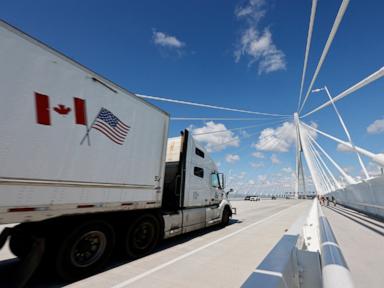
Every two years, pundits crawl out of the woodwork to recycle the exact same lazy storyline. They look at a minor customs dispute or a localized tariff spat between Washington and Ottawa and immediately spin a cinematic yarn about a full-scale US-Canada trade war shaking up midterm elections in key states. It is a neat, tidy narrative for lazy television segments. It is also completely detached from reality.
I have spent the last fifteen years sitting across the table from trade attorneys, supply chain directors, and congressional staffers who actually write the rules. I have watched corporations burn millions trying to hedge against fake geopolitical threats while missing the structural realities happening right under their noses.
The conventional wisdom claims that rust-belt voters in Michigan, Ohio, or Pennsylvania are sitting around kitchen tables sweating over softwood lumber quotas or dairy pricing parity. They are not. If you walk into a union hall in Toledo or a logistics hub in Buffalo, nobody is casting a ballot based on a cross-border dispute over aluminum tariffs. They care about inflation, grocery bills, and whether their local manufacturing plant is moving machinery to Mexico.
The mainstream press treats international trade like a spectator sport with clear winners and losers, national pride on the line, and immediate electoral consequences. Actual commerce does not work that way.
The Anatomy of a Non-Event
Let us dismantle the core premise. A trade war requires two economies actively trying to inflict systemic economic pain on one another to achieve a domestic political or geopolitical concession. What happens between the United States and Canada bears zero resemblance to this definition.
Economically, the US and Canada do not compete in a zero-sum game; they co-produce. When a car rolls off an assembly line in Ontario, parts have crossed the border half a dozen times. Raw steel goes north, stamped panels come south, electronics go back up, and the finished vehicle lands in a dealership in Ohio.
Politicians know this. Trade protectionism sounds fantastic at a podium in front of flashing cameras, but the second a senator tries to enact punitive measures that choke off their own state's auto parts suppliers, local chambers of commerce descend on Capitol Hill with pitchforks.
The biggest lie in modern political commentary is that trade rhetoric equals legislative action. Rhetoric costs nothing. Disrupted supply chains cost elections.
Imagine a scenario where a total trade blockade or severe retaliatory tariffs actually took root. Within seventy-two hours, assembly lines from Windsor to Tennessee would grind to a halt because neither nation maintains domestic redundancy for specialized manufacturing inputs. Lawmakers understand this vulnerability intimately. That is why actual cross-border trade policy remains remarkably stable, boring, and insulated from electoral theater.
Why Midterm States Do Not Care About Ottawa
The obsession with how Canadian trade policy influences US midterms relies on a fundamental misunderstanding of geographic voting behavior. Elections are hyper-local. A voter in Macomb County cares about the potholes on M-59 and the local property tax rate. They do not trace their paycheck to a bilateral trade agreement negotiated under the United States-Mexico-Canada Agreement framework.
When analysts claim that a tariff on Canadian energy imports will swing a senate race in Montana or a house seat in Minnesota, they are projecting DC anxieties onto Main Street.
Let us look at the actual data. Trade disputes typically touch specific, highly concentrated sectors: lumber, dairy, steel, and specific agricultural goods. These sectors employ a microscopic fraction of the American workforce. Even in states heavily tied to agriculture, federal subsidies and global commodity pricing swamp the minor friction caused by cross-border tariffs.
- The Lumber Myth: Softwood lumber disputes have dragged on for decades. Has a single congressional election ever turned on the price of two-by-fours at Home Depot? No. Consumers grumble about inflation, not international arbitration panels.
- The Energy Reality: The upper Midwest relies heavily on Canadian crude and electricity. If politicians actually weaponized that trade, energy prices would spike instantly, handing the opposing party an immediate electoral gift. Rational actors on both sides keep the lights on and ignore the noise.
The Real Agenda Behind the Noise
If trade wars are not swaying elections, why do politicians and media outlets keep screaming about them?
Because outrage drives clicks and protectionist soundbites buy cheap labor endorsements.
Special interest groups fund targeted lobbying campaigns to paint routine regulatory disagreements as existential national crises. A domestic steel manufacturer does not want Canadian competition, so they pressure local representatives to wave the flag and shout about unfair trade practices. The representative gets a campaign contribution and a headline; the trade relationship remains functionally unchanged.
I have watched this theater play out behind closed doors. Lobbyists draft the outraged press releases, hand them to junior staffers, and watch the cable news networks lap them up without a single fact-check.
The real danger is not that a trade war will upend the midterms. The danger is that voters waste cognitive energy worrying about a manufactured crisis while ignoring the systemic domestic failures actually eroding their purchasing power.
Stop looking north for an explanation of American political volatility. Look at monetary policy. Look at corporate consolidation. Look at housing supply constraints and chronic underinvestment in domestic workforce training.
Canada is not stealing your state's future.
Stop buying the script.