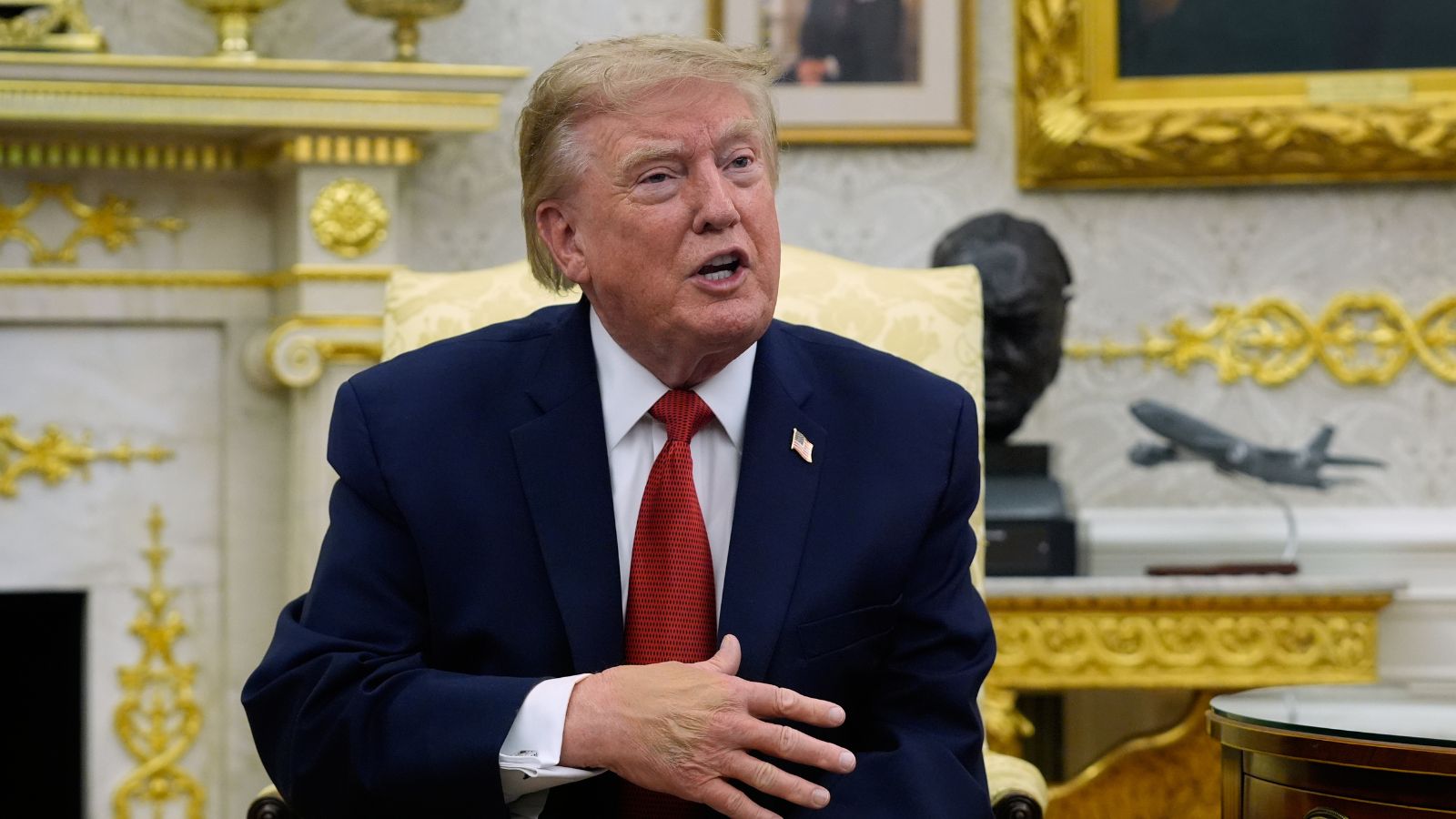
The sixty-day clock ran out, and nobody is surprised. President Donald Trump made it clear in Washington that Tehran refuses to accept the terms required to bridge the massive gap between the two nations. When the interim memorandum of understanding hatched back in June hit its final expiration point, it didn't just quietly lapse. It slammed into a wall of mutual hostility, failed blockades, and a locked-down Strait of Hormuz that continues to choke global energy markets.
If you're wondering why this fragile diplomatic experiment imploded so fast, you have to look past the political posturing. The agreement was broken long before the calendar reached its final day. Recently making headlines recently: Where the Mountains Meet the Soil.
The Anatomy of a Failed Ceasefire
The arrangement signed in June promised a clean slate. Washington agreed to ease its naval pressure, while Iran promised safe, toll-free commercial navigation through the vital Strait of Hormuz. That pact lasted about a week. Iranian forces began targeting vessels navigating alternative corridors near Oman, prompting immediate retaliatory strikes from the U.S. military.
By July, Trump declared the framework dead. Yet, the official sixty-day timeline lingered on paper, giving analysts something to track while actual negotiations remained completely frozen. More information regarding the matter are explored by Associated Press.
Truth is, both sides wanted fundamentally incompatible outcomes. Trump insists that blocking a nuclear weapon is the primary objective, claiming that Iran's economy is buckling under massive inflation and intense pressure. Tehran sees things differently. Iranian leadership views the American naval presence as an act of economic warfare, demanding full concessions, compensation, and withdrawal before serious talks resume.
The Chokepoint Problem
You cannot talk about this stalemate without looking at the water. Before the conflict erupted, roughly twenty percent of the world's oil and gas flowed right through the Strait of Hormuz. Today, traffic through that corridor has plummeted to a trickle.
Trump recently floated the idea of formally declaring the waterway a U.S. territory, pointing to total naval dominance as proof of control. Tankers are still avoiding the area, shipping insurance rates are absurdly high, and Brent crude prices keep reacting violently to every diplomatic headline.
Iran isn't backing down either. Working on separate arrangements with regional neighbors like Oman, Tehran tried to position itself as the gatekeeper of the strait, attempting to extract high fees for passage. Washington responded with blunt warnings against any regional deals that bypass American interests.
What Happens Next on the Ground
Right now, we are stuck in a dangerous limbo. It's not all-out war, but it's lightyears away from peace.
The U.S. military is maintaining its port blockades, trying to starve Iran's economy into total submission. Meanwhile, defense analysts point out a glaring problem on the American side: missile interceptors and advanced weapon stockpiles are running thin after months of sustained operations. Escalating this fight risks draining the Pentagon's reserves even further while triggering another shockwave at domestic gas pumps.
Iran is betting that domestic political pressure and military fatigue will force Washington to blink first. Trump is betting that economic ruin and total isolation will force Tehran to wave a white flag.
Keep a close eye on shipping data coming out of the Persian Gulf rather than diplomatic press releases. That tells the real story of whether this standoff is escalating or cooling down.
US-Iran war: 60-day peace deal deadline expires as Strait of Hormuz remains uncertain
This video provides a concise breakdown of how the sixty-day diplomatic window closed and why the ongoing conflict in the Strait of Hormuz remains unresolved.