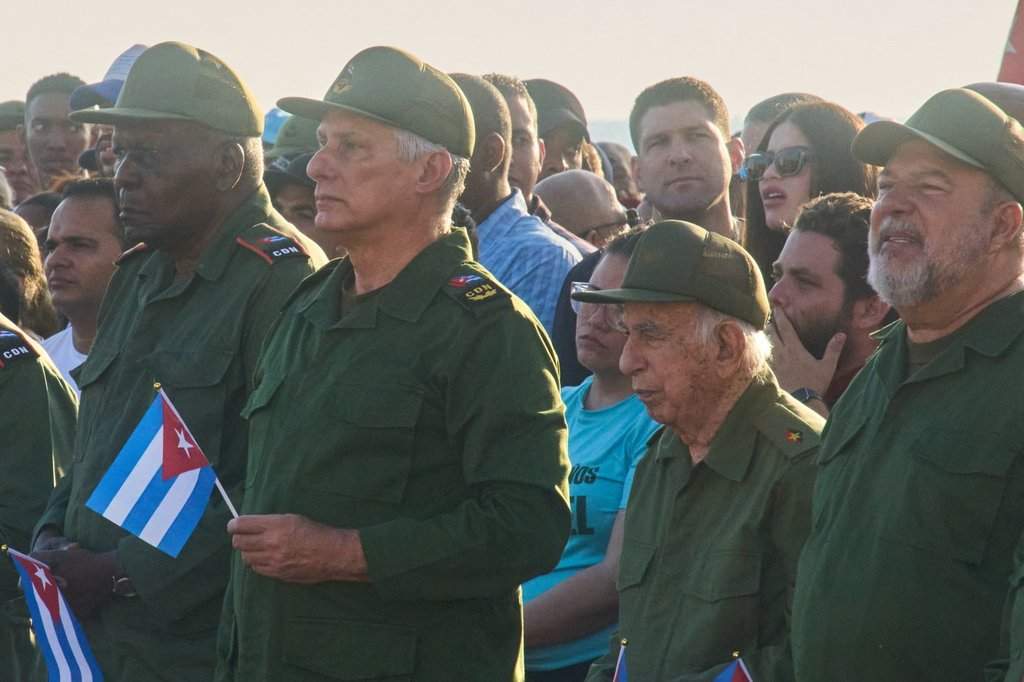
The United States just took its biggest swing at Havana in years. By putting Cuba's President Miguel Díaz-Canel on the Specially Designated Nationals list, the U.S. Treasury Department isn't just squeezing an economy anymore. It's targeting the actual faces running the island.
If you think this is just another standard bureaucratic move, think again. The Treasury didn't stop at the president. They went after his wife, Lis Cuesta Peraza, his stepson, Manuel Anido Cuesta, and Alejandro Castro Espín—the only son of former leader Raúl Castro. This hits the core of the ruling elite. It freezes their assets under U.S. jurisdiction and blocks global entities from doing business with them. But let's be honest about the ground reality. These leaders don't exactly keep checking accounts at Chase or Bank of America. The true value here isn't the frozen cash. It's the total diplomatic and economic isolation.
The Reality Behind the New Cuba Restrictions
Washington is intentionally tightening the vise on Havana. The timing tells you everything you need to know. The administration already slapped criminal charges on Raúl Castro. They forced Venezuela's Nicolás Maduro out of power. Then came an energy blockade that choked off fuel shipments to Cuba.
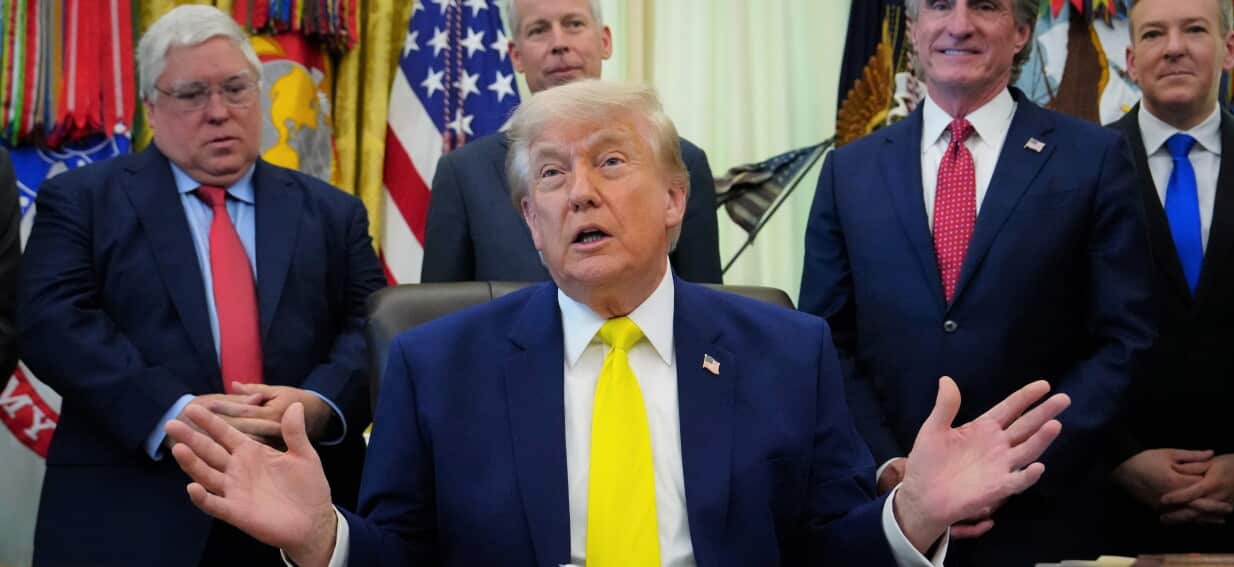
The strategy is loud and clear. The White House wants regime change or a total economic rewrite. President Trump openly talked about a "friendly takeover" if Cuba doesn't open up to American capital and boot out U.S. adversaries like Russia and China. When reporters asked if these penalties are designed to force a total collapse, the official line was a soft "no." The administration claims it just wants a country that can feed its people. But in the same breath, officials point out that Cuba has beautiful land that could hold stunning resorts. They see a broken system ripe for conversion.
The target list stretches far beyond the president’s living room. The Treasury blacklisted major state arms.
- MINFAR: The Ministry of the Revolutionary Armed Forces.
- The Committees for the Defense of the Revolution: The massive neighborhood surveillance network that logs "counter-revolutionary" behavior.
- ICAP: The Cuban Institute of Friendship with the Peoples, plus its travel wing, Amistur Cuba SA.
- Minera La Victoria SA: A state-backed mining venture.
This cuts deep into the military-run businesses that actually keep the Cuban government solvent.
What This Means for Everyday Cubans
The economic situation in Cuba isn't just bad. It's apocalyptic. Under Díaz-Canel, the island rolled right into its worst energy and economic crisis since the collapse of the Soviet Union. Walk through Havana today and you will find severe blackouts that last for days, empty grocery store shelves, and zero fuel.
Díaz-Canel went to X to blast the new penalties. He called them a sign of "political blindness" and blamed Washington for trying to break the Cuban spirit. He promised that the country would resist the imperial onslaught. But fiery speeches don't keep the lights on or put food on the table. The island is starving. While the U.S. says these measures target corrupt leaders, the immediate pain lands squarely on regular citizens who can't get basic medicine or milk for their kids.
Secretary of State Marco Rubio isn't backing down. He argues that Havana runs a continuous campaign of ideological warfare against America. From his viewpoint, these sanctions are a necessary hammer to shatter the financial networks funding radical movements globally. Rubio remains highly skeptical that diplomacy can fix this relationship. The administration wants a total restructuring, and they're using extreme leverage to get it.
The Broader Pattern of Washington Direct Hits
Targeting a sitting head of state is a drastic diplomatic step, but it follows a specific American playbook. We saw it with Omar Bashir in Sudan. We saw it with Robert Mugabe in Zimbabwe. More recently, the U.S. used the exact same weapon against Nicolás Maduro in Venezuela.
The goal is to turn these leaders into global pariahs. By banning non-American companies from interacting with Díaz-Canel and his family, the U.S. effectively forces foreign banks and logistics corporations to choose between doing business with a bankrupt Caribbean island or maintaining access to the massive U.S. financial system. For global corporations, that's an incredibly easy choice. Havana gets cut off from international banking loops, making simple state purchases of food, fuel, and medical supplies nearly impossible.
It's a high-stakes gamble. The theory is that maximum pressure will force the military or internal factions to fracture the government from within. The risk is that a total collapse could trigger a massive humanitarian disaster right off the coast of Florida, sparking an unprecedented migration wave that Washington isn't prepared to handle.
If you are trying to navigate these shifting geopolitical dynamics, monitor the shipping registries and Caribbean energy supply lines. Track the compliance updates from the Office of Foreign Assets Control. Companies operating anywhere in the Caribbean basin must instantly audit their logistics chains to ensure zero connection with MINFAR or Amistur. The regulatory fines for slip-ups will be massive. Expect Havana to lean even harder on underground shipping networks and black-market fuel swaps to survive the coming months.