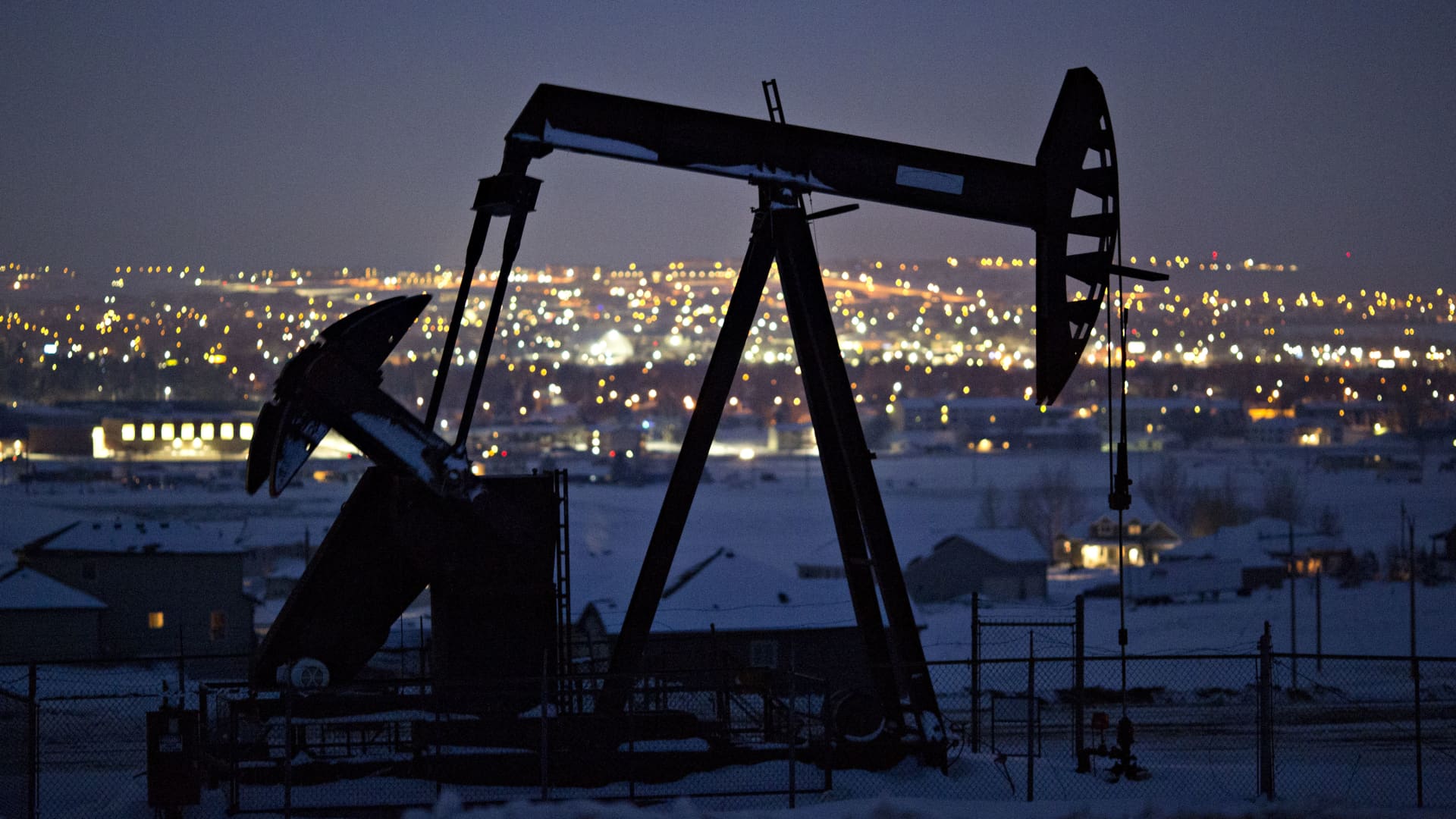
The era of the "drill, baby, drill" mantra is dead, and frankly, it's about time. If you’re looking for the old boom-and-bust cycle where American oil executives threw every spare cent at a new rig the moment prices ticked upward, you’re going to be disappointed. Today’s US shale oil producers are playing a different game entirely. They’ve traded the adrenaline rush of chasing market share for the quiet satisfaction of a healthy balance sheet.
Investors used to reward growth at any cost. Now? They’ll crucify a CEO who prioritizes volume over value. This shift isn't just a phase or a temporary reaction to high interest rates. It’s a fundamental rewiring of how the American energy sector functions. Producers have realized that staying disciplined when prices spike is the only way to survive the long-term volatility of global energy markets.
The hard lesson of the 2014 crash
To understand why US shale oil producers are staying disciplined now, you have to look back at the carnage of 2014 and 2020. I remember the vibe in the Permian Basin during those years. It was frantic. Companies were outspending their cash flow, racking up massive debts to unlock unconventional reservoirs. They assumed the party would never end. When Saudi Arabia opened the taps to reclaim market share, the American shale industry didn't just stumble—it imploded.
Hundreds of bankruptcies followed. Billions in investor capital evaporated. The message from Wall Street became clear: we don't care how many barrels you pump if you can't show us a profit. This historical trauma is the primary reason why today’s executives are so hesitant to ramp up production, even when Brent crude flirts with $90 or $100. They've seen this movie before. They know how it ends.
Wall Street is the new OPEC
OPEC used to be the only force capable of keeping a lid on global supply. These days, the most powerful regulator of American oil production isn't a cartel in Vienna—it's a handful of asset managers in New York and London. Shareholders are demanding "capital discipline." This is code for "give us our money back."
Instead of reinvesting 100% of their cash flow back into the ground, companies like Pioneer Natural Resources (now part of ExxonMobil) and Diamondback Energy are funneling that cash into dividends and stock buybacks. They’re focusing on "free cash flow," a metric that was almost ignored during the shale revolution's early days. By keeping production flat or growing at a measly 2% to 3%, they ensure that the market stays tight and their margins stay fat.
It’s a smart move. When you increase supply too fast, you're essentially your own worst enemy. You drive down the price of the very product you're trying to sell. By holding back, US shale oil producers are protecting their own floor.
Efficiency is the new growth
You might think that flat production means the industry is stagnating. It’s actually the opposite. Shale companies are getting scarily efficient at what they do. They’re drilling longer "laterals"—the horizontal part of the well—stretching them out to three miles or more. They’re using automated rigs and sophisticated data analytics to shave days off the drilling process.
This means they can maintain the same production levels with fewer rigs. It’s about doing more with less.
- Longer laterals: One well can now do the work of three wells from a decade ago.
- Fracking technology: Modern "zipper fracs" allow for simultaneous operations, cutting down on idle time.
- Labor costs: By not rushing to hire thousands of new workers during every price spike, companies avoid the massive wage inflation that usually eats their profits.
This efficiency creates a "lower break-even" price. Many Permian producers can now turn a profit even if oil drops to $40 or $50. By not chasing $90 oil, they're ensuring they stay lean enough to survive $40 oil.
The looming threat of the energy transition
There’s a giant elephant in the room that no oil executive can ignore: the long-term decline of fossil fuel demand. Whether it happens in ten years or thirty, the transition to electric vehicles and renewable energy is underway. This reality changes the math for long-term investments.
If you’re a shale producer, why would you sink billions into a massive new project that takes five years to pay off when you don't know what the demand for oil will look like in 2035? You wouldn't. You’d focus on "short-cycle" assets—wells that you can drill and drain quickly to get your money back as fast as possible.
The strategy is clear. Harvest the cash while the sun is shining. Don't build new haystacks that might rot before you can use them. This isn't just being "wise"; it's being realistic about the shelf life of the industry.
Why this discipline is actually good for the economy
A lot of people complain that oil companies aren't drilling enough, blaming them for high gas prices. But consider the alternative. If the US shale industry went back to its old ways, we'd have another massive glut followed by another massive crash. That kind of instability is terrible for the broader economy.
A stable, profitable energy sector is a better partner for the US economy than a chaotic one. These companies are now paying taxes, hiring steady workforces, and providing reliable returns to pension funds. They’ve grown up. They’re no longer the reckless teenagers of the energy world; they’re the boring, responsible adults. And honestly? Boring is better for your 401(k).
Inventory exhaustion is real
There's a technical reason for this restraint that doesn't get enough play in the headlines: the best spots are already taken. In the industry, we call it "Tier 1 acreage." For years, companies cherry-picked the absolute best locations in the Delaware and Midland basins.
As those prime spots get drilled out, companies have to move to "Tier 2" or "Tier 3" land. These areas are less productive and more expensive to develop. If producers tried to grow at 10% a year right now, they'd burn through their remaining high-quality inventory in a heartbeat. By slowing down, they’re extending the life of their best assets. It’s a conservation strategy as much as a financial one.
Don't expect a U-turn
If you’re waiting for a sudden surge in American oil production to save the day next time prices hit triple digits, don't hold your breath. The structural changes in the industry are too deep. The pressure from investors is too strong. And the memory of the last crash is still too fresh.
US shale oil producers have finally learned that the biggest temptation isn't the high price itself—it's the ego-driven desire to be the biggest producer on the block. They've traded that ego for a steady stream of cash. It might not make for exciting headlines, but it makes for a much more resilient industry.
The next time you see oil prices spike, look at the rig count. If it stays relatively flat, know that the industry is doing exactly what it's supposed to do: prioritizing its survival over a fleeting windfall.
Stop watching the daily price tickers and start looking at the quarterly cash flow statements. That’s where the real story of the American energy sector is being written today. If you're an investor, look for the companies with the lowest debt-to-equity ratios and the highest dividend yields. Those are the ones winning the long game. If you're a policy observer, realize that the "energy independence" of the future won't be won by raw volume, but by the financial stability of the companies pulling the oil out of the ground.