The U.S. Navy just sent a massive signal to Tehran. Moving the USS George H. W. Bush (CVN 77) toward the Persian Gulf isn't just a routine patrol. It's a high-stakes chess move in a region that's currently a powderkeg. When a 100,000-ton nuclear-powered carrier starts steaming toward your coastline, the message is clear. Washington is done with subtle hints.
The Pentagon is reacting to a sharp spike in regional instability. Specifically, it's about the increasing boldness of Iranian-backed groups. We've seen drones hitting bases in Syria and harassment of commercial shipping in the Strait of Hormuz. By positioning the Bush and its strike group within striking distance, the U.S. is trying to put a lid on the simmering tension before it boils over into a full-scale shooting war.
Understanding the Power of a Carrier Strike Group
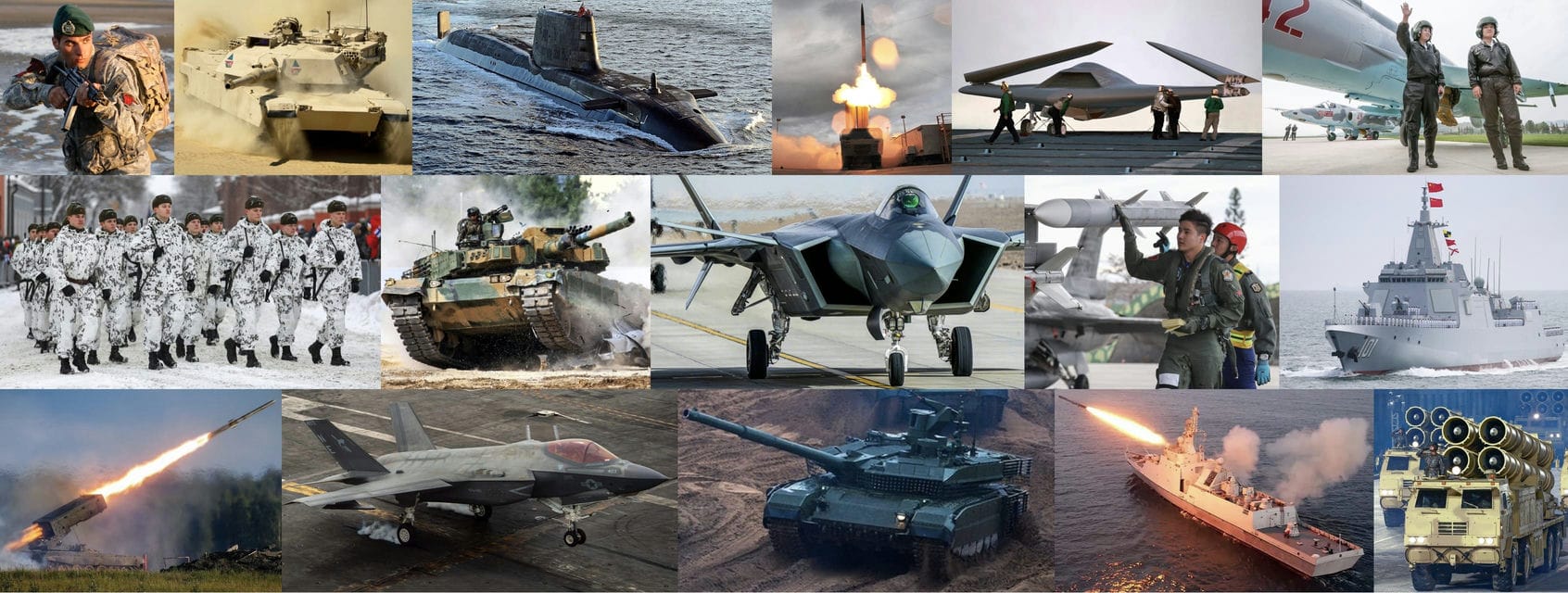
A lot of people think an aircraft carrier is just a floating runway. It’s way more than that. The USS George H. W. Bush carries Carrier Air Wing 7, which basically means it packs about 60 to 90 aircraft. We're talking F/A-18 Super Hornets, E-2D Hawkeyes for surveillance, and electronic warfare planes.
But look at the ships around it. A strike group usually includes a guided-missile cruiser and several destroyers. These ships are loaded with Tomahawk cruise missiles. They can hit targets hundreds of miles inland with terrifying precision. When this group shows up, it changes the local military balance instantly.
Iran knows this. They’ve spent years developing "swarm" tactics with small speedboats and land-based anti-ship missiles to counter this kind of power. But there is a massive difference between posturing in a military drill and facing a combat-ready U.S. strike group. The Bush isn't there to play games. It's there to provide what military planners call "combat credible deterrence."
Why Iran is Pushing the Envelope
You have to ask why things are heating up now. It’s not a coincidence. Iran is feeling the squeeze from sanctions and is looking for ways to gain leverage. They often use "gray zone" tactics—actions that are aggressive but fall just short of provoking an all-out war.
- Proxy Attacks: Using groups in Iraq and Syria to launch rockets at U.S. personnel.
- Maritime Harassment: Trying to seize tankers to disrupt global oil flow.
- Nuclear Posturing: Increasing uranium enrichment to freak out the West.
The deployment of the USS George H. W. Bush is a direct counter to this "gray zone" strategy. It tells Tehran that the cost of these small-scale provocations might suddenly get very expensive. If a proxy group kills a U.S. service member, the President now has a massive "reset" button floating just off the coast.
The Logistics of Intimidation
The Bush is one of the most advanced ships in the fleet. It’s a Nimitz-class carrier, which means it can operate for 20 years without refueling. It stays out at sea for months, supported by a massive logistics tail of supply ships. This endurance is what makes it such a potent tool. It doesn't need permission from a foreign government to use a land-based airfield. It is a sovereign piece of American territory that moves wherever it's needed.
I’ve seen how these deployments work. The crew works 18-hour days in a high-pressure environment. Launching a jet every few minutes requires perfect synchronization. It’s a mechanical ballet. This level of readiness is what the U.S. relies on to keep the peace. Or, if necessary, to win a fight quickly.
The Risks of Miscalculation
The biggest danger here isn't a planned war. It's a mistake. When you have two hostile militaries operating in close quarters, things can go south fast. A nervous radar operator or a pilot who gets too close to an Iranian fast boat can trigger a chain reaction.
History is full of these moments. In 1988, the U.S. and Iran fought a one-day naval battle called Operation Praying Mantis after a U.S. ship hit a mine. The Navy sank a significant portion of Iran's fleet in hours. Both sides remember that. The U.S. wants to remind Iran of that capability, while Iran wants to show they won't be bullied. It’s a delicate dance on the edge of a knife.
What This Means for Global Stability
This isn't just about the Middle East. Every time the U.S. moves a carrier, the whole world watches. China looks at how the U.S. handles Iran to gauge how it might handle a conflict in the South China Sea. Russia looks at it to see if the U.S. is too distracted to focus on Ukraine.
Maintaining this presence is incredibly expensive. It costs millions of dollars a day to keep a strike group operational. Critics often argue that this "forever presence" is a relic of the Cold War. But the reality is that without these ships, the vacuum would be filled by much more chaotic forces. The Strait of Hormuz is a choke point for about 20% of the world's oil. If that closes, your gas prices don't just go up—the global economy breaks.
Reality Check on the Ground
Don't expect the Bush to start launching strikes tomorrow. That’s not the goal. The goal is to make the other guy think twice. It’s about psychological dominance. By being there, the Navy limits Iran's options. It forces their military leaders to account for a massive threat that wasn't there last week.
We should also keep an eye on the diplomatic side. Often, these military moves happen right alongside back-channel talks. The carrier provides the "stick" while diplomats offer the "carrot." It's old-school realpolitik. It’s messy, it’s dangerous, and it’s how the world actually works.
If you’re tracking this situation, watch the flight patterns of the carrier’s air wing. When the Hawkeyes start flying 24/7 orbits, you know the tension is peaking. Watch the destroyers. If they start moving closer to the coast, the Navy is clearing the decks for potential action. Stay informed by following official Navy press releases and maritime tracking data. The next few weeks will determine if this deployment successfully de-escalates the region or if we're heading toward a long summer of conflict. Keep your eyes on the Gulf.