The marketing internet had a collective meltdown over a name change.
When Vaseline quietly swapped its display name to "Baseline" on Instagram, commentary columns rushed to publish the same predictable analysis: It is a desperate ploy for Gen Z relevance. It is a viral gimmick. It is a temporary stunt to grab cheap impressions.
They are dead wrong.
What most branding commentary fails to grasp is that Vaseline did not change its name to be edgy. They changed it because petroleum jelly faces a fundamental brand perception crisis that no traditional ad campaign can fix.
Calling it a "gimmick" misses the strategic brilliance—and the quiet desperation—of modern fast-moving consumer goods.
Here is what actually happened behind closed doors, why the traditional playbook fails, and why your brand is probably making the exact opposite mistake.
The Real Problem Isn't Relevance, It's Utility Capture
I have advised corporate brand teams through identity shifts for over a decade. When an legacy brand with over a century of equity alters its core moniker on a primary digital channel, boardrooms do not do it for "clout."
They do it because the product has been commoditized by its own success.
Vaseline suffers from a classic positioning dilemma: Genericization without premium intent.
Everyone has a tub of 100% pure petroleum jelly in their medicine cabinet. It costs $4. It lasts three years. That is a nightmare financial model for continuous growth.
Over the past few years, the skincare industry built a multi-billion-dollar market around a single concept: restoring the skin barrier. Skincare enthusiasts began talking about skin barrier health as the absolute foundation—the baseline—of any routine.
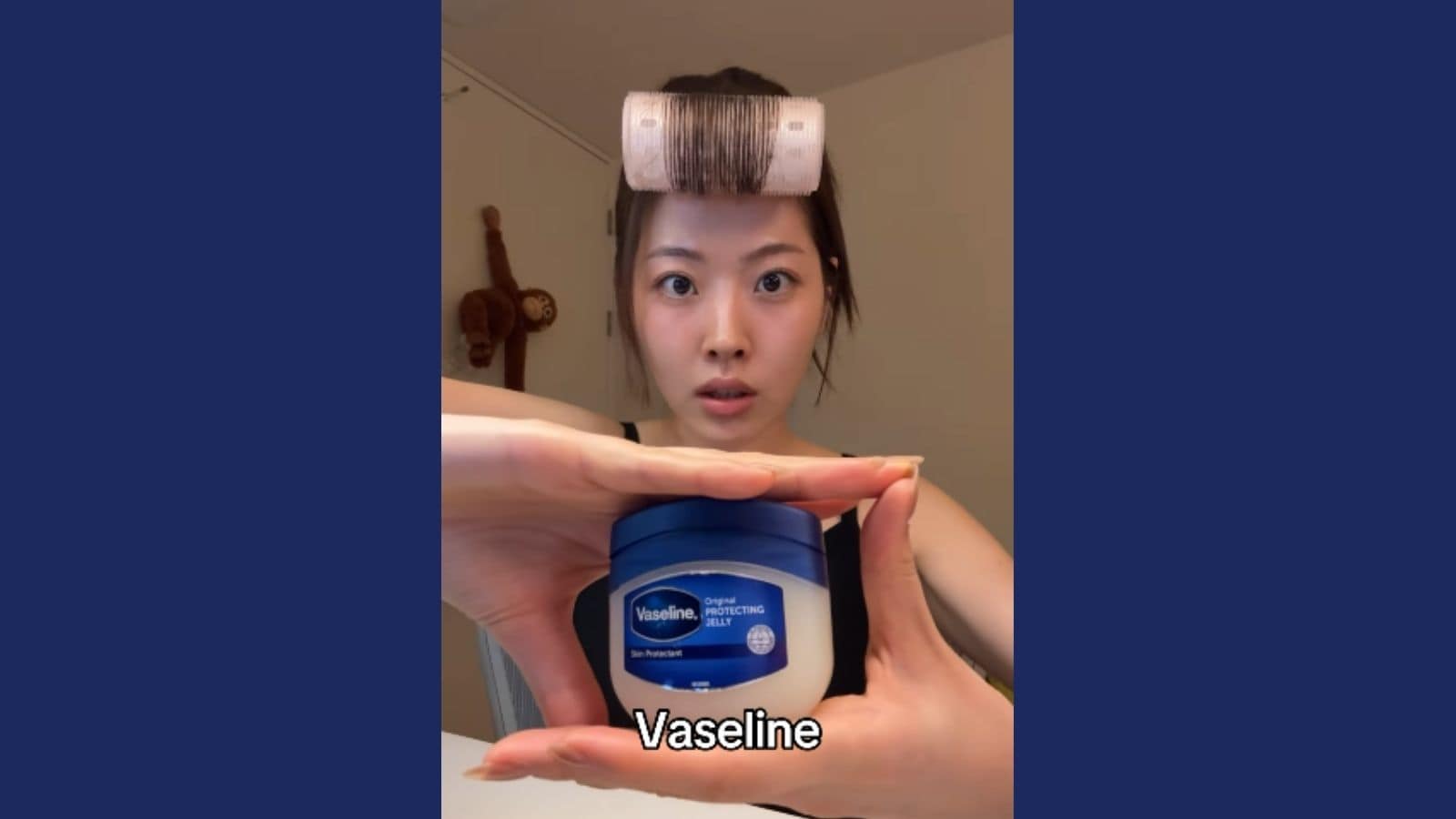
Then came "slugging"—the viral trend of coating one's face in petroleum jelly overnight to lock in moisture.
Notice what happened? Consumers were using a century-old $4 product to achieve the exact same results as a $90 barrier-repair cream. But in the consumer's mind, Vaseline was still the sticky stuff their grandmother put on scraped knees, while new direct-to-consumer brands were packaging basic occlusives as minimalist "barrier essentials."
The name change to "Baseline" is not a joke. It is a repositioning play to recapture product utility.
- Old positioning: An emergency salve for chapped skin and minor cuts.
- New positioning: The non-negotiable step zero of modern dermatological hygiene.
By shifting the narrative from a reactive remedy to a proactive "baseline," Unilever is trying to change how frequently you open that tub. If it is an emergency ointment, you use it twice a winter. If it is your skincare baseline, you use it twice a day.
The Lazy Consensus on Viral Branding
The standard industry reaction was to evaluate this move through the lens of short-term social media metrics. Marketing analysts love to talk about engagement spikes, impressions, and viral reach.
That perspective is shallow.
Viral spikes are cheap. You can run a shock-value ad campaign and get ten million views by tomorrow morning. But viral attention without structural habit change is just burned capital.
The consensus view claims that legacy brands risk destroying brand equity when they mess with iconic identifiers. "Why confuse your core customer base?" critics ask. "Why throw away 150 years of brand recognition for an Instagram bit?"
Here is the flaw in that logic: The core customer base—the older demographics who buy Vaseline out of pure habit—is not making purchasing decisions based on an Instagram display name. They do not care. They will buy the blue-capped tub at the drugstore regardless.
The target audience for this shift is the consumer who views petroleum jelly as outdated, heavy, or pore-clogging.
By strategically modifying the digital identity where that specific demographic hangs out, the brand isolates its repositioning test to the exact cohort it needs to win over. It is low-risk, high-reward segment targeting disguised as a casual social update.
Imagine a scenario where a legacy automotive maker wants to sell electric vehicles to 22-year-olds without alienating the 55-year-olds buying their gas-powered trucks. You do not change the badge on the showroom floor; you change the experience on the digital storefront where the younger cohort lives.
The Dark Side of Tactical Renaming
While this repositioning play is strategically sound, it carries genuine risk that most brand managers ignore.
Repositioning via micro-rebranding works only if the product experience matches the new promise.
If you tell consumers that your product is the minimalist "baseline" of modern skincare, but the packaging remains an unergonomic, messy tub that gets oily dust stuck to the rim, the illusion breaks immediately.
Modern skincare consumers pay premium prices for product delivery systems—airless pumps, sleek droppers, aesthetically pleasing bathroom counters.
Vaseline cannot simply change its handle and expect to compete with clinical skincare lines without fixing three core friction points:
- Textural Perception: The physical feel of pure petroleum jelly remains polarizing. No amount of minimalist naming changes the fact that it leaves grease on pillowcases.
- Packaging Friction: Dipping fingers into a open jar runs counter to the hygienic standards promoted by modern dermatological trends.
- Ingredient Stigma: A vocal segment of the clean-beauty market remains skeptical of mineral oil derivatives, regardless of clinical safety data proving their non-comedogenic properties.
If the brand relies entirely on digital nameplay without executing physical product innovation, the tactic degrades from strategic positioning into actual gimmickry.
Changing your identity on social platforms creates curiosity, but product design determines retention.
Stop Chasing Trends and Start Reclaiming Your Category
Most brand managers look at campaigns like this and copy the wrong execution. They see a legacy brand changing its name on social media, and they immediately pitch their executive team on a self-referential stunt.
That is how brands die of self-indulgence.
If you run a product or marketing team, the takeaway here is not "rename your brand on Instagram for free press." The takeaway is to identify where your category's modern utility has drifted away from your legacy positioning.
Ask yourself these uncomfortable questions:
- Is your product being used for high-value use cases while priced and perceived as a low-value commodity?
- Have your customers invented new terminology for the problem you solve while you are still using 1990s product descriptors?
- Are you protecting "brand equity" that actually represents consumer apathy?
Vaseline did not change to Baseline because they wanted to be trendy. They did it because they realized that if they didn't frame their product as the foundational element of modern skin health, a venture-backed startup with a minimalist tube and a 400% markup would do it for them.
The move isn't a stunt. It is a defensive perimeter drawn around the most lucrative entry point in personal care.
Stop measuring brand moves by whether they look clever to marketers on LinkedIn. Start measuring them by whether they forcefully reclaim the fundamental job your product does for the consumer.