Tech executives spend millions trying to convince you that artificial intelligence is a neutral math problem. It isn't. The code we write reflects the people who pay for it. When efficiency and wealth concentration become the only metrics that matter, human beings get compressed into data points.
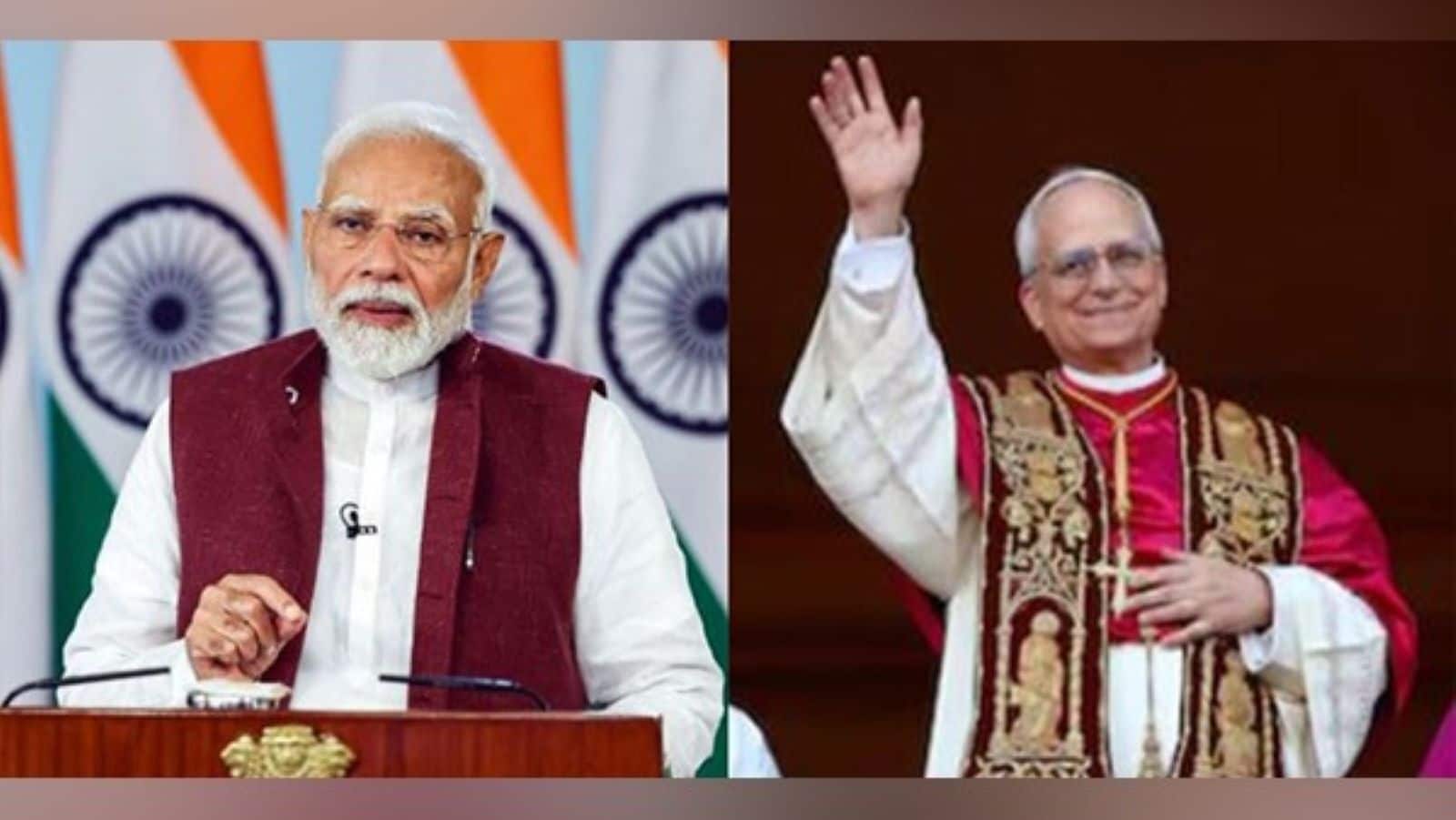
This isn't just a critique from tech-skeptic circles anymore. An unlikely alliance has formed between the world’s oldest spiritual institution and the leader of the world’s most populous democracy. Pope Leo XIV recently published a massive, 42,000-word encyclical titled Magnifica Humanitas: On Safeguarding the Human Person in the Time of Artificial Intelligence. Almost simultaneously, Indian Prime Minister Narendra Modi wrapped up the India AI Impact Summit.
When a Roman pontiff and a Hindu nationalist prime minister use almost identical language to warn against algorithmic overreach, it’s time to pay attention. They aren't trying to stop progress. They’re trying to prevent a corporate monopoly over human decision-making.
The Myth of Machine Wisdom
The core problem with generative models is that we confuse simulation with comprehension. Systems mimic human behavior flawlessly. They write essays, pass medical exams, and generate art. But a model doesn't understand what it builds.
In his encyclical, Pope Leo XIV explicitly targets this illusion. He points out that software lacks a body, feelings, and a moral conscience. It can simulate empathy, but it knows absolutely nothing about friendship, grief, or responsibility. When we hand over judicial decisions, medical triages, or hiring processes to these systems, we replace wisdom with calculation.
PM Modi brought this philosophical warning down to policy terms during his summit address. He stated clearly that technology exists to serve humanity, not replace it. The Indian leader argued that the central challenge of our decade is making systems human-centric rather than machine-centric.
The shared anxiety here isn't about killer robots from science fiction. It's about a subtle, creeping dehumanization. If software tells a manager whom to fire, or tells a judge how long a sentence should be, human agency vanishes. We become passive observers of our own civilization.
Silicon Valley and the New Tower of Babel
Both leaders see the current AI race as an aggressive concentration of geopolitical and corporate power. A tiny handful of American corporations control the proprietary data, the raw computing power, and the infrastructure. They write the software, and through massive lobbying efforts, they attempt to write the regulations too.
Pope Leo XIV reached back thousands of years to use the Biblical metaphor of the Tower of Babel. He warned that humanity is building a totalizing technological culture focused entirely on performance and control while treating the human cost as a footnote.
Modi views this exact issue through the lens of the Global South. During his recent diplomatic addresses, he noted that unequal access to technology created massive global wealth gaps during the industrial era. If the West and a few tech monopolies control the foundational models, the rest of the world gets relegated to mere consumers.
Look at what happened recently in Washington. Donald Trump abruptly halted an executive order that would have required developers to submit advanced models like Anthropic's Mythos for voluntary safety testing. The reasoning? The administration feared it would hurt America's lead against China and European competitors.
This is game theory at its worst. When governments prioritize national dominance over human safety, ethical frameworks get thrown out the window.
The Hidden Bias in Neutral Systems
We often think of algorithms as objective. Math can't be racist or classist, right? Wrong. Models train on historical data, which means they memorize and amplify human prejudices.
- The Vatican warns that software frequently hides its ideological biases behind a veneer of neutrality.
- Modi points out that in a diverse nation like India, regional, linguistic, and socio-economic biases quickly corrupt training data.
If a model trained primarily on English-language data from western cities is used to evaluate agricultural loans in rural India, it fails. It doesn't understand the context. Yet, because it delivers answers with absolute statistical confidence, users believe it.
Automation and the Economic Calamity
Let's look at the immediate threat: jobs. Tech evangelists love to talk about "upskilling" and how automation frees workers from tedious tasks. That sounds great in a boardroom, but it looks very different on the ground.
Pope Leo XIV issued a sharp rebuke to corporations using automation solely to cut labor costs and maximize profit margins. He argued that job loss isn't just an economic metric; it destroys personal dignity and shatters communities.
Modi's administration faces the massive challenge of employing hundreds of millions of young citizens. He openly stated that job disruption is the single most feared aspect of this technological shift. India's civilizational philosophy emphasizes Sarvajan Hitay, Sarvajan Sukhaye—the welfare and happiness of all. If automation only enriches a few venture capitalists while gutting the middle class, it fails that basic civilizational test.
How to Reclaim Human Agency
We can't just nod along with spiritual leaders and politicians; we need concrete action to navigate this shift. If you are an engineer, a business leader, or an everyday consumer, you have a role in breaking this monopoly.
Auditing the Tech Stack
If your company deploys automated tools for hiring or performance tracking, demand transparency. Don't buy into proprietary black-box software. Ask your vendors exactly what datasets their models trained on and demand third-party bias audits.
Protecting Data Sovereignty
Support localized, open-source AI initiatives. India is currently building its own digital infrastructure to avoid dependency on Silicon Valley. On an individual level, use tools that respect your privacy and opt out of letting giant tech corporations use your personal data to train their commercial models.
Demanding Political Accountability
Write to your representatives to support international safety frameworks. We need global treaties that explicitly ban fully autonomous weapons and enforce strict transparency rules for generative software. Regulation shouldn't be delayed under the guise of "maintaining a competitive edge."
The future shouldn't be dictated by a small group of developers in California or Beijing. Technology is an artifact of human will. If it stops serving us, we have every right to alter its course.