Hantavirus Pulmonary Syndrome (HPS) represents a high-fatality respiratory failure event triggered by a zoonotic spillover that bypasses the standard human-to-human transmission logic governing most modern outbreaks. While common pathogens rely on high-density urban contact, Hantavirus functions through a specific environmental-to-biological interface, making it a "hidden" epidemiological threat that materializes with sudden, devastating severity. To understand the risks associated with recent suspected outbreaks—including those in isolated environments like cruise ships—one must deconstruct the mechanical path from rodent excreta to the terminal collapse of the human pulmonary vascular system.
The Triad of Hantavirus Transmission
The probability of an HPS infection is not random; it is the output of a three-variable equation involving host density, environmental disturbance, and aerosolization mechanics. You might also find this similar article insightful: The Antarctic Virus Crisis No One Saw Coming.
1. Host Reservoirs and Geographic Specificity
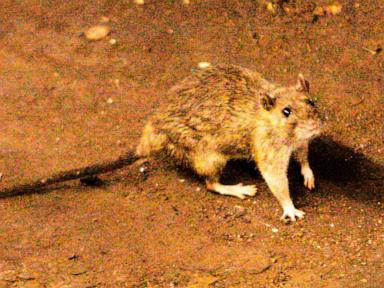
Unlike the Generalist Viral Strategy (e.g., Influenza), Hantavirus is a specialist. In North America, the primary reservoir is the Deer Mouse (Peromyscus maniculatus). In Central and South America, other species like the long-tailed pygmy rice rat carry the burden. The virus exists in a chronic, asymptomatic state within these rodents, shed continuously through urine, feces, and saliva.
2. The Aerosolization Threshold
Transmission occurs when these waste products dry and become integrated into dust particles. Human infection follows the inhalation of these microscopic vectors. This creates a specific risk profile for environments that have been closed or dormant for extended periods—cabins, storage units, or ship compartments—where rodent populations have expanded without human interference. When these spaces are suddenly ventilated or cleaned using dry methods (sweeping or vacuuming), the viral load is propelled into the breathing zone of the occupant. As reported in recent reports by Mayo Clinic, the effects are significant.
3. Biological Persistence
The virus remains viable in the environment for varying durations depending on temperature and UV exposure. Inside a controlled, shaded environment like a building or a ship’s lower decks, the half-life of the virus increases, extending the window of infection long after the rodent has departed the immediate area.
[Image of hantavirus transmission cycle]
Pathophysiology: The Pulmonary Vascular Leak
Hantavirus does not destroy the lungs through direct viral replication in the same manner as certain aggressive pneumonias. Instead, it hijacks the host's immune response to cause a catastrophic loss of vascular integrity.
The primary target is the pulmonary microvascular endothelial cells. Once the virus enters these cells, it triggers an intense inflammatory response. The body releases a flood of cytokines and chemokines, which, rather than neutralizing the threat efficiently, increases the permeability of the blood vessels.
This leads to a process known as capillary leak syndrome. Plasma begins to pour out of the capillaries and into the alveolar spaces—the tiny air sacs where oxygen exchange occurs. The patient essentially drowns from the inside out. Because the structural integrity of the lung remains largely intact (unlike in bacterial necrotizing pneumonia), the medical challenge is purely one of fluid management and oxygenation support until the immune storm subsides.
Clinical Progression and Diagnostic Latency
The danger of Hantavirus lies in its deceptive incubation period, which typically spans one to five weeks. This delay creates a "diagnostic gap" where the patient may have traveled far from the source of infection before symptoms manifest.
The Prodromal Phase
Initial symptoms are indistinguishable from common febrile illnesses:
- Fever and chills.
- Myalgia (deep muscle aches in the large muscle groups).
- Gastrointestinal distress (nausea, vomiting, abdominal pain).
This phase typically lasts 3 to 5 days. There are no respiratory symptoms at this stage, which frequently leads to misdiagnosis or a failure to realize the severity of the impending transition.
The Cardiopulmonary Phase
The transition from prodrome to acute respiratory failure is abrupt, often occurring over a matter of hours. This stage is characterized by:
- Rapid onset of shortness of breath (dyspnea).
- Hypotension (low blood pressure) as fluid leaves the circulatory system.
- Cough and tachypnea.
Medical intervention at this juncture requires immediate escalation. The mortality rate for HPS remains high—approximately 38%—largely because there is no specific antiviral treatment or vaccine. Management is limited to supportive care, frequently involving mechanical ventilation or Extracorporeal Membrane Oxygenation (ECMO).
[Image of ECMO machine diagram]
Risk Mitigation in Closed Systems and Travel
The suspected presence of Hantavirus on a cruise ship or in a travel lodging facility indicates a failure in integrated pest management (IPM) and environmental hygiene. In the context of large-scale vessels or hospitality infrastructure, the "Cost of Prevention" is significantly lower than the "Cost of Outbreak Response," yet the former is often neglected in favor of aesthetic maintenance.
Structural Vulnerabilities
Shipboard environments offer unique challenges for rodent control:
- Concealed Chases: Extensive networks of wiring and plumbing provide protected highways for rodents.
- Provisioning Loops: Constant intake of food supplies and dry goods provides multiple entry points for hitchhiking rodents.
- Moisture Control: High humidity can prevent the rapid desiccation of viral particles, potentially extending their infective lifespan.
Professional Remediation Protocols
Standard cleaning is insufficient and potentially dangerous when dealing with suspected Hantavirus sites. The protocol must shift from "cleaning" to "disinfection via saturation."
- Protective Equipment: Use of N95 or P100 respirators is non-negotiable to prevent inhalation of aerosolized particles.
- Wet Disinfection: Areas contaminated with rodent droppings must be soaked in a disinfectant (such as a 10% bleach solution) for at least five minutes before removal. This prevents the particles from becoming airborne.
- Zonal Isolation: In a multi-cabin environment, the affected area must be sealed with negative pressure to ensure that no dust escapes into the general ventilation system during the remediation process.
The Economic and Operational Impact of Zoonotic Events
For the travel and shipping industries, a Hantavirus event is not merely a medical crisis; it is a systemic shock to brand trust and operational continuity. The "Trust Half-Life" following a zoonotic outbreak is significantly longer than that following a standard gastrointestinal event (like Norovirus).
The psychological weight of a 38% mortality rate creates a disproportionate fear response in the market. Consequently, the strategic priority for operators must move toward transparent, data-driven hygiene reporting and the implementation of automated rodent monitoring systems that use infrared sensors rather than reactive visual inspections.
The emergence of Hantavirus in non-traditional settings serves as a reminder that the boundary between "wilderness disease" and "urban threat" is increasingly porous. As humans encroach further into diverse ecosystems and global logistics chains become more complex, the probability of low-frequency, high-impact zoonotic events increases.
Immediate action for facility managers and vessel operators involves a transition from reactive pest control to a proactive biological defense posture. This includes the mandatory adoption of wet-cleaning protocols in all "dead zones" of a facility and the rigorous sealing of structural gaps larger than a quarter-inch. Survival in the face of Hantavirus is determined by the speed of respiratory support; prevention is determined by the meticulous management of the micro-environment.