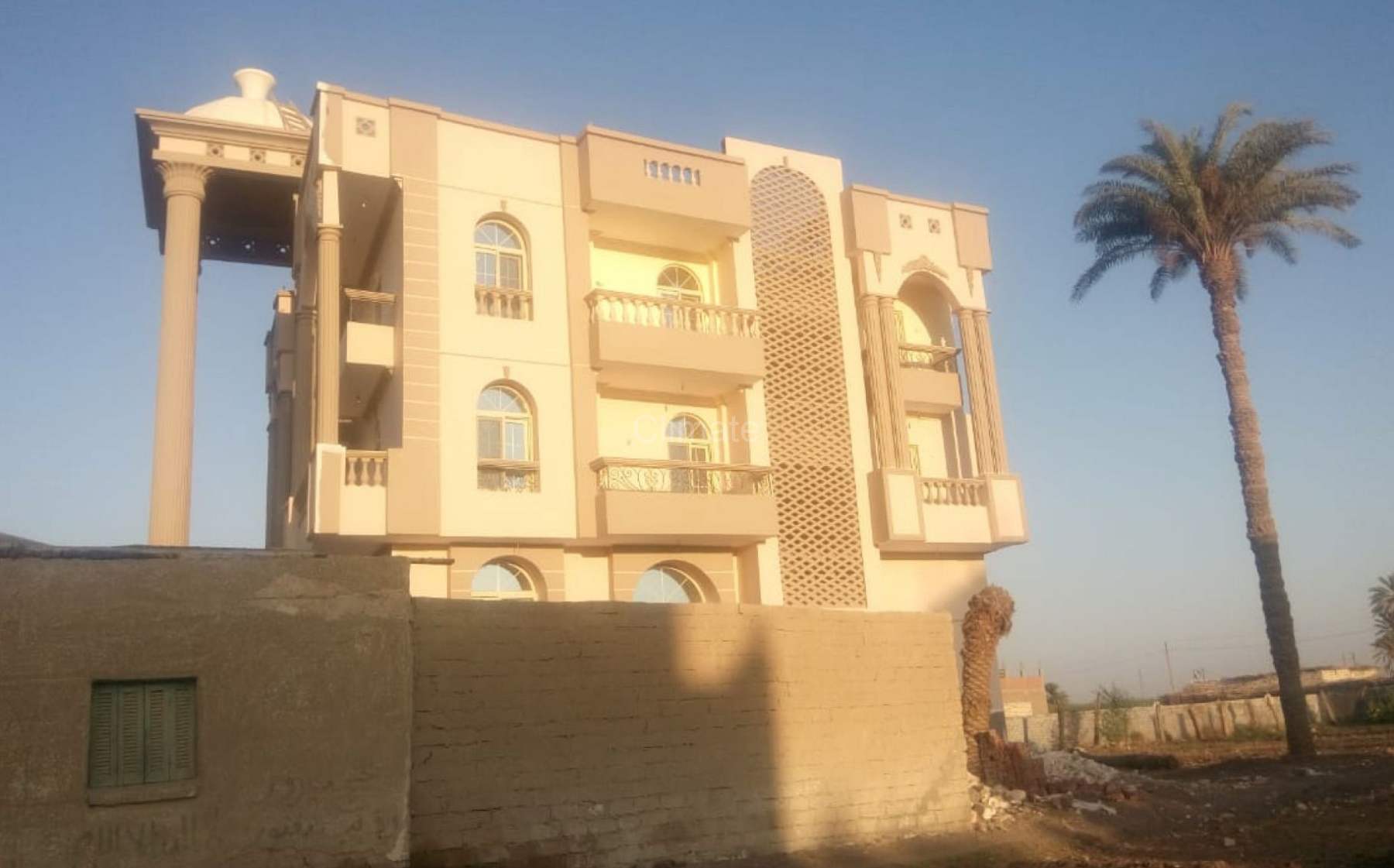
Most people visiting Egypt get trapped in the Cairo-Luxor-Aswan triangle. They see the same stones, stay in the same beige hotels, and fight the same crowds. It’s exhausting. If you’re looking for a soul, you won’t find it in a tour bus. You’ll find it in Tunis Village. Specifically, you'll find it at Villa Fayoum.
This isn't another cookie-cutter boutique hotel. It's the "artiest" guesthouse in the country for a reason. Located in the heart of the Faiyum Oasis, about two hours south of Cairo, this spot feels worlds away from the capital's smog and noise. It sits in a village famous for its pottery, overlooking the saltwater Lake Qarun. While the rest of the world obsesses over the Giza Plateau, the real magic is happening here in the mud-brick shadows.
The Architecture of Quiet
You notice the difference the second you walk in. The building respects the land. It’s built with traditional techniques—think domes, arches, and thick walls that keep the interior cool when the Egyptian sun starts biting. Ibrahim Lambaz, the architect and owner, didn’t just build a house. He crafted a sanctuary that mirrors the desert’s own textures.
The light here is different. It’s soft. It filters through small, strategically placed windows, creating a play of shadows that changes every hour. You don’t just stay here; you move through a living gallery. The furniture is locally sourced. The textiles are hand-woven. Every corner feels intentional.
Many modern hotels in Egypt try too hard to be "Pharaonic" or "International." They end up looking like cheap movie sets. Villa Fayoum goes the other way. It embraces the rustic, earthy reality of the oasis. It’s honest.
Living Inside an Art Gallery
Tunis Village became an art hub back in the 1980s when Swiss potter Evelyne Porret moved here. She started a pottery school that changed everything. Now, the entire village is a collection of studios. Villa Fayoum is the natural extension of that history.
The walls aren't covered in mass-produced prints. You’re looking at authentic pieces from local and regional artists. It’s common to see guests sketching in the courtyard or photographers trying to capture the specific shade of ochre on the walls.
- The Pottery Influence: You’ll eat off plates made by hands you can meet just down the street.
- The Colors: Expect a palette of terracotta, deep blues, and sandy creams.
- The Garden: It’s a wild, green contrast to the surrounding desert, filled with trees that actually provide shade, not just decoration.
If you’re the type of person who needs a gym and a 24-hour business center, stay in Cairo. This place is for people who want to read a book and listen to the wind.
Beyond the Guesthouse Walls
Staying at Villa Fayoum gives you a base to explore a side of Egypt that remains criminally underrated. You aren't just here for the room. You’re here for the access.
Wadi El Hitan, or the Valley of the Whales, is a short drive away. It’s a UNESCO World Heritage site where you can see whale skeletons—with legs—lying in the sand. It’s a literal graveyard of evolution. Most tourists skip it because it’s "too far." Their loss.
Then there’s Wadi El Rayan. You get waterfalls in the middle of the desert. It sounds like a mirage, but it’s real. You can go sandboarding on the dunes or take a wooden boat out on Lake Qarun at sunset. The water turns a strange, metallic silver. It’s hauntingly beautiful.
Why Tunis Village Matters
The village itself is a lesson in sustainable tourism. It hasn't been ruined by massive resorts yet. You can walk the dirt paths, talk to the potters, and buy world-class ceramics for a fraction of what you’d pay in a London or New York gallery.
Villa Fayoum fits into this ecosystem perfectly. It doesn't overwhelm the village. It supports the local economy by hiring locally and sourcing everything from nearby farms. The food is a highlight. Forget the sad hotel buffets. Here, you get feteer (flaky Egyptian pastry), fresh honey, and vegetables that actually taste like the earth they grew in. It’s simple. It’s perfect.
People often ask if Fayoum is safe or worth the drive. Honestly, it’s safer than most major Western cities and the drive is a small price to pay for the silence you get in return. The contrast between the chaotic sprawl of Cairo and the stillness of the villa is jarring in the best way possible.
How to Do It Right
Don't treat this as a day trip. You'll regret it. You need at least two nights to let your heart rate slow down.
- Book in advance. Since it’s a boutique guesthouse, it fills up fast, especially during the cooler months from October to April.
- Bring cash. Many of the local pottery workshops don't take cards, and you're going to want to buy everything.
- Hire a local guide for the desert. While you can drive yourself, the real stories of the desert are held by the people who live there. They know where the best fossils are hidden.
- Disconnect. The Wi-Fi exists, but you shouldn't use it.
Pack a light jacket for the evenings—the desert temperature drops fast once the sun goes down. Wear comfortable shoes for the village paths. Most importantly, leave your expectations of "luxury" at the door. Villa Fayoum offers something much more valuable: authenticity.
Start by checking their availability directly. Avoid the big booking engines if you can; contacting them through their social channels or website usually gets you a better feel for the place before you arrive. Once you're there, walk to the pottery school first. It sets the tone for the rest of your stay.