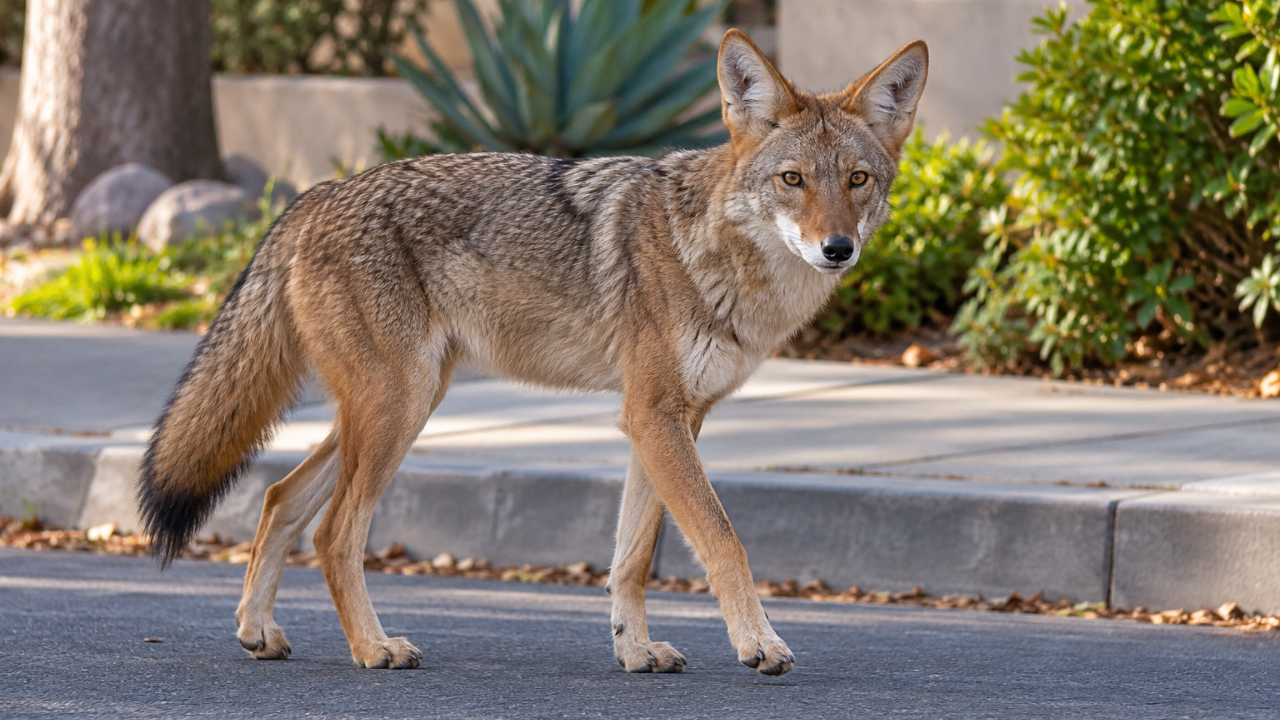
Neighbors complained for months. Then a toddler got bitten.
When a coyote attack hits a Los Angeles neighborhood after months of warnings, nobody should look surprised. DNA testing confirming the bite came from a coyote settles the immediate mystery, yet it exposes a much messier reality about living alongside smart, adaptable predators in dense cities.
I've spent years watching how urban wildlife conflicts play out across Southern California, from foothill canyons to tree-lined residential blocks. Usually, the script is painfully predictable. People spot a coyote trotting down the sidewalk at noon. A few folks toss food out or leave pet bowls on the patio. Others post angry updates in neighborhood groups while city agencies split responsibility across animal control, local parks, and state wildlife officials. By the time a child gets hurt, everyone says they saw it coming—and nobody felt empowered to stop it earlier.
Why Coyote Complaints Escalate Before a Bite Happens
Coyotes don't wake up one morning and decide to hunt toddlers. That's not how their behavior works, even when headlines make them sound like lurking monsters.
Most coyote attacks on humans—and yes, attacks on small children are a real, documented risk—grow out of habituation. When wild animals repeatedly encounter people without experiencing fear or consequence, their natural caution erodes. Food is the biggest driver, whether that means open trash cans, fallen fruit under backyard trees, outdoor cat food, or deliberate hand-feeding by well-meaning residents who think a skinny animal looks pitiful.
Once a coyote associates yards, driveways, and parks with easy calories and harmless humans, boundaries blur. You'll start seeing bolder daytime behavior. A coyote might linger near a playground instead of bolting when someone opens a door. Neighbors log sighting after sighting. Still, casual sightings alone don't automatically trigger aggressive action from wildlife agencies, which weigh public safety risks against ecological realities and strict legal rules.
That gap between "annoying frequent visitor" and "confirmed threat" is where frustration boils over. Residents feel ignored when they report aggressive approaches or lingering animals, while agencies point out that spotting a coyote in an urban habitat is normal, not an emergency on its own. When a bite finally happens and DNA confirms a coyote was responsible, those months of complaints suddenly look like an unheeded alarm bell.
How DNA Testing Confirms an Urban Coyote Attack
When someone gets bitten in an area where stray dogs, raccoons, or even other animals might be nearby, guesswork isn't good enough. Wildlife investigators and public health teams rely on DNA swabs taken from clothing or wound sites to identify the exact species involved.
Genetic confirmation matters for two practical reasons. First, it tells officials whether a wild coyote actually carried out the attack rather than a neighborhood dog or an unknown animal. Second, it helps agencies decide on targeted management responses—such as trapping or hazing protocols in a specific pocket of the neighborhood—instead of reacting blindly.
In Southern California, the California Department of Fish and Wildlife tracks human-coyote conflict levels and provides guidance on how local jurisdictions respond to bites and aggressive encounters. Biologists also look at patterns of behavior, not just a single swab, because a one-off defensive snap over a cornered animal looks very different from a bold animal approaching small children in a yard or park.
Honestly, people sometimes treat DNA results like a magic wand that solves the whole problem. It doesn't. Knowing for sure that a coyote bit a toddler confirms the danger is real right now, right here, in your own zip code. Fixing what caused the coyote to lose its fear of people takes sustained neighborhood habits, not a single lab report.
What Urban Wildlife Experts Get Right and What People Miss
Spend enough time around urban coyote researchers—like those involved in long-running city studies such as the Urban Coyote Research Project—and you'll hear a consistent message. Coyotes are extraordinarily good at exploiting human gaps. They thrive in fragmented green spaces, golf courses, creek beds, and quiet suburban streets because cities accidentally create a buffet of rodents, pet food, and shelter.
Here's where public conversation often goes off the rails. Some folks want every coyote in the city wiped out immediately. Other folks insist coyotes are completely harmless if you "just leave them alone." Neither extreme matches reality.
Wiping out local coyotes sounds tempting after a child gets hurt, yet wildlife biologists point out that removing a few animals without changing attractants often just opens territory for younger, bolder coyotes moving in from nearby areas. On the flip side, pretending a habituated coyote won't nip a small child is reckless. A toddler is roughly the size of a large house cat or small dog—the exact prey profile coyotes already hunt in backyards.
A small child moving quickly on grass or pavement can easily trigger a predatory or investigatory response in a bold, habituated coyote.
What people miss most is how fast hazing works when done right—and how badly people mess it up. Tossing a pebble or clapping weakly from twenty feet away while holding a coffee mug doesn't teach a coyote anything. Real hazing means making yourself big, loud, and unmistakably threatening every single time you see one in a yard, park, or street: yelling firmly, waving arms, opening an umbrella, blowing a whistle or air horn, or spraying water from a hose.
If you do that consistently, the coyote learns that people equal stress and discomfort. If only one house on the block does it while the neighbor three doors down leaves cat food on the porch, the lesson gets muddled.
Practical Steps for Families and Neighbors Right Now
You can't control every wild animal in Los Angeles, and you can't stop every careless neighbor overnight. You can, however, tighten up your own yard and habits today so you aren't handing coyotes an invitation.
Start with attractants around your property. Bring pet food and water bowls indoors before dusk, and don't leave kibble outside during the day either. Pick up ripe fruit that falls from citrus or fig trees, keep trash lids snapped tight, and check that compost bins are secure. Even birdseed spilled on the ground draws rats and squirrels—which in turn draw coyotes hunting easy meals.
Next, adjust how you supervise kids and pets outside. Keep young children within arm's reach in front yards, backyards, and neighborhood parks, especially near brush, alleys, or unfenced edges. Walk dogs on a short leash, skip retractable leashes near wooded strips or quiet trails at dawn and dusk, and never let small dogs roam unattended in a yard.
Finally, carry something loud when walking outside with kids or dogs—a whistle, a small air horn, or keys you can shake—and don't hesitate to haze a coyote that lingers too close. Report aggressive behavior, stalking, or bites immediately to local animal control and state wildlife authorities so officials have accurate data instead of scattered rumors. A little consistent pressure from everyday residents goes a long way toward keeping coyotes wary of people where they belong.