Naval incidents in open waters rarely stay quiet for long. When a routine surveillance mission turns into a physical collision, diplomatic shockwaves follow immediately. New Delhi did not waste time reacting when a Pakistan Navy vessel collided with an Indian Navy unit in the North Arabian Sea. India summoned Islamabad's top diplomat to South Block, laying down a formal, sharp protest over what officials termed aggressive and unprofessional seamanship.
What Actually Happened in International Waters
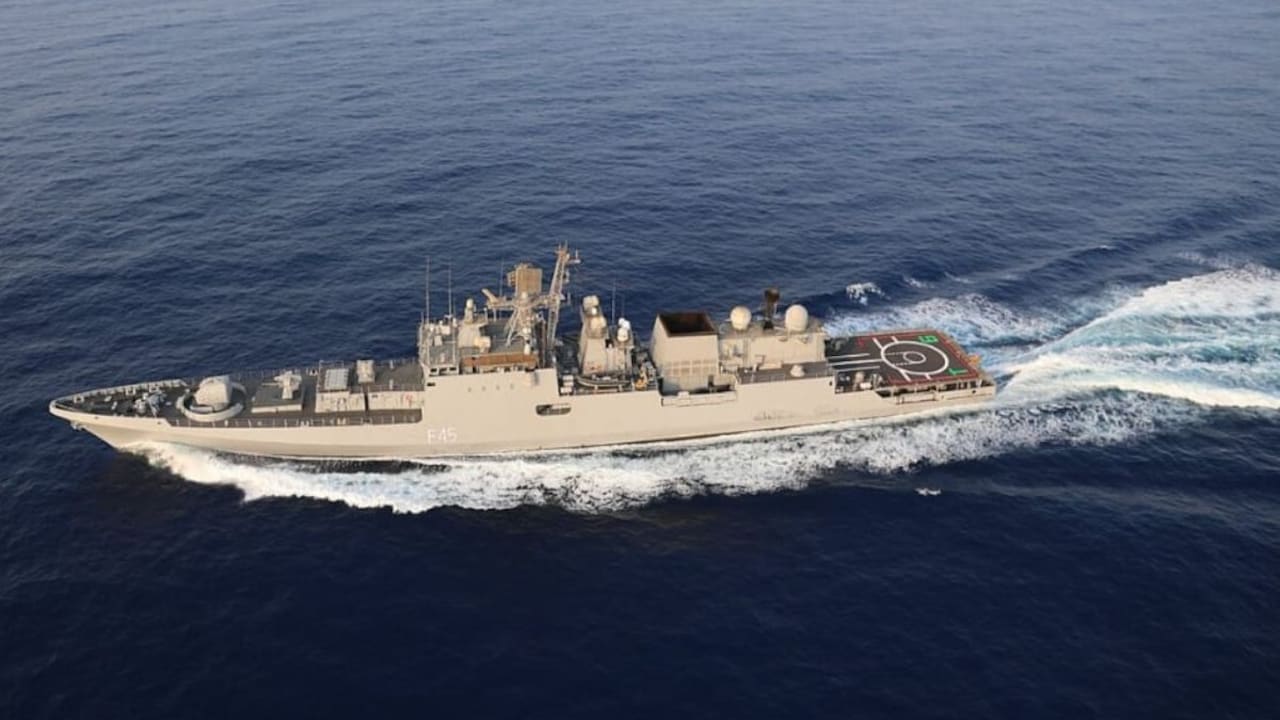
The collision took place during evening hours on September 15. An Indian frontline warship was conducting routine surveillance and anti-piracy patrols in international waters within the North Arabian Sea. A Pakistan Navy vessel closed in at high speed, executing maneuvers that Indian defense sources described as erratic and unsafe.
While neither side reported catastrophic structural failures or sinking—and the Indian warship successfully continued its operational deployment—the physical contact itself violated basic maritime protocols. India's Ministry of External Affairs pointed directly to a specific violation: Article 10 of the April 1991 bilateral agreement on advance notice for military exercises, maneuvers, and troop movements. That treaty exists specifically to prevent accidental military escalations at sea or in the air by maintaining safe operating distances. Ignoring those guidelines in open water invites disaster.
Why Summoning the Envoy Matters
Diplomatic summons are the heavy artillery of international relations short of outright conflict. By calling in Pakistan's Charge d'Affaires to the Ministry of External Affairs, India signaled that this wasn't chalked up to simple bad luck or poor weather.
New Delhi's message was blunt. Operating heavy military hardware aggressively near foreign assets without maintaining safety buffers crosses a dangerous line. The Indian envoy in Islamabad received parallel instructions to lodge an identical formal grievance with Pakistan's foreign ministry. It is a tit-for-tat diplomatic posture designed to establish a clear paper trail, holding Islamabad officially accountable for the conduct of its naval commanders at sea.
Echoes of the Past
This isn't an isolated anomaly. Military historians and naval observers immediately recalled a strikingly similar incident from June 2011. Back then, the Pakistani naval ship PNS Babur and the Indian warship INS Godavari had a close-encounter collision that damaged flight deck nets. In that instance, India released photographic evidence showing the Pakistani vessel making a high-speed, dangerous approach from the stern.
Patterns like this suggest systemic issues in how certain naval elements manage close-quarter surveillance encounters. When two adversarial navies patrol overlapping strategic corridors, split-second hubris or poor bridge resource management can easily trigger an unwanted kinetic escalation.
The Broader Geopolitical Tension
The timing of this collision amplifies the friction. Regional security remains high-strung, with naval assets routinely tracking each other's movements across vital trade choke points. The Arabian Sea is a bustling maritime highway. When warships start treating routine shadowing operations like a dangerous game of chicken, the margin for error shrinks to zero.
Naval forces are built to project power and maintain deterrence, but basic professional standards dictate that avoidable accidents shouldn't happen in peacetime. Islamabad has yet to offer a convincing operational justification for why its vessel closed distance so aggressively. Until both militaries strictly enforce safety protocols at sea, encounters like this will continue to test the fragile stability between the two neighbors.