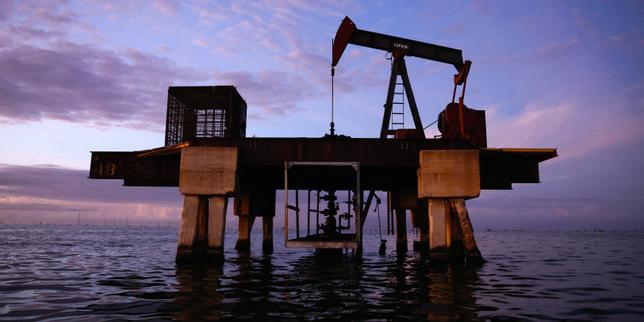
Everyone is popping champagne because the Venezuelan National Assembly just rubber-stamped another oil pact with the United States. Mainstream media outlets treat this like a diplomatic masterstroke, a pragmatic bridge over troubled geopolitical waters, and proof that economic pragmatism always wins out over ideological friction.
They are wrong. Dead wrong. For a closer look into this area, we suggest: this related article.
I have watched energy traders and foreign policy pundits fall for this exact same fairy tale for over a decade. Every time Washington needs a quick fix for refinery slates on the Gulf Coast or wants to pretend it is managing global commodity supply, it trots out the same tired narrative about reintegrating Caracas into the rules-based international order. It is a transactional illusion built on quicksand.
The lazy consensus says that lifting sanctions or signing corporate operating agreements means Venezuelan crude will soon flood Western markets, lower prices at the pump, and rescue an impoverished population. Strip away the press releases and you see the structural rot. You cannot extract oil from a country where the power grid flickers out because a transformer exploded from sheer neglect, where the personnel capable of running a directional drill fled to Miami years ago, and where the national oil company operates as a slush fund rather than an enterprise. For additional context on this development, extensive reporting is available at Financial Times.
The Anatomy Of A Paper Tiger Deal
Let us look at what this agreement actually changes on the ground. Nothing.
PDVSA is a corporate ghost town. When foreign operators look at these new legal frameworks, they do not see stability; they see sovereign risk wrapped in domestic political theater. The machinery in the Orinoco Belt requires billions in continuous capital expenditure just to keep heavy crude flowing through upgraders. A legislative nod from a rubber-stamp parliament does not lay a single yard of pipeline or fix a corroded manifold.
The mainstream financial press loves to talk about reserves. Venezuela has the largest proven oil reserves on the planet, they chirp, as if geology equals production. It does not. Geology is potential. Execution is reality. Saudi Arabia sits on sand and pumps millions of barrels effortlessly because its infrastructure is world-class and maintained by institutional competence. Venezuela sits on extra-heavy bitumen that requires specialized diluents—diluents that the domestic infrastructure can barely supply consistently—processed through facilities that have been cannibalized for spare parts.
Imagine a scenario where a major Western supermajor pours ten billion dollars into reactivating legacy fields in Lake Maracaibo. Six months later, political shifts in Caracas or Washington trigger a new wave of secondary sanctions, asset freezes, or nationalization decrees. Your capital is trapped. Your equipment is seized. Your executives are indicted. That is not an investment thesis; that is financial Russian roulette.
Why The Sanctions Relief Narrative Is A Distraction
Washington politicians love these deals because they provide immediate optical relief without requiring actual strategy. When crude spikes, the administration needs to point to a dial it can twist. Signing a piece of paper with the National Assembly lets them claim they are boosting global supply without having to make hard domestic choices about green energy transitions or domestic drilling leases.
It is a placebo. The volume coming out of these sanctioned channels is a rounding error in a hundred-million-barrel-a-day global market. Even if every constraint were magically wiped away tomorrow, the physical decline curve of Venezuelan fields is so steep that reversing it requires a multi-year, multi-billion-dollar overhaul that no board of directors is willing to finance under current political parameters.
The market has priced in a fantasy recovery that physics and politics will never allow to happen. When reality sets in—when export numbers come in flat and PDVSA fails to meet its baseline targets—everyone acts surprised. They shouldn't be.
The Real Game Being Played Behind Closed Doors
If you want to understand why these deals keep happening despite repeated failures, follow the rent-seekers.
Every time a new framework is negotiated, a specific class of intermediaries, boutique legal consultants, and political brokers make absolute fortunes structuring compliance workarounds, lobbying Capitol Hill, and carving out narrow exemptions for specific trading houses. The ecosystem of Venezuelan oil diplomacy is sustained not by the barrels it produces, but by the fees it generates for people who never touch a wrench.
The average retail investor looks at a headline about a legislative vote and thinks about supply and demand curves. The insiders look at it and calculate how long the current window of legal ambiguity will remain open before the next corruption scandal breaks or the regulatory rug gets pulled.
Stop treating Venezuelan policy as a rational economic endeavor. It is a lagging indicator of desperation. When supply gets tight, Washington lowers the bar for who it will do business with, and Caracas takes whatever terms allow the regime to keep the lights on for another month.
The next time you read about a breakthrough energy pact coming out of the National Assembly, remember what is actually happening beneath the surface. It is not the rebirth of a petrostate. It is a temporary ceasefire between incompetence and necessity, executed on borrowed time with broken equipment.
Don't buy the hype. Short the illusion.