Frustration.
It is an ordinary word, the kind you toss across a kitchen table when the coffee maker breaks or a train runs late. Yet in high diplomacy, a single word carries the weight of artillery shells, frozen bank accounts, and winter nights without heat. When Marco Rubio speaks of Donald Trump feeling frustrated by claims that he is causing harm to Ukraine, the phrase lands not in a vacuum, but inside a room where every sentence is weighed against human survival.
I have stood in basements in Eastern Europe while air-raid sirens wailed overhead, smelling damp concrete, cheap tobacco, and cold sweat. The air down there tastes like iron and fear. People clutch thermos flasks of lukewarm tea and watch glowing phone screens, refreshing feeds that can turn a quiet Tuesday into a funeral. In those rooms, Washington politics does not sound like cable news punditry. It sounds like the weather. If a gust blows one way, the rain stops. If it shifts, the roof leaks.
To understand why frustration flares so sharply around this accusation, we have to separate two truths that rarely sit comfortably side by side. One truth belongs to leaders navigating power, leverage, and domestic politics. The other belongs to families trying to keep their children warm when the power grid is hit again.
Two Maps of the Same Crisis
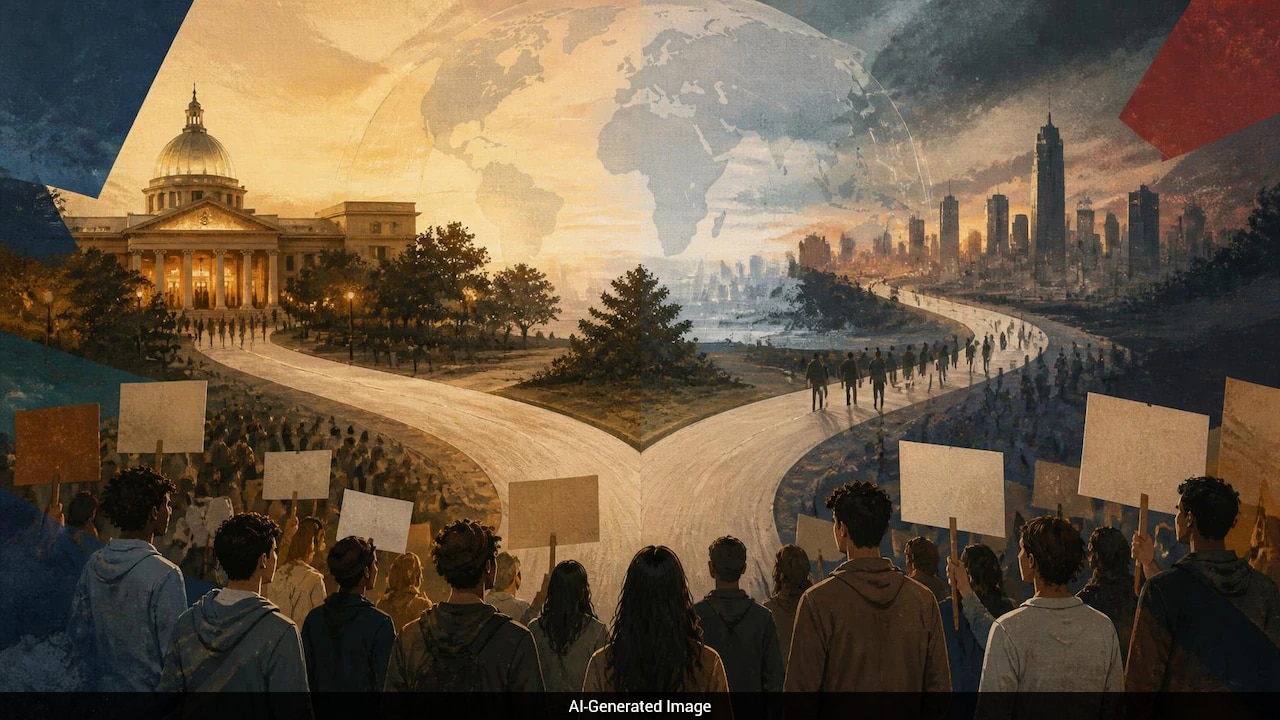
Imagine two people looking at the same storm from different windows. (This is a metaphor to illustrate differing perspectives, not a literal account of any meeting.) One stands high above the city, watching wind speeds and barometric pressure, calculating how long the squall might last and what it will cost to rebuild the docks. The other stands on the street corner with an umbrella turned inside out, soaked to the skin, wondering why the forecast sounded so calm.
Neither person is hallucinating the weather. Yet they experience it in entirely different ways.
When critics argue that Trump’s rhetoric or policy posture harms Ukraine, they usually point to uncertainty. In war, uncertainty is expensive. Artillery shells require factories that run years ahead of the front line. Air-defense interceptors take months to manufacture and train crews to operate. When allies wonder whether backing will hold steady, surge, or shrink, planning gets harder, morale wobbles, and adversaries sense room to maneuver.
From Trump’s vantage point—as framed by Rubio—being accused of causing harm feels maddening. Politicians who believe they are pushing for a faster off-ramp, forcing hard negotiations, or protecting their own country's resources often see themselves as realists confronting a grinding stalemate. To hear that your approach is harmful when you believe you are trying to stop a bleeding wound can spark genuine irritation. Nobody likes being cast as the villain in a story where they think they are playing the pragmatist.
But intentions and impacts do not always march in lockstep.
A Hypothetical Morning in Kharkiv
Picture a fictional character named Olena, a schoolteacher living in an apartment block outside Kharkiv. (This is a hypothetical scenario created to ground the human stakes of geopolitical shifts.) Olena is not a general or a diplomat. She grades essays by flashlight when the transformer down the block gets knocked offline, and she buys extra candles every payday just in case.
One morning, over instant coffee, Olena reads a headline about Washington debate over aid to Kyiv and Trump’s frustration with accusations of harming her country. She does not parse every nuance of Senate committee rules or diplomatic phrasing. What she feels is a knot tightening in her stomach. For her, "harm" is concrete. It means fewer Patriot missiles in the sky tonight. It means a longer walk to a heating center. It means her brother, stationed near the eastern treeline, waiting longer for ammunition that was supposed to arrive last week.
You cannot ask Olena to feel comforted by a politician's frustration if her windows are rattling from incoming fire. At the same time, fairness requires asking a harder question: What is the alternative to endless, open-ended war, and how do wars actually end?
History rarely gives us clean choices. Most conflicts do not conclude with a dramatic surrender on a battleship deck. They drag on through attrition, exhaustion, diplomacy, and compromise—often ugly compromises that leave everyone dissatisfied. Throughout the twentieth century, from Korea to Vietnam to the Balkans, leaders argued fiercely over whether firmness prolonged suffering or whether push for settlement rewarded aggression.
Those debates are never settled cleanly in real time. They are fought in real blood and real ink.
Why Accusations of "Harm" Cut So Deep
In politics, accusations are rarely just descriptions; they are weapons. Calling a leader "harmful" to an ally is not a neutral observation. It is a moral indictment. It implies recklessness, indifference, or worse.
When Rubio relays that Trump is frustrated by those claims, he is pushing back against a framing that paints Trump's posture as purely destructive. Defenders of this approach often argue that prolonged war itself inflicts massive harm—draining nations of young men, flattening cities, and risking escalation that could pull even more countries into the fire. From that perspective, pressing for a negotiated settlement or demanding greater burden-sharing is framed as a hard-headed attempt to contain damage rather than cause it.
Critics see the exact same moves and reach the opposite conclusion. They argue that signaling reluctance or questioning commitments weakens Ukraine’s hand at the negotiating table before real concessions are even on the table. If a battered defender looks like it might lose support, why would an aggressor offer fair terms?
I have to admit something here, because pretending certainty in moments like this is dishonest: I do not have a crystal ball. Geopolitics is messy, opaque, and full of traps. Even seasoned analysts who have spent decades studying Eastern Europe and Washington power dynamics disagree sharply on what happens next. When experts argue, it is completely normal for ordinary readers to feel confused, skeptical, or tired of the noise.
Doubt is not a flaw in your thinking. It is a rational response to a high-stakes fog.
What People Actually Want to Know
When people read headlines about Trump, Rubio, and Ukraine, they usually aren't looking for a dictionary definition of diplomacy. They are trying to answer quiet, urgent questions behind their own eyes.
First, they want to know whether rhetoric actually changes reality on the ground. Words matter enormously in international affairs. Markets react to them, allies hedge around them, and adversaries test boundaries based on them. A sharp remark or a shift in tone can alter expectations long before a single shipment is delayed or approved. Yet words alone do not fire a howitzer or repair a power substation. Actual policy decisions, funding bills, logistics chains, and battlefield realities determine what happens day to day.
Second, people wonder whether being "frustrated" signals a change in strategy. Frustration can harden a position. It can make someone dig in their heels, refuse to budge, or double down on their own instincts. It can also be a pressure valve—a way of venting irritation while still working within existing constraints. Watching how frustration translates into concrete action is far more revealing than the emotion itself.
Third, there is the question of blame. When a war drags on, everyone looks for someone to hold responsible. Critics blame those they see as wavering or complicating support. Supporters blame those they see as prolonging a costly conflict without a clear end state. Meanwhile, the people living under drone attacks bear the brunt regardless of who wins the argument on television.
The Invisible Stakes Behind Every Headline
Think about how easy it is to flatten complex human lives into talking points.
A clip plays on a screen. A spokesperson offers a measured line. A commentator chimes in with a clever label. Within minutes, a conflict involving millions of displaced people, grieving parents, shattered towns, and global economic shockwaves is reduced to a scorecard of political wins and losses.
That distance is dangerous. When we treat foreign policy purely as a sport between rival camps in Washington, we forget the people living inside the scoreboard.
On the other hand, treating every disagreement over strategy as treason or cruelty shuts down honest debate about costs, risks, and endgames. Democracies have to argue about how much they can give, for how long, and toward what realistic goal. Pretending those questions are simple does nobody any favors.
The tension around Trump’s frustration and the claims of harming Ukraine lives right on that fault line. It sits between urgency and caution, between unwavering backing and pressure for a settlement, between protecting homeland priorities and preventing a neighbor from being swallowed whole.
Listening Beneath the Noise
If you strip away the spin from both sides, what remains is a sobering mirror. It shows a world where power is contested, resources are finite, and every choice carries a price tag someone else has to pay.
Maybe the real test for those of us watching from afar is not picking a team and cheering louder. Maybe it is refusing to go numb. It is holding onto moral clarity without pretending the strategic trade-offs are easy. It is listening carefully to what leaders say, watching closely what they actually do, and never forgetting the quiet people in dark apartments waiting for the lights to come back on.
Because long after the cable segments fade and the press briefings end, someone still has to walk outside into the cold and see what the night left behind.