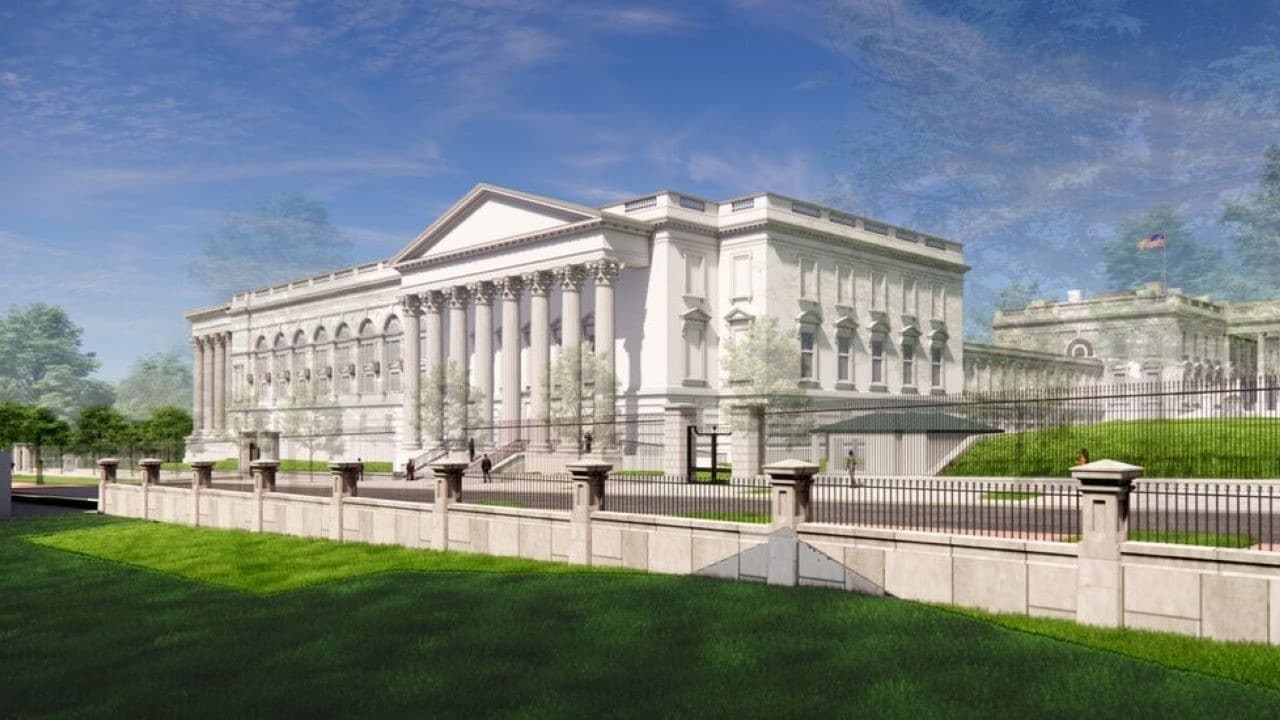
The White House is currently a construction site of historic proportions, and it's not just because someone wanted a new coat of paint. In a move that's sparked a massive constitutional tug-of-war, the National Capital Planning Commission (NCPC) just gave the final "green light" to President Trump’s controversial $400 million ballroom project. This happened only 48 hours after a federal judge tried to pull the emergency brake on the whole thing.
If you're wondering how an agency can approve a project that a judge just "halted," you're not alone. It’s a classic Washington power play. The NCPC argues that their vote only covers the planning side of things, while Judge Richard Leon’s ruling specifically targets the construction activity. Basically, they’re saying, "We can agree on what it should look like, even if the guy with the gavel says you can't build it yet."
The Judge's Reality Check for the West Wing
Earlier this week, U.S. District Judge Richard Leon dropped a bombshell. He ruled that the administration must stop construction on the ballroom unless—and until—Congress gives the project an explicit "thumbs up." His reasoning was blunt and didn't leave much room for interpretation. He reminded the administration that the President is the "steward" of the White House for future generations, not the "owner" who can tear down wings on a whim.
The legal battle started when the National Trust for Historic Preservation sued after the East Wing was demolished last year to make room for this massive 90,000-square-foot structure. The Trust argued that you can't just knock down a chunk of a National Historic Landmark without jumping through the proper hoops. Judge Leon agreed, noting that no current law gives a president the unilateral authority to overhaul the White House grounds on this scale, even if private donors are footing the bill.
Why a Ballroom and Why Now
The President hasn't been shy about his reasons. He’s tired of hosting world leaders in "tents on the lawn." He wants something permanent, something grand, and something that can hold 999 people in a single sitting. The plan describes a structure with drone-proof roofs, bulletproof glass, and a price tag that has ballooned to $400 million.
While the administration insists this is being paid for by wealthy donors and the President’s own pocket, critics point out that taxpayer money is already flowing into the "boring" parts of the project. We’re talking about underground bunkers, massive security upgrades, and medical facilities that are part of the broader East Wing modernization.
The NCPC’s 8-1 vote on Thursday was a clear win for the administration’s timeline, but it’s a win with a giant asterisk. The lone "no" vote came from Phil Mendelson, the D.C. Council Chairman, who didn't mince words. He called the design too large and argued it competes with the height of the original historic structure. He’s not the only one worried about the scale; the public sent in over 35,000 comments, and the vast majority were not exactly fans of the new look.
The Loophole in the Injunction
There's a specific detail in Judge Leon’s ruling that the White House is already using to keep the crews busy. The judge allowed for a 14-day window before the halt takes effect, and more importantly, he carved out an exception for anything "necessary for safety and security."
Trump has already signaled on social media that the work continues. Since the project includes a "massive military complex" and advanced security features, the administration argues that much of the ongoing work falls under that safety exception. It’s a gray area big enough to drive a bulldozer through.
What Happens Next for the Most Famous House in America
The Department of Justice has already appealed the judge's decision. This is headed for the D.C. Circuit Court of Appeals, and likely beyond. While the legal eagles argue over who has the authority to change the White House, the NCPC’s approval means the design is technically "ready to go" the moment a higher court clears the path.
For now, the project sits in a weird limbo. You have a final plan approved by the planners, a construction halt ordered by a judge, and a President who insists that "Congressional approval has never been given on anything" regarding White House renovations.
If you're following this, keep an eye on the two-week mark. That's when the stay on the judge's order expires. Unless an appeals court steps in to rescue the project, the heavy machinery might actually have to go quiet.
Don't expect a quick resolution. This isn't just about a ballroom; it's a fight over whether the White House belongs to the person living in it or the people who pay the property taxes. If you want to see the project's progress (or lack thereof), keep your eyes on the North Lawn—the visual footprint of the White House has already changed forever, and the legal fight is only getting started.


