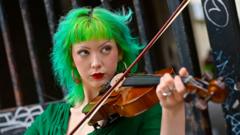
When roughly 800,000 visitors flood into a single city for eight days of non-stop fiddles, uilleann pipes, and street-corner céilís, normal life takes a back seat. That is exactly what happened as Fleadh Cheoil na hÉireann wrapped up its historic run in Belfast, marking a massive turning point for Ireland's cultural calendar.
If you missed out on the action this August, you missed more than just a few pub tunes. You missed a city-wide transformation that proved traditional music is far from a static museum piece—it is loud, crowded, and fiercely alive. If you liked this piece, you might want to read: this related article.
What the Fleadh Actually Is
Most casual tourists think of Ireland in terms of green hills, Guinness, and coastal drives. But the Fleadh Cheoil na hÉireann—run by Comhaltas Ceoltóirí Éireann—is something entirely different. It functions as the Olympics of traditional Irish music, song, language, and dance.
Instead of staying locked inside elite concert halls, the festival spills directly onto the pavement. Over 200 events scattered across local neighborhoods mean you can walk out of a grocery store and trip over a world-class accordion player holding court on the curb. For another perspective on this event, check out the recent coverage from Rolling Stone.
This year held special weight. Belfast took the baton as host for the very first time, showing off its credentials as a UNESCO City of Music. Northern Ireland hasn't hosted the event on this scale since Derry-Londonderry back in 2013, making this August gathering a rare milestone.
Breaking Down the Belfast Experience
Scale matters here. Pulling off an event welcoming nearly a million people takes logistical wizardry, but the soul of the festival remains grassroots.
Take the central outdoor stage outside Belfast City Hall, known widely as the Gig Rig. It ran free entry daily from morning until late evening, giving heavyweights like Sharon Shannon and her Big Band a massive platform without putting a dent in anyone's wallet.
Beyond the headline acts, the real magic happened in the details:
- Spontaneous pub sessions where amateur players and masters traded tunes shoulder-to-shoulder until dawn.
- The "Sharing Traditions" opening showcase, which fused traditional Irish sounds with Dhol drummers, Indian dancers, and Highland pipe bands to reflect Belfast's evolving identity.
- Over 180 fierce competitions where young musicians battled for All-Ireland titles, proving the next generation is keeping the tradition razor-sharp.
Why This Cultural Shift Matters Now
For years, large-scale music festivals face criticisms of becoming sterile, corporate cash-grabs. The Fleadh sidesteps this trap by keeping its core anchored in community competition and non-profit heritage preservation.
When you watch teenagers trade fast-paced reels on tin whistles outside Kelly's Cellars, you realize this isn't manufactured nostalgia. It's a living, breathing economy of skill and oral history passed down through decades.
Belfast embracing this role also signals a broader healing and shifting narrative for the region. Music acts as a universal equalizer here, drawing cross-community crowds that dissolve old geographic boundaries for the sake of a good rhythm.
If you're planning ahead, mark your calendar early. Belfast is set to host the Fleadh again, keeping the momentum rolling for another massive wave of international visitors. Book your accommodation six months out, pack comfortable shoes for miles of walking, and prepare to stay up way past your usual bedtime.
Watch the BBC News coverage of the Belfast Fleadh
This video captures the vibrant street atmosphere, young musicians, and unique cultural energy that defined the historic festival in Belfast.
http://googleusercontent.com/youtube_content/1