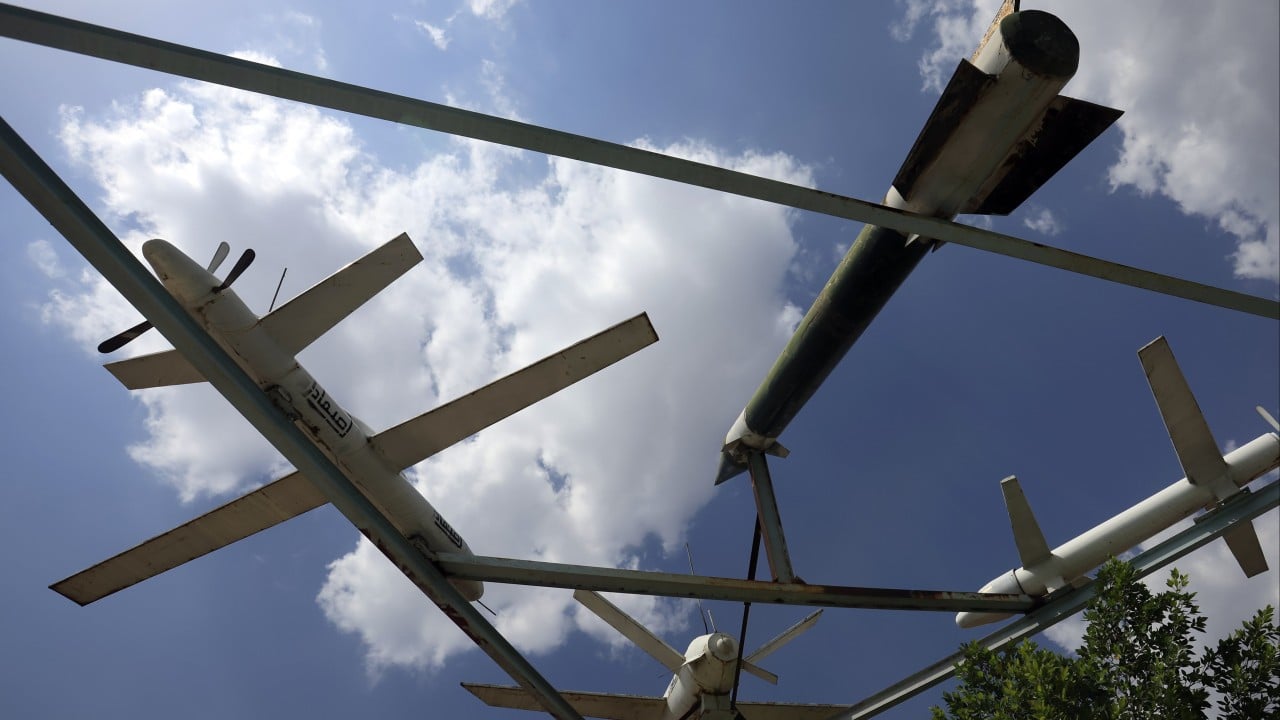
Yemen's internationally recognized government says it has taken allegations of Houthi access to Chinese technology directly to Beijing. That single diplomatic move cuts straight through years of quiet speculation over how a regional militia builds increasingly sophisticated drones and missiles while maritime shipping in the Red Sea and Bab el-Mandeb remains on edge.
Honestly, this isn't just a routine diplomatic note. It's a test of how Beijing handles accusations involving commercial and dual-use supply chains in an active war zone.
What Yemen Raised With Beijing
According to reporting on Yemeni government statements, officials brought concerns to Chinese counterparts over alleged Houthi efforts to source Chinese-made technology and components tied to weapons and drone production. Yemeni officials indicated that Beijing expressed interest in examining information to investigate, while reiterating support for Yemen's internationally recognized government and sovereignty.
Let's be clear about what that means in diplomatic terms. Raising a concern privately or publicly through official channels puts the receiving government on notice without automatically blowing up bilateral ties. China and Yemen mark seven decades of diplomatic relations in 2026, and Beijing maintains formal ties with the internationally recognized Yemeni government alongside broader economic and security messaging.
At the same time, independent researchers and investigative outlets have pointed to a messy reality on the ground. Groups like Conflict Armament Research have highlighted how illicit and gray-market supply chains can link commercial suppliers or shipping paperwork to weapons components recovered in conflict zones, even as reporters note that individual allegations often remain difficult to independently verify in full.
Dual-Use Tech vs. Direct State Weapons Transfers
People often lump "Chinese tech" into one big bucket. That's a mistake.
In modern conflicts, the gap between civilian goods and military utility is razor thin. Analysts and investigative reports point to dual-use items—things like drone electronics, precision machining tools, specialized metallurgy, and chemical precursors or fertilizers—alongside commercial satellite or data tools that can serve both everyday business and military applications.
There's a huge difference between a state government openly shipping missiles and a private trading company selling off-the-shelf electronics through third countries or shell intermediaries. Even when a shipment traces back to a Chinese supplier on paper, proving whether Beijing authorized it, missed it, or tolerated it takes hard evidence.
Here is why this distinction matters so much:
- Export controls have blind spots. Commercial components sold through brokers, re-labeled packaging, or transshipment hubs can slip past routine checks.
- Attribution takes forensic work. Investigators have to examine seized hardware, serial numbers, logistics trails, and customs records before drawing firm conclusions.
- Diplomatic leverage cuts both ways. A government can promise to investigate specific leads while still arguing that rogue actors or gray-market networks—not state policy—are behind any leaks.
Why the Red Sea and Regional Security Are Tied to This
You can't separate supply-chain debates over Yemen from shipping and regional escalation. Roughly 10 percent of global seaborne trade passes through the Bab el-Mandeb Strait, carrying energy, grain, fertilizers, and manufactured goods vital to markets worldwide.
Attacks on commercial vessels, cross-border strikes, and shifting front lines inside Yemen turn what sounds like a technical procurement story into an immediate economic and security problem. Chinese officials have repeatedly emphasized safe navigation in the Red Sea and Bab el-Mandeb and called for de-escalation, framing stability as essential for global commerce and developing economies.
Critics and regional observers, however, argue that words alone don't stop drone and missile proliferation if components keep finding their way into Houthi hands. Whether you view Beijing's posture as cautious diplomacy or strategic ambiguity, the pressure on supply-chain oversight is rising fast.
What to Watch Next
If you're tracking this story—whether for geopolitical risk, maritime trade, or defense supply chains—don't get caught up in viral claims without checking the receipts. A few concrete things to watch:
- Follow-through on investigations. Watch for any concrete enforcement actions, supplier crackdowns, or official responses after information is shared.
- Corroboration from technical monitors. Look for detailed hardware findings from groups like Conflict Armament Research or UN reporting rather than unverified social media claims.
- Maritime risk advisories. Check updates from shipping security trackers and insurers around the Red Sea and Bab el-Mandeb, since drone and missile capabilities directly affect commercial transit risk.
- Broader regional diplomacy. Pay attention to how talks involving Yemen, neighboring Gulf states, and major powers shape enforcement around sanctions, dual-use exports, and ceasefire efforts.