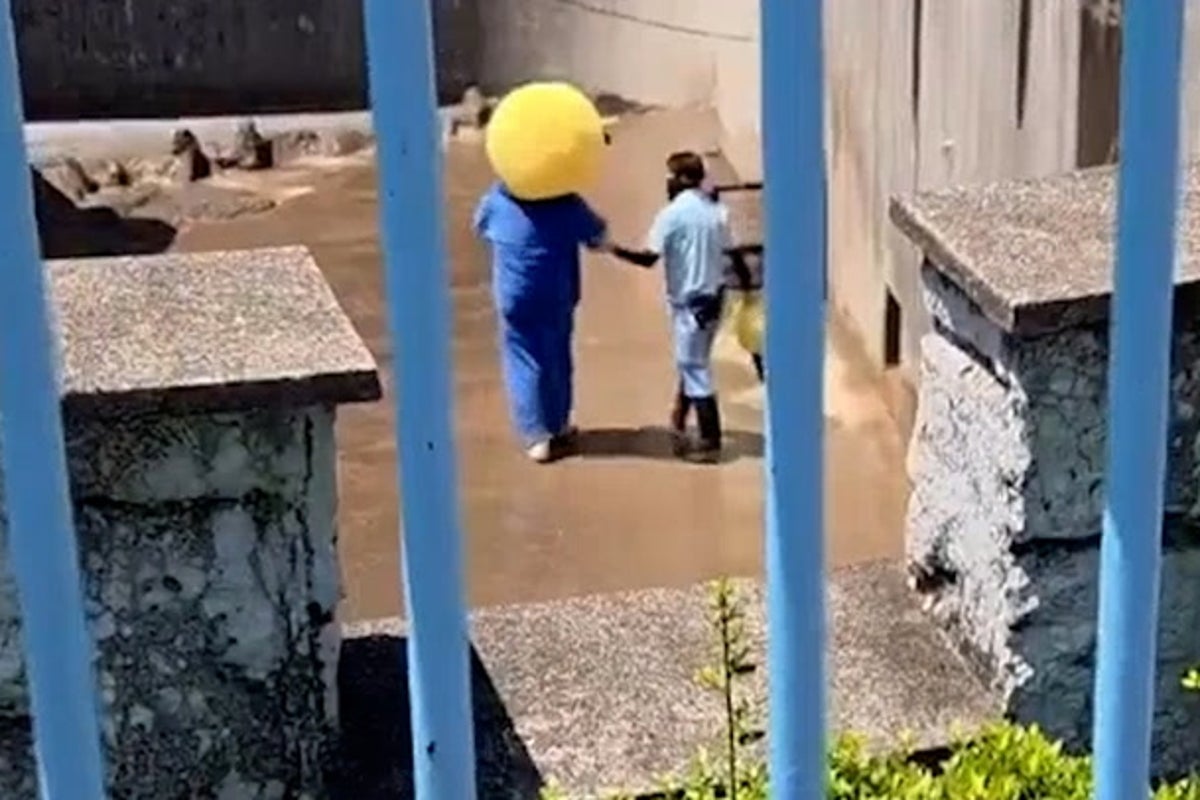
A tourist in an emoji costume just climbed into a primate enclosure to confront a monkey named Punch.
It sounds like a bad fever dream. It isn’t. This actually happened, and the video is currently racking up millions of views across social platforms. We see this cycle repeat every few weeks. A barrier gets breached. Someone films it. The internet laughs, gets outraged, and then moves on until the next stunt.
But behind the viral footage lies a broken system of zoo security and a dangerous shift in how people view captive wildlife.
People don't see wild animals as apex predators or sensitive creatures anymore. They see them as backdrops for TikTok content. When you mix the craving for digital clout with inadequate physical barriers, catastrophe is only a matter of time. Let's talk about what really happened, why our current zoo designs are failing, and how we fix this before another animal pays the ultimate price.
The Dangerous Reality Behind the Punch the Monkey Incident
The incident involving the primate known as Punch highlights a terrifying trend. A visitor wearing a bright, oversized novelty emoji suit bypassed safety perimeters and entered the direct living space of a powerful animal.
Primes are not toys. They possess immense physical strength, sharp teeth, and complex social hierarchies. Introducing a human dressed in a bizarre, brightly colored shape is a direct psychological assault on the animal's environment. It triggers an immediate fight-or-flight response.
When a human breaches these enclosures, zoos face an impossible choice.
If the animal attacks, the response teams must use lethal force to protect human life. We saw this tragedy play out globally with Harambe at the Cincinnati Zoo in 2016. The animal didn't ask for a human to enter its space, yet it suffered the ultimate consequence. Every time a creator jumps a fence for a joke, they sign a potential death warrant for the animal they're mocking.
Why Modern Zoo Barriers Are Failing
Most people think zoo enclosures are designed like prisons. They aren't. Modern zoological philosophy relies on landscape immersion.
Facilities use dry moats, hidden ditches, and low rock walls. The goal is beautiful. It makes you feel like you're sharing an open space with the animals. It looks great on camera, but it creates a psychological illusion of safety.
- The proximity illusion: Visitors feel closer to the animals, erasing their natural fear.
- Low physical resistance: Many secondary barriers are simple waist-high fences designed to say "please don't cross," not to actually stop a determined influencer.
- Understaffed monitoring: Zoos rarely have enough security personnel to watch every square inch of a park simultaneously.
This setup works perfectly when visitors respect the rules. It fails completely when someone decides that a viral video is worth more than their personal safety or the life of an endangered animal.
The Clout Culture Driving People Over the Fence
The root cause of these incursions isn't a lack of signage. It's an epidemic of main character syndrome.
Social media algorithms reward escalation. Standard zoo footage doesn't get views. A video of a person dancing in a costume inside an enclosure gets pushed to millions of feeds. The digital economy incentivizes reckless behavior, turning wildlife sanctuaries into backdrops for dangerous stunts.
We have normalized treating captive animals like animated GIFs. When people view life through a smartphone screen, reality detaches. The physical danger disappears in their minds. They forget that the glass, the moat, and the fences are the only things preventing a catastrophic medical emergency.
How Zoos Must Evolve to Protect Their Animals
Relying on the honor system is dead. Zoos must adapt their security infrastructure immediately to combat the rise of reckless behavior.
First, the financial cost of trespassing must skyrocket. Simple expulsion from the park is a joke. Facilities need to work with local law enforcement to pursue maximum criminal trespassing charges, heavy fines, and permanent bans across all global zoological associations. If you jump a fence, you should face jail time.
Second, technological monitoring must replace passive signs. Smart surveillance systems equipped with AI motion tracking can detect when a human body crosses a secondary perimeter line. These systems can instantly trigger audible alarms on-site and alert rapid-response security teams before the intruder even clears the main barrier.
Finally, zoos need to rethink the open design concept. Physical deterrents like angled glass panels, dense thorn-bush landscaping, and reinforced secondary netting can block access without ruining the view for respectful patrons.
If you visit a zoological park, stay behind the designated lines. Report any visitor attempting to scale barriers or harass the animals to park staff immediately. Do not engage with, share, or like viral videos that feature people trespassing in animal habitats. Starve these stunts of the attention they require to exist.