Most NFL fans think defensive tackles spend their afternoons doing one thing and one thing only: crashing into guards, plugging gaps, and stuffing the run. They aren't supposed to touch special teams unless they're blocking a kick. But football has a funny way of throwing conventional wisdom out the window when injuries strike.
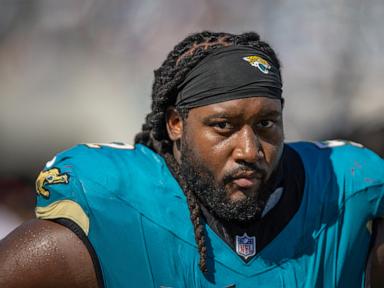
When Jacksonville Jaguars starting long snapper Ross Matiscik went down with a shoulder injury during a high-stakes matchup against the Philadelphia Eagles, the team didn't panic. They turned to a 335-pound defensive tackle named DaVon Hamilton. Meanwhile, you can find related developments here: Saracens Got It Wrong Again And Protecting Brands Beats Protecting People.
What happened next became one of the wildest secondary storylines of the 2026 NFL season.
The Unexpected Backup Plan
Preparation meets opportunity in the strangest ways. Hamilton wasn't plucked completely out of thin air. He actually practiced snapping a few times every week behind the scenes, just in case an emergency arose. He had briefly stepped into the role the previous season against the Tennessee Titans, but that was a comfortable blowout win where the pressure barely registered. To explore the bigger picture, we recommend the excellent analysis by FOX Sports.
Facing Philadelphia in Tottenham Hotspur Stadium was an entirely different beast. The game was tight, tempers flared, and penalties piled up. When Matiscik exited in the first half, the coaching staff had to make a choice. They handed the snapping duties to a massive defensive lineman who makes his living in the trenches.
Executing Under Pressure
Long snapping is one of those thankless jobs where you only notice the player when something goes wrong. A botched snap means a blocked kick, a missed field goal, or a disaster on a punt. For a 6-foot-4 interior lineman who spends his weeks absorbing double teams, snapping a football backward between his legs with
How DaVon Hamilton Saved the Jaguars Season with One Snap
sports
Football matches rarely hinge on a 320-pound defensive tackle pulling double duty as a long snapper. Yet, that is precisely where the Jacksonville Jaguars found themselves during an absolute mess of a game that somehow swung their way.
Most people watch the trenches and see only raw violence. Linemen crash into each other, bodies pile up, and yards disappear behind a wall of pads. But special teams chaos changes the math instantly. When injuries decimate a roster, game plans fly out the window. You don't care about scheme diversity or route trees anymore. You care about whether the football gets from the turf to the holder's hands without rolling across the grass.
Let us be completely honest about what happened. DaVon Hamilton is built to absorb double teams in the A-gap and stuff opposing running backs right at the line of scrimmage. He is not paid to sling spiral snaps back to the punter or kicker. When the team's primary snapping options went down due to injuries, the coaching staff looked at the bench, assessed the emergency, and pointed at a massive defensive tackle. Panic usually follows moments like that.
Instead, execution took over.
The Reality of Emergency Personnel in Modern Football
Fans tend to forget that NFL rosters operate on razor-thin margins. Sure, teams carry fifty-three players, but attrition hits hard by November and December. When a specialist goes down mid-game, position flexibility stops being a fun training camp talking point and turns into a survival mechanism.
Think about the mechanics of a long snap. It requires snapping the ball roughly eight yards backward with velocity, accuracy, and precise rotation so the laces face the right direction. Do this under immense pressure while exhausted from playing defensive snaps, and the degree of difficulty skyrockets. One high snap ruins a field goal. One low snap gifts the opponent a blocked punt and a short field.
Hamilton didn't blink. He stepped up, locked his hands, and delivered when the margins for error were microscopic. That kind of selflessness rarely shows up in traditional box scores. You won't find a flashy stat line celebrating a clean snap under duress. But winning football games depends entirely on guys who refuse to let a crisis sink the ship.
Why Unlikely Heroes Define Winning Franchises
Every Super Bowl contender relies on stars. Quarterbacks throw the touchdowns, edge rushers rack up sacks, and wide receivers make circus catches on Sunday afternoons. But those marquee players alone never carry a franchise through a grueling seventeen-game schedule.
Unlikely victories demand unsung contributors.
When a team pulls off a bizarre, messy win, look past the final score and study the bottom of the roster. Look at the backup offensive lineman forced to play out of position, the practice squad defensive back thrown into nickel coverage, or a defensive tackle firing clean snaps through freezing rain or stadium noise.
These moments reveal the true culture of a locker room. If players only care about their personal stats and designated roles, emergency situations fracture the team. When guys buy into the collective goal, they strap up wherever the coach points.
Moving Past the Box Score Mentality
Modern sports analytics loves numbers. We track pass rush win rates, expected points added, and separation metrics down to the millimeter. But numbers occasionally miss the sheer human grit required to survive an NFL Sunday.
You cannot quantify the mental toughness it takes to abandon your primary assignment and execute a high-stress technical skill you usually only practice during emergency drills in training camp. Hamilton spent most of the afternoon doing what he does best, anchoring the middle of the defense and fighting through fatigue. When the emergency call came, he treated it like just another assignment.
That mindset separates professional survivors from players who fold when things get chaotic.
Take a close look at how your own teams handle adversity, whether you are running a business, managing a project, or just watching sports. When the primary plan breaks down, panic solves nothing. Adaptability, trust, and a willingness to step outside your comfort zone make the difference between a total collapse and an ugly, unforgettable victory.
Step up, handle the unexpected responsibility, and keep the operation moving forward.