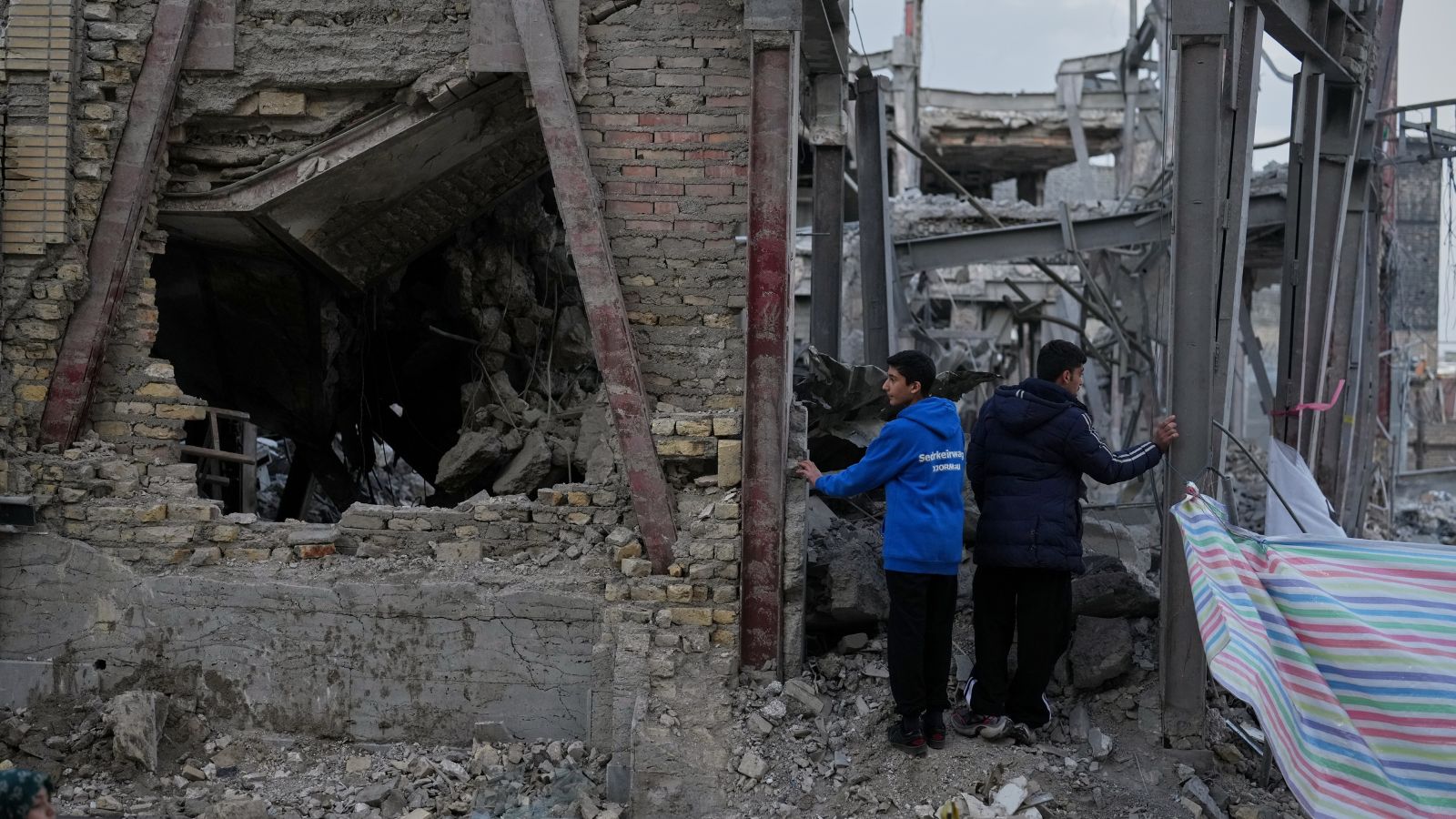
The deal currently sitting on the desks in Washington and Tehran is not a peace treaty; it is a stay of execution. After weeks of escalating strikes that have already scorched Iranian infrastructure and rattled the global energy market, the United States and Iran are reportedly weighing a two-phase plan centered on a 45-day ceasefire. The premise is straightforward. Phase one halts the kinetic fire to allow for the reopening of the Strait of Hormuz. Phase two attempts to solve the unsolvable: a permanent settlement involving Iran’s uranium stockpile and its regional proxy network.
But the 45-day window is a deceptive metric. In the high-stakes theater of Mideast diplomacy, time is rarely used to build trust. It is used to rearm, reposition, and wait for the other side to blink.
The Architecture of an 11th Hour Gamble
The urgency of this proposal stems from an ultimatum that feels more like a countdown to a regional reset. President Donald Trump has been explicit. If the Strait of Hormuz remains closed, the U.S. military transition from precision strikes on military assets to the systematic dismantling of Iran’s power grid and transportation networks. This is the "civilizational" threat that has forced mediators from Pakistan, Egypt, and Turkey into a diplomatic frenzy.
The proposed two-phase framework attempts to decouple the immediate maritime crisis from the broader ideological war.
- Phase One: A 45-day cessation of hostilities. Iran reopens the Strait of Hormuz to international shipping, and the U.S. pauses its bombing campaign.
- Phase Two: A comprehensive "Final Deal." This would involve Iran shipping its highly enriched uranium out of the country and potentially freezing the activities of its regional allies in exchange for significant sanctions relief.
The flaw in this logic is historical. Iranian negotiators, led by Foreign Minister Abbas Araghchi, have watched previous temporary truces in Gaza and Lebanon dissolve into even more intense violence once the clock ran out. Tehran isn't looking for a breather. It wants a guarantee that the U.S. won't simply use the 45 days to identify better targets.
The Shadow of the Strait
The Strait of Hormuz is the only card Iran has left to play, and they are playing it with a desperate hand. By choking off 20% of the world’s petroleum liquids, Tehran has successfully turned a regional conflict into a global economic heart attack.
However, this leverage is a double-edged sword. The U.S. has signaled that the reopening of the waterway is non-negotiable and must be "immediate and safe." For the Iranian leadership, surrendering this leverage during phase one without a guaranteed, permanent end to the war in phase two feels like a strategic suicide. If they open the gates and the negotiations fail on day 46, they lose their only shield against the "stone age" bombing campaign the White House has threatened.
Backchannels and Broken Trust
The negotiations are currently a game of telephone. There is no direct table. Messages move from U.S. envoy Steve Witkoff through Pakistani intermediaries to Araghchi. This layer of separation allows for plausible deniability, but it also breeds catastrophic misunderstanding.
The U.S. sees the 45-day window as a test of Iranian sincerity. Iran sees it as a trap designed to strip them of their maritime defenses. Meanwhile, the internal pressure within Iran is reaching a breaking point. Rolling blackouts and the specter of "human chains" around power plants suggest a regime that is both defiant and deeply rattled.
Reliability is the ghost at the feast. The Iranian delegation has repeatedly pointed to the fact that the U.S. has struck targets during previous rounds of indirect talks in Oman and Rome. When trust is at zero, a 45-day pause isn't a bridge. It’s a ledge.
The Cost of the Second Phase
If phase one is about the plumbing of global trade, phase two is about the soul of the Iranian state. The U.S. demand for a "complete dismantling" of enrichment capabilities is a demand for a different Iran. It asks the Islamic Republic to abandon its nuclear deterrent and its regional influence in one fell swoop.
Observers who have spent years in these rooms know the pattern. Iran offers "confidence-building measures"—a slight reduction in enrichment or a pause in drone shipments—while the U.S. demands "total compliance." These two positions are not on the same map, let alone in the same room.
The 45-day ceasefire might stop the missiles for six weeks, but it does nothing to address the fundamental reality that both sides believe the other is negotiating in bad faith. The U.S. believes Iran only talks when it is afraid. Iran believes the U.S. only talks when it is preparing for a larger strike.
As the 8:00 p.m. deadline approaches, the world is holding its breath for a 45-day reprieve. But we should be careful what we wish for. A pause that fails to lead to a permanent solution is often just the silence before a much louder explosion.
If the deal is signed, the clock starts. If day 45 arrives without a signature on the phase two documents, the strikes won't just resume. They will escalate to the very targets the U.S. has spent this "peace" period mapping out.