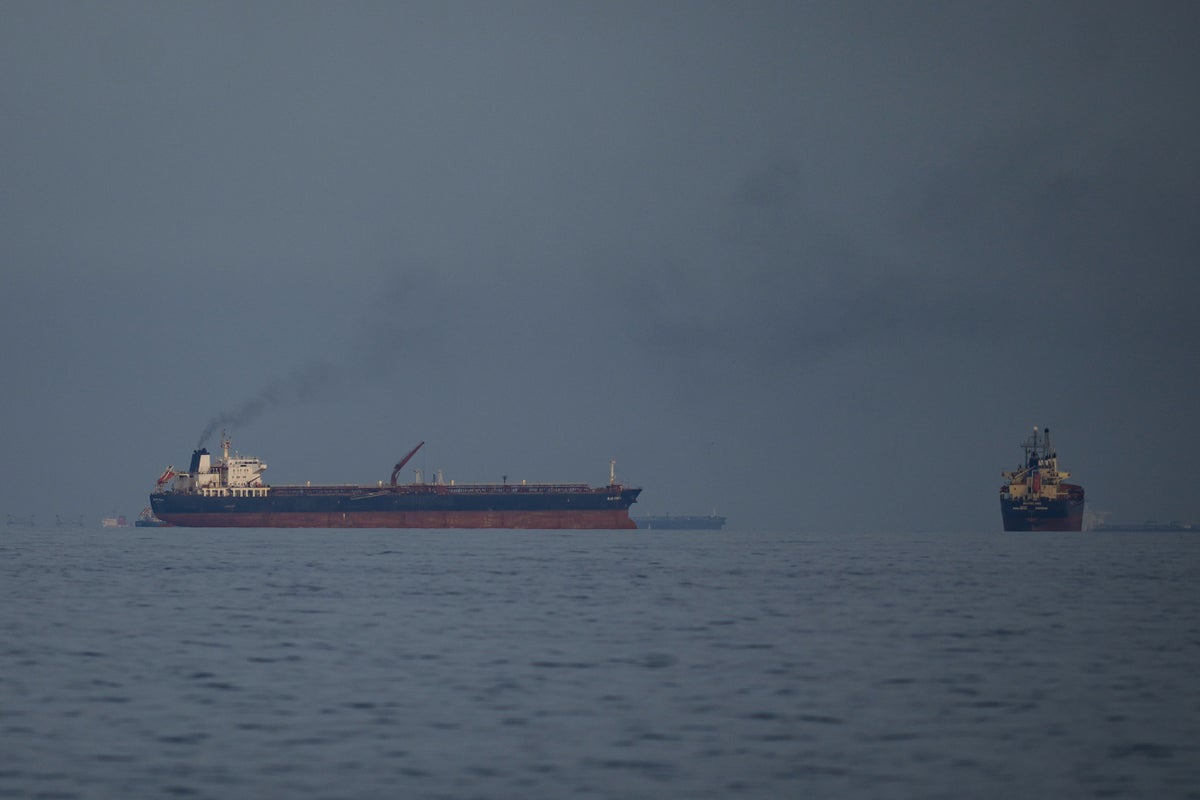
The global maritime order is currently facing a structural breakdown that transcends simple diplomatic disagreement. As of March 2026, the Strait of Hormuz—a chokepoint accounting for 21% of global petroleum liquids and 19% of liquefied natural gas (LNG) consumption—has transitioned from a high-risk transit zone into an active "Kill Zone." While Washington demands a unified naval front to reopen the waterway, the refusal of key allies like Japan, Germany, and France to commit kinetic assets is not an act of passivity. It is a calculated response to a fundamental misalignment between U.S. "Maximum Pressure" tactics and the survival requirements of energy-dependent economies.
The Triad of Deterrence Failure
The collapse of the proposed maritime coalition is driven by three distinct structural bottlenecks that render conventional naval escort missions tactically unviable for most sovereign states.
1. The Strategic Decoupling of Mission Objectives
The primary friction point lies in the definition of the mission. The United States views maritime security as a subset of its broader "Maximum Pressure" campaign against Tehran. For European and Asian allies, however, the objective is strictly limited to the preservation of the Rules-Based International Order (RBIO) and the physical security of hull and cargo. Joining a U.S.-led "Operation Sentinel" or its 2026 equivalents forces allies to implicitly endorse an escalatory framework that lacks a clear diplomatic off-ramp.
2. The Cost Function of Hybrid Maritime Denial
Conventional naval power—centered on high-value assets like the USS Nimitz—is facing a diminishing return on investment against asymmetric threats. The proliferation of Beijing-sourced "electric stack" technologies, including autonomous underwater vehicles (UUVs) and AI-coordinated drone swarms, has shifted the cost-exchange ratio.
- Offensive Cost: Low-cost loitering munitions (approximately $20,000 to $50,000 per unit).
- Defensive Cost: Multi-million dollar interceptor missiles (SM-2 or Aster-15) and the operational wear on aging destroyer fleets.
Allies recognize that a handful of frigates cannot neutralize a persistent, decentralized threat that the U.S. Fifth Fleet has yet to fully contain.
3. The Legal Fragmentation of Transit Rights
A critical misunderstanding exists regarding the United Nations Convention on the Law of the Sea (UNCLOS). While Article 38 grants the right of "transit passage" through international straits, Iran—a non-signatory to the 1982 convention—maintains a "innocent passage" standard. This legal nuance allows Tehran to claim jurisdiction over "suspicious" vessels, effectively using lawfare to justify seizures. For countries like Japan and South Korea, participating in an aggressive U.S. escort mission risks a permanent legal reclassification of their commercial fleets as "combatant-adjacent," stripping them of protections under neutral maritime law.
The Sovereign Risk Assessment: Japan and South Korea
The reluctance of East Asian powers is rooted in a specific energy-security paradox. Japan imports 95% of its crude oil from the Middle East, with 70% transiting the Strait. Under the Takaichi administration, Tokyo has signaled that the threshold for a Self-Defense Force (SDF) deployment is "extremely high" because such a move would likely trigger a permanent cessation of Iranian oil exports to Japan, which Tokyo still views as a necessary long-term hedge.
South Korea’s hesitation is further complicated by its domestic legislative environment. The 2020 expansion of the Cheonghae unit was a temporary, independent measure designed to satisfy U.S. burden-sharing demands without joining the formal command structure of Operation Sentinel. In 2026, the South Korean opposition parties have flagged "combat intervention" as a constitutional redline. Seoul is effectively prioritizing the stability of its domestic fuel price caps over the geopolitical optics of the Takaichi-Trump summit.
The European Alternative: EMASoH vs. IMSC
The divergence in the West is best illustrated by the competition between two maritime frameworks:
- International Maritime Security Construct (IMSC): A U.S.-led body that integrates intelligence and command, viewed by critics as a tool for enforcing unilateral sanctions.
- European Maritime Awareness in the Strait of Hormuz (EMASoH): A de-escalatory observation mission headquartered at the French naval base in Abu Dhabi.
France and Germany have consistently opted for the latter, arguing that a visible military buildup by "The West" validates the Iranian narrative of foreign encroachment. By maintaining a distinct command structure (such as the expansion of Operation Aspides), Europe attempts to protect its merchant shipping while maintaining a "diplomatic channel of last resort" with Tehran—a channel that is severed the moment a German frigate fires an interceptor in support of a U.S. carrier group.
The Economic Breakdown: Why Escorts Fail the Market
The demand for warships ignores the reality of the global insurance market. When the P&I (Protection and Indemnity) clubs abrogate war-risk coverage, as they have done in early March 2026, the presence of a naval escort does not automatically restore commercial viability.
- Insurance Premiums: The cost of insuring a VLCC (Very Large Crude Carrier) through a "Kill Zone" can exceed the value of the cargo itself.
- Logistical Lag: Naval convoys require "grouping" of merchant ships, which disrupts the Just-In-Time (JIT) delivery requirements of modern refineries.
- The Shadow Fleet Factor: The emergence of Russia’s "shadow fleet"—uninsured, aging tankers—has created a secondary, high-risk logistics layer that operates outside of allied protection frameworks, further diluting the effectiveness of a formal naval coalition.
Strategic Outlook
The current impasse will not be resolved through social media pressure or bilateral threats. The reality is that the Strait of Hormuz has become a theatre where traditional naval deterrence is structurally obsolete. Any state committing warships to this environment is accepting a high probability of kinetic engagement for a low probability of total waterway reopening.
The strategic play for the United States is to decouple maritime security from the "Maximum Pressure" campaign. Until the mission is redefined from "containment of Iran" to "neutral protection of the RBIO," allies will continue to favor strategic autonomy over coalition participation. For the global energy market, the focus must shift from naval escorts to the diversification of transit—specifically the acceleration of pipelines bypassing the Strait through Saudi Arabia and the UAE—as the only permanent solution to the Hormuz vulnerability.
Would you like me to develop a comparative analysis of the cargo capacity and operational readiness of the East-West Pipeline versus the current Hormuz transit volumes?