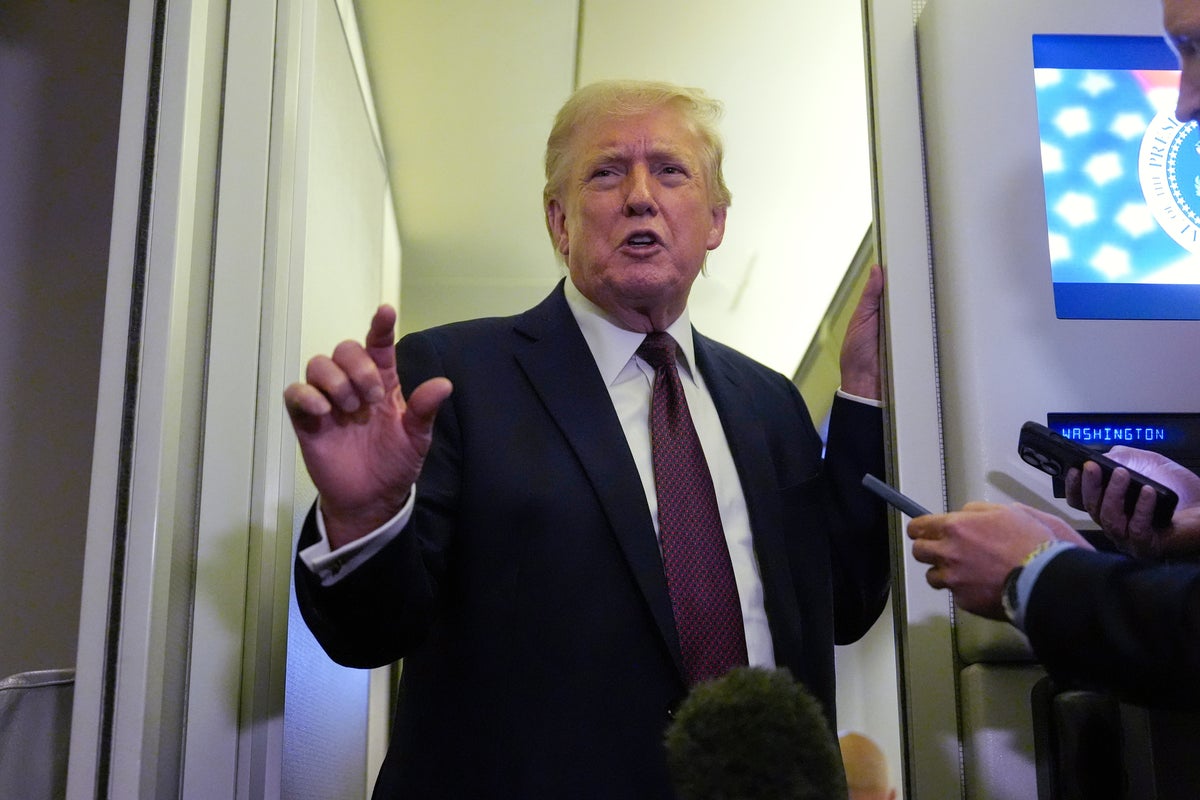
Don't expect a straight answer from the White House when it comes to the logistics of the current war with Iran. On Monday, President Donald Trump didn't just dodge a question about a major troop deployment—he went for the jugular. When an ABC News reporter pressed him on why 5,000 Marines and sailors were being sent toward the Strait of Hormuz, the President's response wasn't about strategy. It was a personal takedown.
"You're a very annoying person," Trump told the journalist during a press gaggle. He didn't stop there, later calling her "obnoxious" and labeling her network "the most corrupt on the planet." It’s a classic move from the Trump playbook: when the questions get too specific about military boots on the ground, turn the heat on the person holding the microphone.
But insults don't change the reality in the Persian Gulf. We're currently seeing the most aggressive buildup of American naval and ground forces in the region since the 2003 Iraq War. While the administration claims the military's role is mostly about "securing the peace" and keeping oil flowing, the sheer scale of this movement suggests something much more permanent—and much more dangerous.
The 5,000-man question the President won't touch
The tension in the briefing room isn't just about personality clashes. It's about the math. The deployment in question involves roughly 5,000 personnel—a mix of Marines and sailors—tasked with "stabilizing" the vicinity of the Strait of Hormuz.
Why does this matter? Because for weeks, the administration has tried to frame the conflict as a surgical, air-and-sea-only operation. Bringing in thousands of Marines changes the narrative. It signals the potential for ground operations, embassy security reinforcements, or even "visit, board, search, and seizure" missions on Iranian vessels.
The Pentagon is already stretched thin. Here's a quick look at the current U.S. naval footprint in the Middle East compared to previous major conflicts:
- Operation Desert Storm (1991): 6 Aircraft Carriers
- Operation Iraqi Freedom (2003): 5 Aircraft Carriers
- Current Iran Conflict (March 2026): 2 Aircraft Carriers (with the USS Gerald R. Ford arriving)
While we haven't reached 1991 levels yet, 41% of the Navy's entire "ready" fleet is currently sitting in or around the Middle East. That’s a massive commitment that leaves other global hotspots, like the South China Sea, dangerously exposed.
Why the Strait of Hormuz is the world's biggest headache
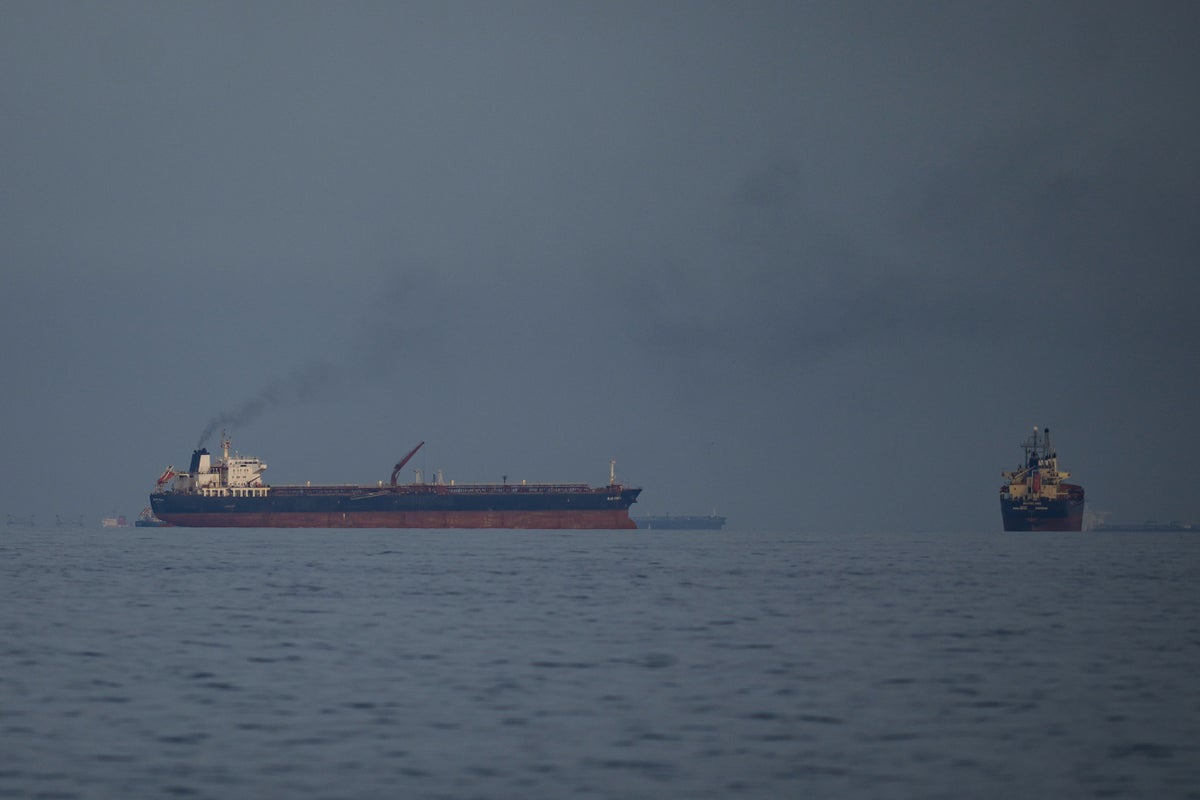
The reason Trump is so prickly about these 5,000 Marines is that they’re being sent into a meat grinder. Iran effectively closed the Strait of Hormuz on March 1. Since then, tanker traffic is down by a staggering 90%.
You’ve probably felt it at the pump. Oil prices aren't just rising; they're spiking because 20 million barrels of oil normally pass through that 21-mile-wide choke point every single day. Iran has been using drones, missiles, and fast-attack boats to harass anything that tries to move.
Trump has been begging at least seven other countries to send their own warships to help open the "Hormuz gate." So far? Crickets. Most allies are terrified of being dragged into a full-scale ground war. By sending 5,000 of our own, the U.S. is essentially saying we'll do it ourselves—but the White House doesn't want to admit how much that’s going to cost in both dollars and lives.
The hidden cost of "Maximum Pressure"
The financial toll is already eye-watering. In just the first week of this campaign, the U.S. burned through $11.3 billion in munitions. That’s billion with a "B." We’re talking about Tomahawk missiles and precision-guided bombs being dropped like they’re going out of style.
And then there’s the human cost. While Trump claims the Iranian military is "decimated," the U.S. has already seen 13 service members killed and 200 wounded. Just last week, six Americans died in a tanker plane crash in Iraq. When reporters ask about these numbers, or about fundraising emails that use images from "dignified transfer" ceremonies at Dover Air Force Base, that’s when the "obnoxious" and "fake news" labels start flying.
The disconnect between rhetoric and reality
There’s a massive gap between what the President says on Truth Social and what’s actually happening on the ground in Tehran.
Trump claims there is "practically nothing left to target" and that he might bomb oil facilities on Kharg Island "just for fun." But intelligence reports from the Washington Post tell a different story. They suggest the Islamic Revolutionary Guard Corps (IRGC) isn't crumbling—it's actually consolidating power.
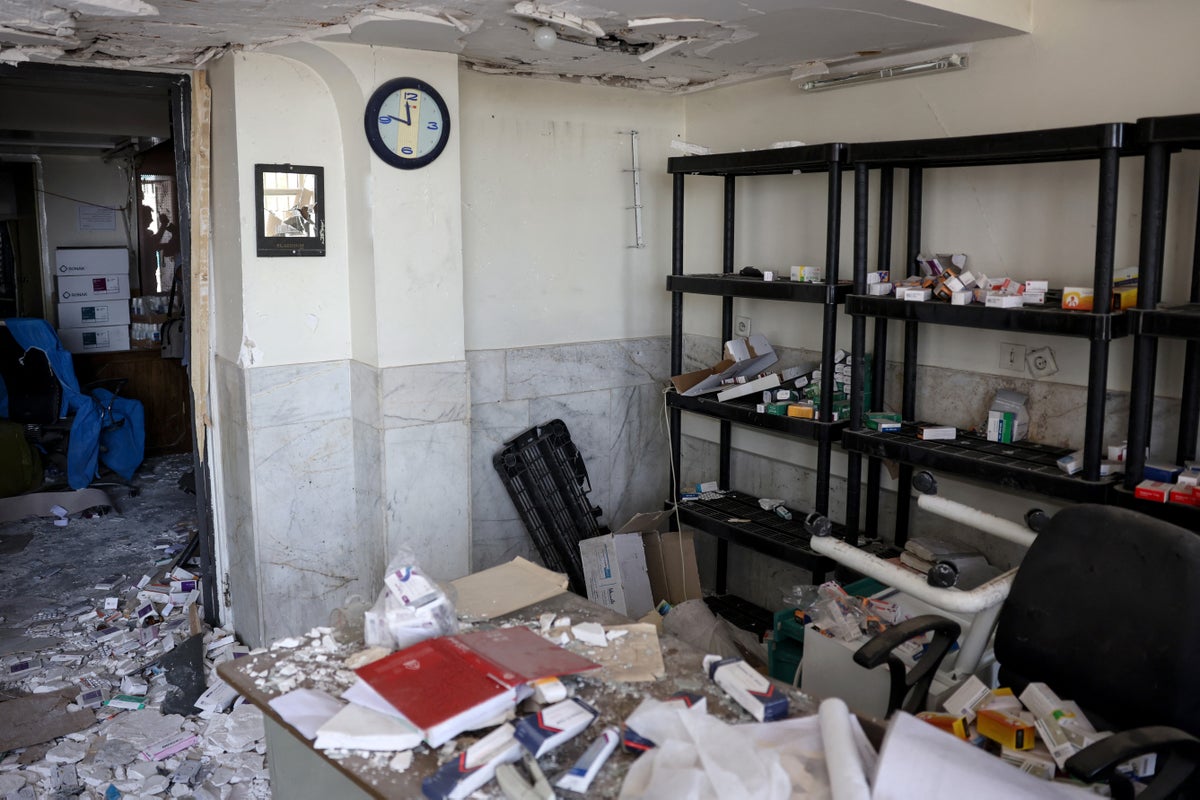
We’re also seeing a terrifying spillover effect. Iran has started retaliating against U.S. allies like Kuwait, Saudi Arabia, and the UAE. A drone strike recently closed the Dubai airport. Trump says he was "shocked" by this, but his own intelligence team warned him this was a likely outcome.
What happens next for U.S. troops
If you're looking for a quick exit strategy, don't hold your breath. The administration is digging in. Despite the insults thrown at journalists, the questions about those 5,000 Marines aren't going away. They are the leading edge of a much larger buildup.
Here’s what you should watch for in the coming days:
- Naval Escorts: Watch if the 5,000 Marines start boarding commercial tankers to provide "security details." This is a high-risk move that could lead to direct firefights with Iranian boarders.
- Kharg Island: Keep an eye on the "crown jewel" of Iran’s oil industry. If Trump follows through on his threat to "obliterate" the infrastructure there, global oil markets will go into a total meltdown.
- The Draft/Reserve Calls: With 41% of the Navy already committed, the Pentagon might have to start looking at extended deployments or calling up more reservists to maintain this pace.
If you have family in the service or investments in energy, now is the time to pay very close attention to the actual troop movements, not just the headlines about who the President called "annoying" today. The distraction is the point. Don't let the noise in the briefing room hide the fact that we're drifting closer to a generational conflict.