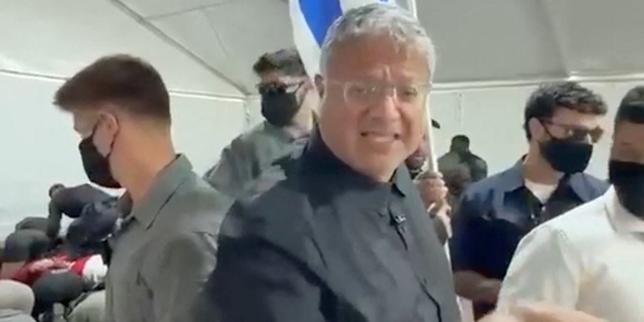
Israel's National Security Minister Itamar Ben Gvir just dropped a video that set the internet on fire. It shows activists from the Flottille pour Gaza bound, blindfolded, and forced onto their knees. This isn't just another social media post. It's a calculated political stunt that backfired internationally, showing the deep rot in how state-sanctioned social media accounts handle human rights.
Ben Gvir shared the footage across his official channels. He wanted to project power. Instead, he handed human rights organizations a smoking gun. The images look less like a standard security operation and more like deliberate public humiliation.
You need to understand the context here. The Freedom Flotilla Coalition regularly tries to break the maritime blockade of the Gaza Strip to deliver humanitarian aid. Israel views these actions as direct provocations and violations of its naval blockade. When the military intercepted the latest vessel, it was already a high-stakes geopolitical moment. Ben Gvir turned it into a circus.
The Reality Behind the Flottille pour Gaza Footage
The video shows a group of international activists lined up on the deck of a boat. Their hands are zip-tied behind their backs. Dark blindfolds cover their eyes. They're forced to kneel on the hard deck under the baking sun.
Security forces doing their jobs don't usually broadcast these moments like a trophy hunt. That's the core issue. Human rights lawyers point out that treating detainees this way violates international standards on the treatment of prisoners. Specifically, Article 3 of the Geneva Conventions strictly prohibits outrages upon personal dignity, including humiliating and degrading treatment.
Ben Gvir didn't care about the legalities. He captioned the video with triumphalist language, bragging about the tough stance Israel takes against those who try to breach its borders. He wanted to score cheap political points with his far-right base. He got his headlines, but he also triggered a massive diplomatic headache for Jerusalem.
Why This Specific Video Caused a Global Outcry
Context matters. The world is watching the region with extreme scrutiny. Pictures of bound aid workers don't play well when millions face starvation.
European governments immediately demanded explanations. Several activists on the boat held passports from EU nations. When a state minister posts videos of your citizens tied up like prisoners of war, diplomats get angry fast. It creates a massive double standard. Imagine the reaction if another nation posted similar videos of Israeli citizens. The outrage would be deafening.
Humanitarian organizations like Amnesty International and Human Rights Watch have long criticized Ben Gvir's rhetoric. They argue that this video isn't an isolated incident. It's part of a broader pattern of dehumanization. By broadcasting the video, the minister gave validity to accusations that Israel treats aid workers and political dissidents as enemy combatants rather than civilians.
The Strategy of Public Humiliation as Politics
Ben Gvir built his entire career on being a provocateur. He thrives on controversy. For him, the backlash isn't a failure. It's the goal.
This strategy appeals directly to an electorate that feels the government has been too soft. By showing immediate, harsh consequences for the Flottille pour Gaza activists, he positions himself as the only politician willing to get his hands dirty. It's a classic populist tactic. You create a clear us-versus-them narrative, then you film yourself winning.
But the cost to Israel's international standing is massive. Moderate Israelis and military officials often find themselves cleaning up the mess left by these social media posts. The Israel Defense Forces often prefer quiet operations. They want to detain people, process them, and deport them without creating international incidents. Ben Gvir's need for likes and shares completely derails that professional approach.
Legal Implications of Broadcasting Detainee Footage
Can a government minister legally post videos of blindfolded detainees? It's a gray area domestically, but internationally, it looks terrible.
Legal experts argue that broadcasting images of helpless detainees violates their right to privacy and dignity under international law. When a state actor does it, it implies official policy. It tells the soldiers on the ground that this behavior is acceptable. It encourages the performative mistreatment of prisoners for digital clout.
- Geneva Convention violations: Captives must be protected from public curiosity.
- Consular access issues: Foreign embassies were denied immediate info on their citizens shown in the clip.
- Operational security risks: Showing tactics and faces of security personnel can compromise future missions.
This isn't just about hurt feelings. It complicates legal proceedings. If these activists face charges, their defense teams can easily argue that a fair trial is impossible after a senior government official publicly branded them as criminals on Telegram and X.
How to Track and Verify Humanitarian Sea Missions
Don't just take a politician's word for what happens at sea. You can track these events yourself. When a flotilla sets sail, independent journalists and maritime tracking tools offer unbiased data that cuts through the propaganda from both sides.
Use platforms like MarineTraffic or VesselFinder to track the coordinates of civilian ships. When a vessel suddenly stops communicating or its Automatic Identification System goes dark near the exclusion zone, you know an interception is happening. Cross-reference those timestamps with the official statements issued by the military. This prevents you from falling for edited videos that distort the timeline of events.
Look at the raw, unedited footage from the activists themselves before their devices are confiscated. The contrast between what the activists film and what Ben Gvir posts tells the real story. It exposes the narrative spin in real time.
Monitor the official updates from the Freedom Flotilla Coalition and verified human rights observers who maintain contact with the crews via satellite phones until the final moments of the raid. Comparing these live updates with state-issued media allows you to identify discrepancies in the official narrative, such as the exact location of the vessel during the boarding action and whether it was in international waters.
Keep a close eye on the statements from the home countries of the detained activists. When governments like Spain, Sweden, or Turkey demand the release of their citizens, they often publish verified details about the condition and treatment of the detainees that contradict the theatrical presentation found on political social media accounts. Use these independent data points to build an accurate picture of the event rather than relying on political theater.