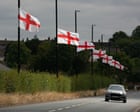
You have probably noticed them if you have walked down any major British high street lately. St George's crosses and Union Jacks tied securely to lampposts, traffic lights, and painted across mini-roundabouts. What started as a quiet localized trend has ballooned into a nationwide flashpoint.
Birmingham City Council is now pursuing a high court injunction to stop anti-migrant groups from erecting unauthorised flags on public infrastructure. It is a messy battle. On one side, organizers claim it is simple patriotism. On the other, local residents and authorities argue it is an aggressive intimidation tactic.
Let us look at what is actually happening on the ground and why this legal move was inevitable.
The Roots Of Operation Raise The Colours
The phenomenon largely traces back to a movement known as "Raise the Colours", which gained massive traction across the Midlands. Groups like this and local splinter cells began stringing up flags on public property without permission from the highways authority.
At first, local councils dragged their feet. Residents in Birmingham spent months presenting local authorities and police with video evidence, photos, and complaints about confrontations. Many felt the city was giving free rein to activists who were turning public spaces into political battlegrounds.
The turning point did not just come from aesthetics or planning laws. It came down to safety.
Why An Injunction Became The Only Option
Hanging objects from public highway infrastructure is illegal without proper permits. But the issue escalated far beyond a simple council tax or planning violation.
When council contractors or local residents tried to take the flags down, things turned ugly. Reports surfaced of workers facing intense harassment, obstruction, and even being followed back to their yards. In May, tensions boiled over into physical violence when a man was seriously injured in a hit-and-run incident after locals gathered to remove flags in a Birmingham suburb.
Oxfordshire County Council faced a identical crisis earlier. They went to the High Court and secured a permanent injunction after workers faced abuse and intimidation. Birmingham is now using that exact blueprint. The council's legal action targets specific prominent organizers by name alongside a catch-all for unknown actors, aiming to criminalize the unauthorized hijacking of public property.
Community Cohesion Versus Performative Nationalism
Activists maintain they are innocent champions of unity. They argue they just want to see Britain covered in symbols of national pride.
Critics see a completely different reality. For minority ethnic residents, the sudden proliferation of these flags—often tied directly to anti-migrant rhetoric and protests outside asylum seeker hotels—feels deeply unwelcoming. It is designed to demarcate territory and signal exclusion.
The law doesn't ban flying a flag on your own private house or flagpole. What local authorities are stopping is the unlawful appropriation of public assets to push a polarizing political agenda. Public lampposts belong to everyone, not just the loudest group with a ladder and a bundle of zip ties.
Expect other local authorities to follow suit as courts signal zero tolerance for highway obstruction disguised as grassroots culture wars.
Birmingham Council accused of giving 'free rein' to group erecting England flags
This video provides an overview of the tensions in Birmingham regarding the controversial flag-raising campaigns and the local community's response.