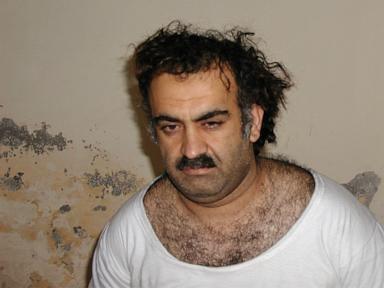
More than twenty-five years after hijacked airliners crashed into the World Trade Center, the Pentagon, and a Pennsylvania field, the architect of the attacks still hasn't faced a jury.
A U.S. military judge has officially set June 5, 2028, as the trial date for Khalid Sheikh Mohammed and three co-defendants. Air Force Lieutenant Colonel Michael Schrama pushed the start back from a proposed January 2027 window requested by prosecutors. Why? Because the legal machinery of the Guantanamo Bay military commissions remains completely bogged down by a mountain of unresolved pretrial motions and evidentiary fights.
If you are wondering why justice takes decades in this case, the answer lies in a toxic mix of classified evidence disputes, CIA interrogation fallout, and political interference.
The Endless Legal Quagmire at Guantanamo Bay
The core obstacle keeping Khalid Sheikh Mohammed off the stand isn't a lack of paperwork. It is the shadow of torture.
Following his capture in Pakistan in March 2003, Mohammed was held in clandestine CIA black sites. There, he was subjected to brutal interrogation techniques, including waterboarding. Defense attorneys have spent years arguing that these admissions are legally tainted. Under military commission rules, statements extracted through torture are inadmissible.
Sorting out what evidence survives judicial scrutiny creates a massive bottleneck. Prosecutors want a fast timeline. Judges keep realizing that rushing the schedule guarantees an appellate disaster later.
The Collapsed Plea Deal That Reset the Clock
To understand the current mess, you have to look at what happened right before this ruling.
Last year, a tentative agreement threatened to bypass a trial entirely. Prosecutors and defense lawyers negotiated a deal where Mohammed and two co-defendants would plead guilty. In exchange, they would escape the death penalty, accepting life imprisonment instead.
The deal blew up politically almost immediately.
Victim family members were furious. Lawmakers balked. Defense Secretary Lloyd Austin revoked the arrangement, pulling support out from under the negotiated terms. A federal appeals court ultimately threw the plea agreements out entirely. That legal defeat forced the military court back to square one, leaving capital punishment squarely back on the table and triggering the need for a full, grueling trial.
Who Else Is Facing Trial
Mohammed isn't sitting alone in this legal limbo. He stands trial alongside three other remaining detainees at the naval base in Cuba:
- Walid bin Attash
- Ali Abdul Aziz Ali
- Mustafa al-Hawsawi
Each faces charges related to facilitating, financing, or directing the logistics of the 2001 hijackings. Like Mohammed, their paths through the military commission system have been plagued by endless procedural hurdles, judge rotations, and defense challenges regarding government transparency.
Will June 2028 Actually Stick?
Don't mark your calendar just yet.
Judge Schrama explicitly noted that the 2028 timeline depends entirely on strict adherence to upcoming legal deadlines and milestones. Previous trial dates, including a high-profile push targeting 2021, vanished entirely when legal disputes boiled over.
Until the military commissions resolve what classified documents can be shared and how past interrogations impact courtroom testimony, the clock keeps ticking toward a milestone that may move again.