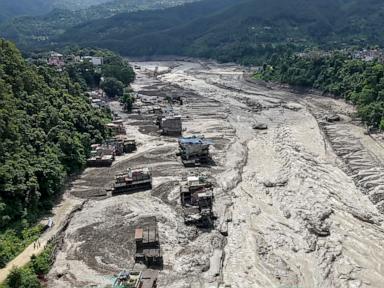
Every monsoon season, the headlines write themselves. Rivers swell, bridges collapse, and tourists get stranded in the Himalayas. The mainstream narrative rolls out its predictable script about freak weather events, climate tragedies, and the unstoppable wrath of nature.
It is a convenient lie.
It lets governments off the hook for decades of infrastructure neglect. It absolves tourism boards that market high-risk passes during prime monsoon windows. And it reduces systemic human failure to a simple act of God. Americans and international travelers reported missing in Nepal floods do not vanish because the weather is unpredictable. They vanish because the machinery of adventure tourism relies on a dangerous illusion of managed wilderness.
Let us dismantle the lazy consensus.
The Myth of the Managed Wild
When people book a trek through the Annapurna or Everest regions, they are buying a fantasy. Brochures sell rugged authenticity wrapped in corporate safety nets. You get a guide, a local SIM card, and the comforting thought that a helicopter can pluck you off a ridge at a moment's notice.
That fantasy shatters the second a flash flood takes out a suspension bridge.
The industry loves to talk about unexpected cloudbursts. But precipitation data in South Asia is not a mystery. Meteorologists know when the monsoon peaks. They know catchment areas are compromised. Yet, operators continue to push itineraries deep into remote valleys because peak season equals peak revenue.
I have watched agencies downplay severe weather warnings to protect commission margins. When local authorities flag rising water levels, the corporate response is rarely immediate evacuation. It is calculated hesitation. They wait to see if the trail holds. By the time they realize it does not, the access roads are already rivers of mud.
Infrastructure Amnesia
Let us talk about what happens after the water recedes. The news cycle moves on. The tourism board issues a sanitized press release about resilience and rebuilding.
Nothing changes.
Roads are rebuilt in the exact same floodplains. Unregulated hydro projects alter river flows upstream without environmental impact assessments that actually account for extreme weather variability. Drainage systems in mountain settlements are built for the twentieth century, not for modern, intense precipitation spikes fueled by regional deforestation.
When foreign nationals go missing, embassies issue advisories, and social media fills up with prayers. But nobody asks why trails that are known death traps during heavy rains remain open without mandatory gate closures.
Insurance companies are equally complicit. They write policies covering evacuation without enforcing baseline risk standards on the ground. As long as the premiums clear, the policyholder is marched straight into a hazard zone with a cheerful smile and a poorly maintained map.
The Real Cost of Adventure Tourism
Adventure tourism in Nepal is a multi-million-dollar engine. It employs thousands of porters and guides who bear the brunt of every bad decision made at a desk in Kathmandu. When a disaster strikes, wealthy tourists get priority rescue slots while local support staff are left to fend for themselves.
We need to stop romanticizing disaster response and start demanding accountability before the boots hit the trail.
If you are planning a trek, throw away the glossy brochures. Stop treating weather forecasts as negotiable guidelines. Understand that when local infrastructure fails, your insurance policy is just a piece of paper floating down a swollen river.
The next time a headline breaks about missing travelers in the Himalayas, do not look at the clouds. Look at the balance sheet.
Demand better answers from the people selling you the mountain. Or stay home.