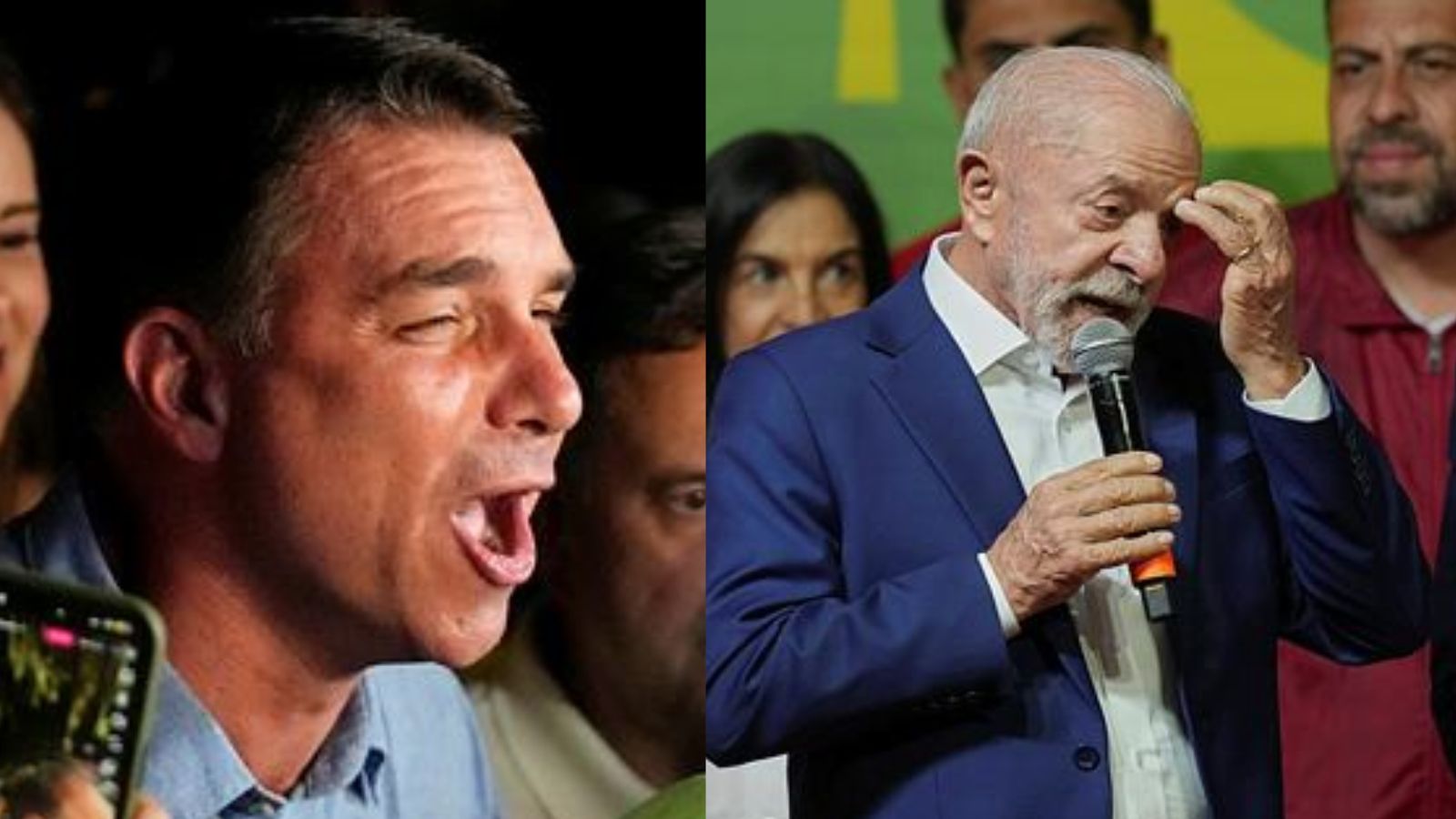
Elections in South America's largest democracy rarely follow a predictable script, but the first round of the presidential race caught pollsters completely off guard. When ballots were counted, the conservative movement outperformed every expectation, proving that populist right-wing politics in Brazil possess staying power that conventional analysts routinely underestimate. Instead of a straightforward coronation for the incumbent administration, the country hurtled toward a high-stakes runoff.
If you looked at pre-election surveys, you would think the political landscape was locked in place. It wasn't. Voters delivered a sharp rebuke to complacent forecasting, driven primarily by everyday frustrations over inflation, cost-of-living pressures, and public security. Expanding on this idea, you can find more in: Prince Andrew Suing the Police Isn't a Defense It Is a Complete Strategic Collapse.
Why the Polls Missed the Mark
Polling methodology in polarized societies is broken. People lie to pollsters, or they simply refuse to answer unknown numbers. More importantly, conservative and right-leaning constituencies have developed a deep distrust of mainstream media institutions, making them invisible to standard sampling models until they show up at the ballot box.
Beyond the math errors, the campaign dynamic shifted rapidly in the final weeks. While urban centers remained bitterly divided, suburban and interior regions coalesced around a message of economic pragmatism blended with traditional values. Voters didn't care about sophisticated macro-economic talking points when grocery prices were eating up half their weekly wages. Experts at USA Today have provided expertise on this situation.
The strategy behind the conservative surge rested on three main pillars:
- Direct engagement on cost-of-living issues rather than abstract ideological fights.
- Mobilizing a disillusioned electorate that felt left behind by traditional party politics.
- Capitalizing on regional dissatisfaction with public safety and urban crime rates.
The Runoff Reality Check
Making it to a runoff is one thing; winning it requires building a fragile coalition of former rivals and undecided centrists. In Brazilian politics, momentum can evaporate overnight once the field narrows to a head-to-head matchup.
Incumbent leaders facing a fierce challenge usually scramble to expand welfare programs or promise last-minute debt relief. That playbook came out immediately. Yet throwing money at a systemic discontent rarely solves the underlying anger. Voters wanted structural change, not temporary handouts.
The political establishment faced a stark reality. Millions of citizens demonstrated that they were willing to back an alternative path, regardless of what the political elite claimed was possible. This polarization isn't a temporary glitch in the system. It is the new baseline of modern democratic competition in the region.
What Comes Next for Latin America
Brazil acts as a political barometer for the entire continent. When conservative forces overperform here, it sends shockwaves from Buenos Aires to Washington. The outcome of the runoff wasn't just about who sits in the presidential palace for the next four years. It was a referendum on how populist movements survive legal crackdowns, institutional pushback, and intense international scrutiny.
You can't understand modern political shifts by looking at old playbooks. Parties that fail to adapt to economic anxiety and cultural friction will keep losing touch with reality. Watch the ground level, not the television studios, if you want to know where the country is heading next.