The Brussels Book Fair used to be about literature, signatures, and the smell of new paper. Now, it's a battlefield. If you've been following the news out of Belgium lately, you'll know that the Foire du livre de Bruxelles isn't just dealing with falling print sales or digital competition. It's wrestling with its own identity in a city that's become the epicenter of European political tension. When a cultural institution this large gets dragged into the mud of partisan bickering, the real losers are the readers and the authors who just want to talk about books.
The 2024 and 2025 editions marked a shift. We're seeing a trend where the fair’s leadership has to navigate a minefield of funding threats and protests. It's messy. It's loud. And frankly, it's a bit exhausting for anyone who remembers when the biggest controversy was the price of a sandwich at Tour & Taxis.
Politics is suffocating the literary spirit
Brussels is a unique beast. It's the capital of Europe, a bilingual hub, and a place where three different regional governments often trip over each other. This complexity usually stays behind closed doors. Not anymore. The Foire du livre has become a proxy for broader societal divides. We're talking about debates over inclusivity, the Israeli-Palestinian conflict, and the rise of the far-right in Flanders and Wallonia.
One day, you have activists demanding the removal of certain publishers. The next, you have politicians threatening to pull subsidies because they don't like the "woke" or "reactionary" tone of a specific panel. It's a pincer movement. On one side, you have the "cancel culture" crowd. On the other, you have the "free speech at all costs" brigade. The fair organizers are stuck in the middle, trying to keep everyone happy and failing miserably.
You can't just host a book fair in 2026 and expect people to ignore the world outside. But there's a difference between being relevant and being a hostage. When the Federation Wallonie-Bruxelles doles out cash, it comes with strings. Sometimes those strings are invisible. Sometimes they're more like chains. The pressure to curate a "safe" or "representative" lineup often clashes with the raw, unfiltered nature of great writing.
The funding trap that keeps the fair on life support
Money talks, even in the world of poetry and philosophy. The Foire du livre relies heavily on public subsidies. This is the Achilles' heel. In a country with a debt-to-GDP ratio that makes economists sweat, every euro is scrutinized.
Recent budget cuts have sent ripples through the Belgian cultural sector. The fair’s management has had to beg for renewals while facing criticism for how the money is spent. Is the event too "elite"? Is it too "commercial"? These aren't just academic questions. They're the basis for whether the check gets signed.
The move to Tour & Taxis years ago was supposed to modernize the event. It's a beautiful venue, sure. But it's also expensive. The logistics of moving hundreds of thousands of people through a renovated industrial site aren't cheap. When you add the cost of increased security—now mandatory because of the "political turbulence"—the math stops working. Security guards now outnumber librarians in some aisles. That's the reality of hosting a major event in a city that’s always on high alert.
Why the Flemish-Francophone divide still matters
You can't talk about Brussels without talking about the linguistic split. The Foire du livre is primarily a French-language event, but it sits in a city that is officially bilingual and surrounded by Flanders. For years, there's been a push to make the fair more "Belgian" by including more Dutch-language authors.
This sounds great on paper. In practice, it’s a logistical nightmare and a political grenade. Some Francophone publishers feel their space is being encroached upon. Some Flemish organizations feel they’re just being used as tokens to secure federal funding. It’s a microcosm of the Belgian state: a lot of good intentions buried under layers of bureaucracy and historical resentment.
Activism is changing the floor plan
Walk through the aisles today and you'll see more than just books. You'll see flyers, stickers, and impromptu protests. The fair has become a site of "performative literature." Authors aren't just there to sign books; they're there to take a stand.
This isn't necessarily a bad thing. Literature has always been political. But when the protest becomes the main event, the book becomes a prop. Last year, we saw several high-profile pull-outs. Authors refused to share a stage with colleagues whose views they found offensive. The organizers had to scramble to fill slots, often resulting in lukewarm panels that satisfied no one.
This internal policing is dangerous. If the Foire du livre becomes an echo chamber for whichever group shouts the loudest, it loses its soul. A book fair should be a place where ideas collide, not where they go to be sanitized. I've spoken to several mid-list authors who are terrified of saying the wrong thing. They're opting for smaller, independent festivals instead. They want to talk about their craft, not defend their Twitter history from five years ago.
The commercial reality versus the cultural mission
Let’s be real for a second. The Foire du livre is a business. It needs foot traffic to justify the booth costs for publishers. Huge names like Amélie Nothomb bring in the crowds. But the fair also has a "mission" to promote Belgian culture and obscure poets.
Balancing the two is getting harder. The big publishing houses—the Hachettes and Gallimards—hold a lot of power. They want prime real estate and media spots. The small, independent Belgian presses are often pushed to the margins, both literally and figuratively. When you add the political noise on top of this commercial pressure, the smaller voices get drowned out completely.
I've seen the "Espace Wallonie" booths. They're usually well-funded but sometimes feel like government brochures rather than literary hubs. There's a disconnect between what the bureaucrats want to promote and what the public actually wants to read. People want stories that move them, not "cultural products" that check every box on a regional development plan.
Moving past the drama
The Foire du livre needs to decide what it wants to be. Is it a political forum or a celebration of books? Right now, it's a messy hybrid of both, and it’s hurting the brand.
First, the leadership needs to toughen up. Stop bowing to every social media outcry. If you invite an author, stand by them. Diversity of thought is more important than avoiding a temporary PR headache. Second, the funding model needs a radical rethink. Relying so heavily on government whims makes the fair a political football. More private partnerships and a better digital strategy could provide the breathing room the organizers desperately need.
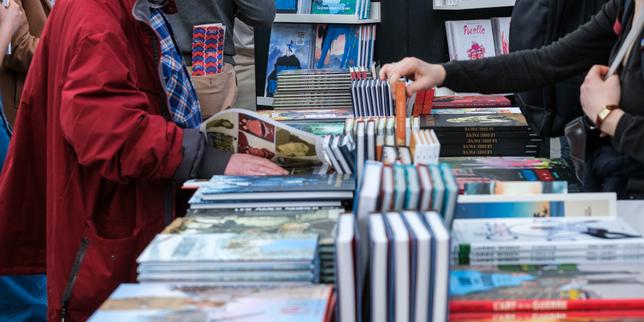
If you're planning to go this year, don't just stick to the main stage. Go to the smaller stands. Talk to the independent publishers from Liège and Namur. They're the ones still focused on the words. Avoid the panels that sound like a university seminar on sociology unless that's your thing.
Support the authors who are there despite the madness. Buy a book from a genre you usually ignore. The best way to save the Brussels Book Fair from politics is to make it about reading again. If the halls are full of people actually engaging with literature, the politicians and activists lose their leverage. It’s that simple.
Check the schedule early, book your train tickets to Gare du Nord, and prepare for a long walk. The future of the fair depends on the people who show up for the right reasons. Don't let the noise keep you away. Just bring some comfortable shoes and an open mind. You'll need both.
Get your tickets on the official site as soon as they drop. They've been known to sell out on the weekend slots fast. If you're looking to avoid the biggest crowds, go on Thursday afternoon. It’s the best time to actually browse without getting elbowed by a political science student with a megaphone. Stand your ground, pick a book, and let the rest of the world argue outside the gates of Tour & Taxis.