El Salvador is a terrifying place to be pregnant if anything goes wrong. It’s that simple. While other Latin American nations like Colombia, Mexico, and Argentina have moved toward decriminalization, El Salvador remains stuck in a rigid, punitive past. The country’s total ban on abortion doesn't just target those seeking to end a pregnancy. It creates a dragnet that catches women suffering from miscarriages, stillbirths, and obstetric emergencies. If you're a woman in a rural, impoverished community, a biological tragedy can quickly turn into a thirty-year prison sentence for aggravated homicide.
The government isn't just maintaining the status quo. It’s actively hostile toward the activists and organizations trying to save these women from life behind bars. Recent legal maneuvers and public rhetoric suggest a coordinated effort to silence the "defensoras"—the defenders of reproductive rights. This isn't just about a law on a piece of paper. It's about a culture of suspicion where doctors are pressured to act as informants and the state treats the womb as a crime scene.
The Brutal Mechanics of the Total Ban
El Salvador is one of the few countries in the world where abortion is illegal under all circumstances. There are no exceptions. It doesn't matter if the mother's life is at risk. It doesn't matter if the pregnancy resulted from rape or incest. Even if the fetus has no chance of survival outside the womb, the law demands the pregnancy continue. This absolute prohibition, baked into the constitution and the penal code since 1998, creates a "guilty until proven innocent" environment in public hospitals.
When a woman arrives at a clinic bleeding from a spontaneous miscarriage, the medical staff faces a choice. They can treat her, or they can call the police to avoid being accused of complicity. Far too often, they call the police. The result is a pipeline from the hospital bed to a jail cell. Organizations like the Agrupación Ciudadana por la Despenalización del Aborto have spent years documenting these cases. They’ve successfully freed dozens of women—collectively known as "Las 17" and others who followed—but the systemic machinery remains intact.
The cruelty is the point. The state uses these prosecutions to project a "pro-life" image that plays well with conservative and religious voting blocs, while ignoring the high rates of maternal mortality and the desperate reality of sexual violence in the country.
A War on the Defensoras
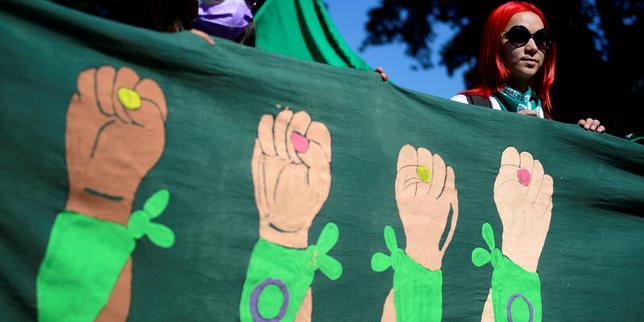
Lately, the pressure has shifted toward the people defending these women. Under the current administration, the space for civil society is shrinking. Activists are being labeled as "foreign agents" or accused of promoting illegal acts simply for providing legal counsel or medical information. It's a classic authoritarian playbook. If you can't win the argument on human rights, you criminalize the people making the argument.
These defenders aren't just activists. They're often the only line of defense for a woman who has no money and no voice. They navigate a legal system that is heavily biased and a media environment that often vilifies them. The recent "coup" against these defenders involves restrictive new laws on NGOs and a judicial system that feels increasingly like an arm of the executive branch. When the courts are packed and the laws are vague, anyone challenging the state’s narrative becomes a target.
The Impact of the State of Exception
You can't talk about El Salvador today without talking about the "State of Exception." While originally marketed as a way to crush gangs, this prolonged suspension of constitutional rights has bled into every aspect of Salvadoran life. It has created a climate of fear where due process is a luxury. For women’s rights activists, this means their work is now more dangerous. Protests are riskier. International funding is scrutinized or blocked.
The government uses the "State of Exception" to justify arbitrary detentions. If an activist is seen as a "troublemaker," the legal protections they once relied on are gone. This isn't a hypothetical threat. It’s a daily reality for those on the ground in San Salvador and beyond.
The Myth of Protecting Life
The Salvadoran state claims these laws protect "life from the moment of conception." But look at the data. These laws don't stop abortions. They stop safe abortions. Wealthy Salvadorans simply fly to Miami or private clinics elsewhere. Poor women use dangerous methods or end up in prison for natural pregnancy complications.
Specific cases like that of "Beatriz" highlight the absurdity. In 2013, Beatriz was denied an abortion despite suffering from lupus and kidney failure, and despite the fetus being anencephalic (missing a large part of the brain and skull). She had to wait for a C-section until her health deteriorated further. The Inter-American Court of Human Rights is currently weighing her case, which could force El Salvador to finally change its laws. But the government hasn't waited for the ruling to double down on its rhetoric.
The state isn't protecting life when it forces a twelve-year-old rape victim to carry a child to term. It isn't protecting life when it sentences a mother to thirty years because she had a placental abruption in a latrine. It's exercising control.
What You Can Actually Do
The situation feels bleak, but international pressure is one of the few things the Salvadoran government actually responds to. They care about their global image and their trade relationships.
- Support the Agrupación Ciudadana por la Despenalización del Aborto. They are the boots on the ground providing legal defense for imprisoned women.
- Amplify the voices of Salvadoran journalists like those at El Faro. They continue to report on these abuses despite massive state pressure and surveillance.
- Demand that international human rights bodies hold the Salvadoran government accountable for the "Beatriz" case and similar violations.
Don't look away from El Salvador. The "coup" against these women is a warning for what happens when religious dogma and authoritarianism team up to dismantle basic bodily autonomy. It starts with a ban and ends with a prison cell for the "crime" of being a woman in crisis.
If you want to understand the legal specifics, read the filings from the Center for Reproductive Rights regarding the Beatriz v. El Salvador case. It's the most significant legal challenge to these laws in decades and will likely determine the future of reproductive rights in the region. Stop treating this as a local issue. It's a human rights emergency.