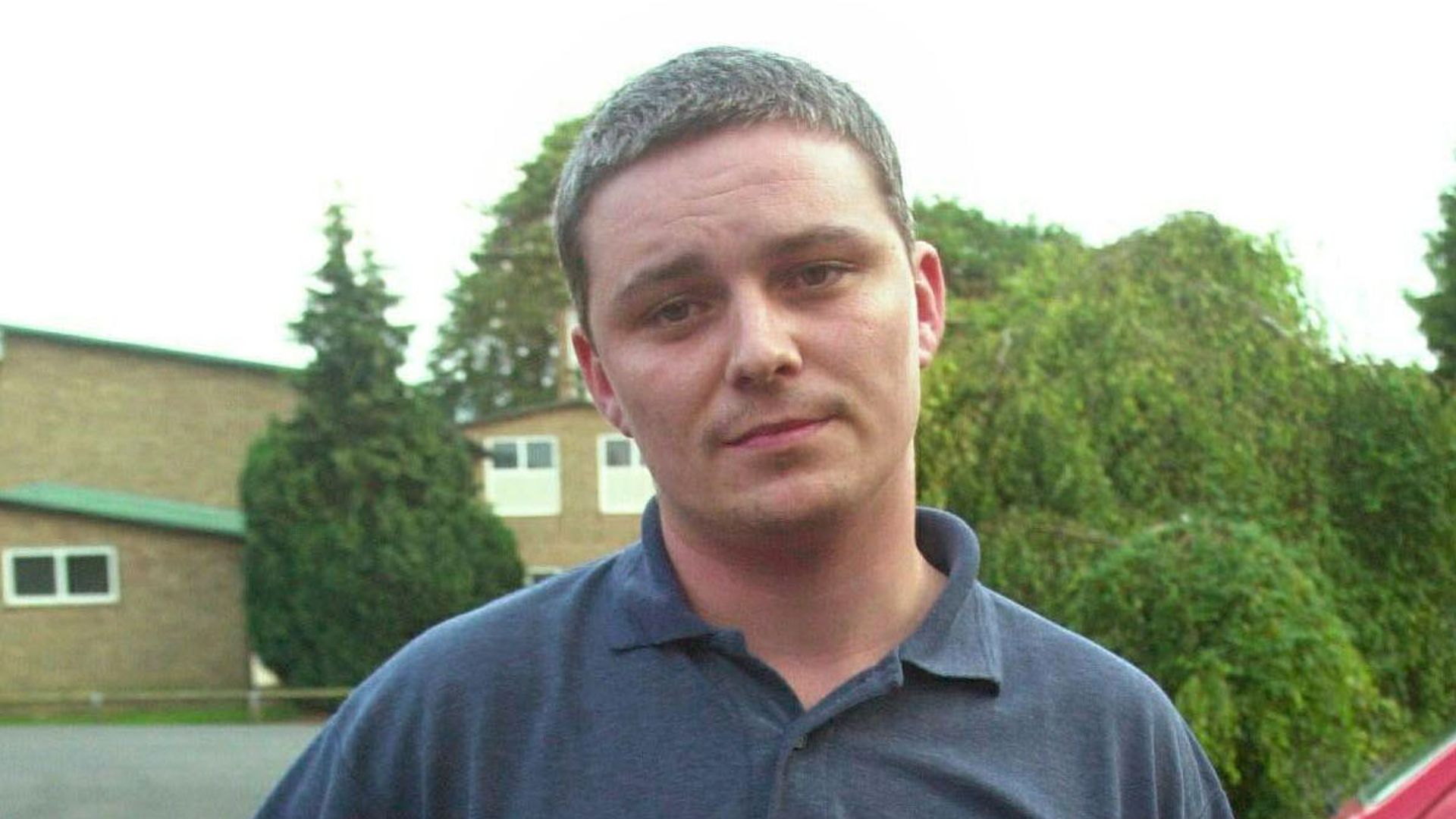
The death of Ian Huntley inside the walls of HMP Frankland marks the end of a twenty-four-year saga that began with the disappearance of two ten-year-old girls and ended with a spiked metal pole in a prison workshop. On March 10, 2026, the Crown Prosecution Service announced that Anthony Russell, a 43-year-old fellow inmate already serving life for a triple murder, has been formally charged with the murder of the Soham killer. Huntley, 52, died in the hospital on Saturday, March 7, after his life support was withdrawn following a catastrophic brain injury sustained during the February 26 attack.
While the public reaction to the death of a child killer is often one of indifference or grim satisfaction, the event exposes the volatile mechanics of the United Kingdom's high-security estate. Frankland, often dubbed "Monster Mansion," houses the most despised offenders in the country. In such an environment, the hierarchy is built on the nature of one’s crimes. Child killers like Huntley exist at the absolute bottom of this social order, making them perpetual targets regardless of the security measures in place.
The Anatomy of the Attack
The incident occurred during a morning session in the prison’s workshop. Despite the presence of guards and the supposed "close protection" status afforded to high-profile inmates, Russell allegedly managed to strike Huntley repeatedly over the head. Reports indicate the weapon was a makeshift spiked metal pole, a grim testament to the ingenuity of violence in an environment where every object is a potential tool for execution.
Huntley was discovered in a pool of blood and rushed to a nearby hospital. For over a week, he remained in a coma while medical teams assessed the extent of the trauma. The decision to switch off life support on March 6 followed a total lack of neurological recovery. By the following morning, the man who had haunted the British collective consciousness since 2002 was dead.
The "why" behind the attack is often framed as a quest for "prison stripes"—a twisted form of prestige earned by harming the most notorious inmates. However, a deeper look into the history of HMP Frankland suggests that these outbursts are frequently the result of systemic failures in segregation. Huntley had survived multiple attempts on his life previously, including a throat-slashing in 2010. The fact that a known triple murderer like Russell could access Huntley in a workshop setting suggests a breakdown in the risk assessment protocols designed to keep these high-value targets alive for the duration of their judicial sentences.
A Legacy of Deceit and National Trauma
To understand why this murder resonates so deeply, one must revisit the sweltering August of 2002. Holly Wells and Jessica Chapman walked out of a family barbecue to buy sweets and never returned. For thirteen days, the nation watched as Huntley, then a school caretaker, stood before television cameras and played the role of the helpful, concerned neighbor.
His performance was chillingly effective. He even claimed to be one of the last people to see them alive, utilizing his position of trust to deflect suspicion while the bodies of the two girls lay in a shallow ditch near RAF Lakenheath. The subsequent revelation that he had lured them into his home and murdered them shattered the myth of the "friendly neighbor" and led to a permanent shift in how the UK handles DBS checks and school recruitment.
The conviction of Huntley and his then-girlfriend, Maxine Carr, who provided a false alibi, did not end the trauma. Instead, it inaugurated a decades-long period of incarceration defined by Huntley’s repeated attempts to gain attention through hunger strikes and lawsuits against the Prison Service. His death silences a man who took the truth of his final moments with the girls to his grave, leaving the families of Holly and Jessica with a different kind of finality—one that was delivered by a metal bar rather than a courtroom.
The Ethics of the High Security Estate
The prosecution of Anthony Russell presents a unique challenge for the legal system. Russell is already serving a whole-life order for the murders of Julie Williams, David Williams, and Nicole McGregor in 2020. Adding another murder conviction to a man who will never be released serves as a procedural necessity rather than a practical punishment.
Some argue that the resources spent on protecting inmates like Huntley are a waste of taxpayer money. Yet, the integrity of the justice system relies on the state’s ability to carry out the sentences handed down by the courts. When a prisoner is killed in custody, it represents a failure of the rule of law. If the state cannot guarantee the safety of those it holds, it loses its moral authority, even when the victim is a man as reviled as Ian Huntley.
The investigation by Durham Constabulary will now focus on how Russell obtained the weapon and why the supervision in the workshop failed to intervene. This was not a spontaneous scuffle; the use of a spiked pole suggests premeditation and a failure of the "search and sweep" protocols that are supposed to be the backbone of Frankland’s security.
The Finality of Frankland
Frankland has a long history of high-profile violence. From the attack on the Yorkshire Ripper, Peter Sutcliffe, to the 2010 assault on Huntley himself, the prison has struggled to manage the volatile mix of serial killers, terrorists, and organized crime bosses. The "workshop" is often the most dangerous area of any prison—a place where tools are present and the ratio of inmates to guards is at its most stretched.
Anthony Russell will appear via video link at Newton Aycliffe Magistrates' Court on Wednesday, March 11. The proceedings will likely be brief, but the trial that follows will inevitably drag the horrors of the Soham murders back into the spotlight. For the families involved, this is yet another chapter in a book they never asked to read.
The death of Huntley does not bring "closure"—a term frequently used by those who have never experienced profound loss—but it does end the logistical and financial burden of his incarceration. The spiked pole in the workshop did what years of appeals and legal maneuvers could not; it provided a definitive end to a life defined by the most heinous of betrayals.
Whether this leads to a shake-up in prison security or simply fades into the background of a crowded news cycle remains to be seen. In the cold reality of the British penal system, Huntley was a man marked for death the moment he entered the gates. The only surprise is that it took twenty-four years for someone to succeed.
The CPS will now proceed with the murder charge against Russell. It is a grim irony that a man who ended three lives will now be judged for ending the life of a man who destroyed two. In the hierarchy of "Monster Mansion," the cycle of violence remains the only constant.