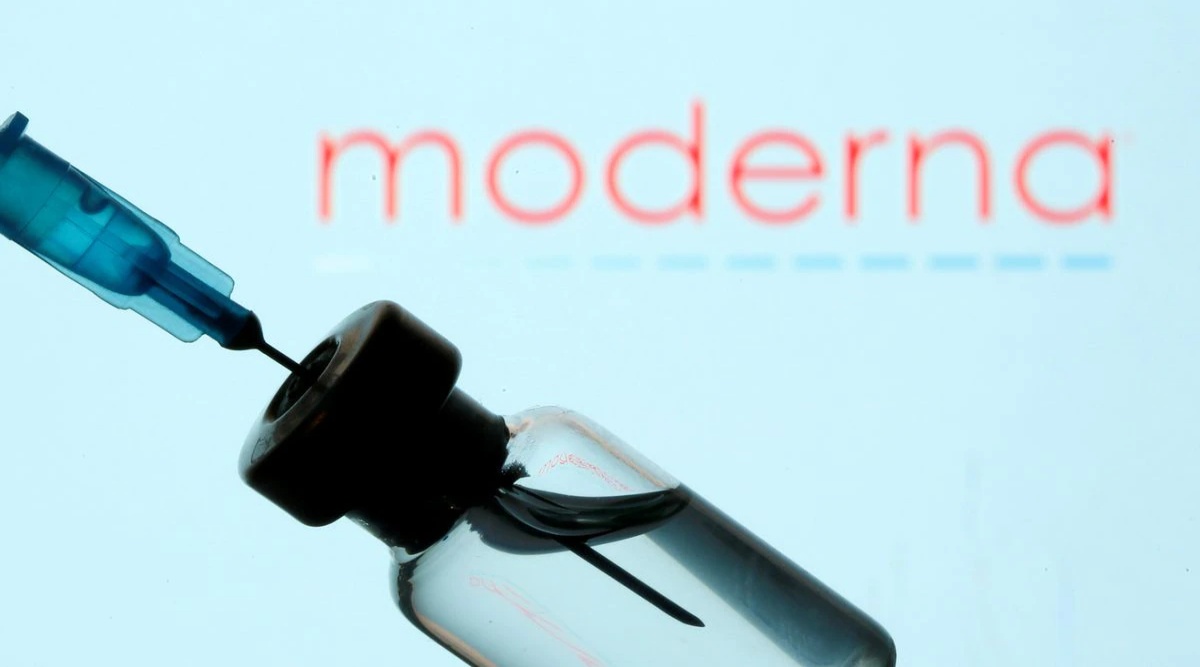
The recent surge in Moderna’s valuation following its Phase 3 trial results for a personalized mRNA melanoma treatment represents more than just a stock market frenzy. It signifies a potential transition in oncology. The data, shared in August 2026, confirms that when this individualized therapy is combined with existing immunotherapy, it delays recurrence and metastasis in high-risk melanoma patients. For those who have watched the biotechnology sector struggle to move beyond pandemic-era expectations, this is a moment of reckoning. Yet, underneath the celebratory headlines lies a reality defined by profound medical complexity and extreme logistical hurdles.
The core mechanism here involves tailoring a treatment to the specific genetic makeup of a patient’s tumor. By performing genomic sequencing on the surgically removed tissue, researchers identify unique neoantigens—mutated proteins present only in the cancer cells. A custom mRNA sequence is then manufactured to teach the patient's immune system to recognize and eliminate cells expressing those specific mutations. Combined with a checkpoint inhibitor like Keytruda, which removes the molecular "brakes" that cancer uses to hide from immune detection, the therapy creates a sophisticated, dual-action defensive wall. For a closer look into this area, we suggest: this related article.
However, the path from clinical success to standard clinical care is narrow. Critics of earlier vaccine efforts often pointed to the inability of the immune system to recognize tumor proteins as foreign. This new approach attempts to bypass that by acting as a biological beacon, marking the enemy clearly for the body’s internal surveillance. Despite this, the effectiveness of the treatment remains tethered to the biological environment surrounding the tumor. If the microenvironment remains profoundly immunosuppressive, the immune cells—even when alerted—may struggle to penetrate and kill the malignancy.
Consider a hypothetical scenario where a patient presents with a tumor that has evolved a highly efficient method of blocking T-cell infiltration. Even with the best-designed mRNA instructions, the immune system might reach the perimeter of the tumor only to be neutralized by the biochemical defenses the cancer has established. This is why the industry is rightfully cautious about calling this a universal solution. It is a highly effective tool, but it is not a blunt instrument that can overcome every defensive mechanism a tumor might deploy. For further information on this development, detailed reporting can be read at World Health Organization.
Beyond the biology, the manufacturing requirements create a massive bottleneck. Traditional pharmaceuticals rely on mass production where millions of doses share identical specifications. This therapy requires a distinct, patient-specific production run for every individual. The sequencing, the design of the mRNA sequence, the clinical validation, and the rapid deployment of the vaccine must occur within a tight window post-surgery to be effective. Scaling this process while maintaining regulatory compliance and patient safety is an endeavor that has never been attempted on a commercial scale. Investors cheering the share price increase may be overlooking the sheer operational difficulty of transforming a bespoke laboratory process into a global medical standard.
There is also the question of pricing and accessibility. If the development of these vaccines demands such intense resource allocation, the end-user cost will naturally be substantial. Health systems are already stretched thin by the high costs of existing immunotherapies. Adding a personalized, mRNA-based layer to the care regimen threatens to shift the financial equilibrium of cancer treatment. Unless the manufacturing process achieves significant efficiencies, or economies of scale are realized through widespread adoption, this treatment risks becoming an exclusive therapy, accessible only to the most well-funded health centers.
The transition from a Phase 3 success to a viable, widely available medicine requires navigating a complex regulatory and logistical environment. Discussions with regulatory bodies are only beginning. The data must undergo scrutiny beyond the initial excitement. We are seeing a glimpse of what the future of precision medicine looks like, yet the distance between a promising data point and a cured patient remains significant.
The industry will now turn its attention toward other tumor types, including lung, kidney, and bladder cancers. These areas possess "hot" tumors, which are generally more receptive to immune intervention. The success of the current melanoma trial provides a template, but it does not guarantee outcomes in different, potentially more aggressive, biological landscapes. Each trial represents a new challenge, as the specific mutations and the behavior of the cancer cells vary widely between patients and organ systems.
Innovation in this space is often judged by the speed of technological breakthroughs, yet true progress is measured by durability. Can these responses last for years? Does the immune system maintain its "memory" of these specific tumor neoantigens long enough to prevent late-stage recurrence? These are questions that will only be answered by observing these patients over long intervals.
The immediate financial reaction to the trial news reflects the pent-up demand for growth within the biotechnology sector. The sector has needed a win that demonstrates utility beyond the scope of infectious disease. But the real work is just beginning. The focus must shift from stock performance to the clinical reality of administering high-tech, personalized medicine to thousands of patients. The science is undeniably elegant, but the execution remains a test of infrastructure, finance, and medical persistence.
Success will not be defined by the next quarterly report. It will be determined by whether this approach can become a sustainable, scalable reality for the millions of people living with cancer today. The promise is real, but the heavy lifting of global health integration is still in its infancy. Future updates will reveal whether this becomes a routine standard of care or remains a complex, high-cost exception in the modern medical system. The evidence is gathering, and the medical community is moving, but the true impact will be measured in the slow, painstaking accumulation of patient outcomes over the next decade.
:max_bytes(150000):strip_icc():focal(662x226:664x228)/Aimee-Lou-Wood-attends-the-Los-Angeles-Premiere-of-HBO-Original-Series-The-White-Lotus-Season-3-030525-c07a5396c79e43baa1869779c8797ca4.jpg)