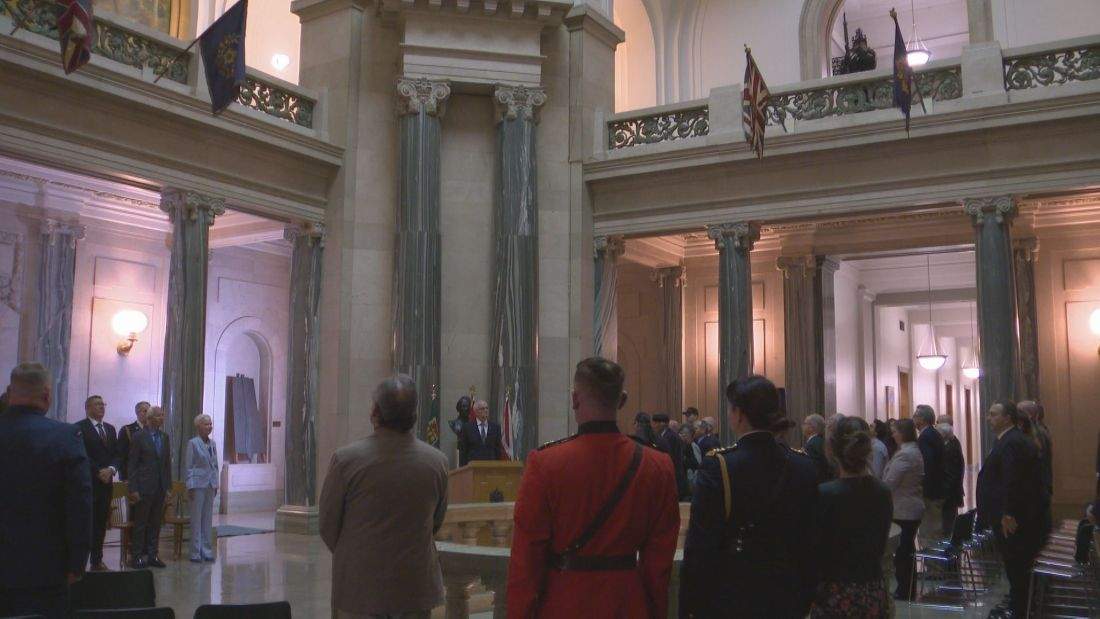
Famous names like Barbra Streisand, Ken Burns, and Bill Nye still show up in Democratic midterm messaging because campaigns crave instant recognition, media oxygen, and donor energy. Yet those high-profile endorsements rarely move undecided voters in swing districts. Most persuadable voters are not scrolling feeds waiting for a documentary filmmaker, a stage legend, or a television science host to tell them how to cast a ballot. When parties lean on famous surrogates, they often preach to loyalists while alienating swing voters who view celebrity politics as out of touch.
I have watched political operatives recycle the same famous-name playbook for decades. Every cycle brings a fresh wave of press releases listing actors, directors, musicians, and public intellectuals backing Democratic candidates. It looks impressive on paper. A roster full of recognizable faces gives reporters a neat hook and gives grassroots organizers something to share in group chats. Recently making waves in this space: When the Suitcases Are Packed Before Dawn in Riyadh.
Still, there is a wide gap between generating noise and winning a close congressional or state legislative race. Midterm elections are low-turnout, hyper-local affairs shaped by pocketbook stress, candidate familiarity, and neighborhood ground games. A famous voice can sharpen a message for people who already agree with you. Convincing a skeptical voter in a purple district is an entirely different job.
The Illusion of Star Power in Low-Turnout Midterms
Midterm cycles operate on a different rhythm than presidential years. Presidential elections pull in occasional voters through sheer national spectacle, debate clips, and cultural momentum. Midterms ask busy people with full plates to show up for races that rarely dominate dinner-table talk until the final weeks. Further insights regarding the matter are covered by Associated Press.
Celebrity endorsements are built for attention in a crowded media environment. When names like Barbra Streisand, Ken Burns, or Bill Nye attach themselves to Democratic midterm messaging, political reporters pay attention because famous people make stories easier to package. A headline with a recognizable name travels faster than a policy memo on municipal zoning or health care billing.
Attention is not persuasion. Campaign strategists often confuse earned media mentions with voter movement. A clip might rack up hundreds of thousands of views among aligned partisans, yet fail to register with a working parent in a battleground suburb who is trying to figure out why grocery bills and insurance premiums keep climbing.
Famous surrogates tend to amplify existing enthusiasm rather than build new coalitions from scratch.
There is also a timing problem baked into celebrity messaging. High-profile endorsements frequently arrive in bursts tied to fundraising pushes, gala events, or national ad buys. Swing voters, by contrast, tune in late and focus on local stakes. By the time a voter starts paying serious attention to a house seat or state senate contest, a celebrity video released two months earlier feels like old news.
Why Familiar Faces Carry Different Weight for Different Audiences
Not every famous endorser carries the same kind of credibility. Grouping every public figure under a single "celebrity" label misses how voters actually process authority and trust.
Barbra Streisand represents a long-standing pillar of Democratic cultural and financial backing. Decades of advocacy give her voice deep familiarity among longtime party supporters and major donors. For core voters who value consistency and institutional loyalty, that continuity feels reassuring. For voters who feel disconnected from coastal entertainment circles, however, that same familiarity can reinforce a stereotype about who runs the party.
Ken Burns brings a different currency altogether. His reputation rests on historical storytelling, archival craft, and a measured cadence that appeals to viewers drawn to civic memory and long-arc narratives. When his name appears in midterm messaging, it signals seriousness and heritage. Yet history documentaries reward patience and nuance, while modern campaign spots rely on rapid-fire contrast and emotional urgency. Bridging those two modes is harder than campaign press shops admit.
Bill Nye occupies another lane entirely. Known widely for making science accessible and engaging to younger generations, his appeal leans into curiosity, empirical reasoning, and plainspoken explanation. In races where climate policy, public health, or science education is front and center, a recognizable science communicator can frame complex issues without partisan jargon. Even then, voters who distrust institutions or view scientific messaging through a cultural lens may hear a lecture rather than a conversation.
Consider a hypothetical example to see how this plays out on the ground. Suppose a Democratic challenger in a competitive rust-belt district runs a digital ad featuring a beloved national entertainer talking about democracy and civic duty. Supporters in the district cheer and share it widely. Meanwhile, a swing voter who split their ticket in the last election watches the spot, sees a wealthy public figure from far away, and wonders whether the candidate understands local factory closures or school funding. The ad was not necessarily bad. It was simply aimed at the wrong ear.
What Actually Moves Persuasive Voters in Midterm Cycles
Decades of campaign post-mortems point to a sobering truth for strategists who love glossy surrogate rollouts. Persuasion in midterm races is stubborn, incremental, and local.
Voters who remain on the fence usually care most about three practical questions. First, does this candidate understand the real economic pressures on my household? Second, can I trust this person to show up and solve problems rather than fight endless culture wars? Third, do people I actually know and respect trust them?
Local Messengers Beat Distant Icons
A respected local mayor, a well-known teacher, a small-business owner on Main Street, or a neighbor knocking on a porch door carries relational weight that a famous name cannot match. Those messengers share zip codes, school boards, and local headaches with the voter sitting across from them.
When campaigns spend disproportionate energy chasing national names, they sometimes shortchange the unglamorous work of recruiting and elevating local validators. A two-minute clip from a respected community figure in the county often outperforms a glossy spot featuring a household name from out of state.
Policy Clarity Beats Borrowed Glamour
Celebrity endorsements work best when they serve a clear strategic purpose rather than acting as a substitute for substance. If a public figure speaks directly to an issue where they have genuine standing and ties it to a concrete choice on the ballot, the message has a fighting chance of landing.
When endorsements become a checklist of famous supporters, the substance gets thin. Voters quickly sense when a campaign is leaning on big names to paper over a fuzzy message. Clear, plainspoken arguments about costs, jobs, healthcare, and public safety do the heavy lifting, not sparkle.
The Donor and Grassroots Engine Behind the Scenes
If celebrity endorsements rarely flip swing voters on their own, why do campaigns keep pursuing them cycle after cycle? Follow the mechanics of modern political fundraising and organizer morale, and the answer becomes obvious.
Midterm campaigns are expensive, grueling marathons. Small-dollar fundraising emails and text drives need hooks that cut through inbox fatigue. A message tied to a recognizable cultural figure gives fundraisers a fresh angle to ask supporters for ten, twenty-five, or fifty dollars. Those modest contributions add up fast across thousands of donors.
Famous backers also energize volunteers. Phone bankers and canvassers spend hours hearing doors slam or getting hung up on. Having prominent figures publicly champion the cause gives volunteers a shot of adrenaline and a sense that their local grind is part of a bigger movement.
The catch is internal gratification. Campaigns often measure success by how excited their own base looks online. An endorsement that lights up social media feeds among committed Democrats can look like a triumph inside a campaign war room while leaving persuadable voters completely unmoved.
Gray Areas and Risks Nobody Likes to Admit
No honest assessment of celebrity politics can pretend the risks are one-sided. Endorsements are double-edged swords, and every choice carries trade-offs.
For a candidate in a safe or heavily Democratic seat, high-profile backing carries minimal downside and plenty of upside for fundraising and base turnout. For a candidate fighting for survival in a lean-Republican or razor-thin swing district, national celebrity associations can backfire. Opponents love painting competitive candidates as captives of coastal elites or out-of-step cultural factions.
There is also fatigue among voters themselves. Many Americans are exhausted by partisan spectacle and constant appeals from famous voices on every side of every debate. When every cause, candidate, and ballot measure comes wrapped in celebrity backing, the signal loses its punch. What once felt distinctive starts feeling like background noise.
At the same time, writing off public figures completely would be a mistake. Artists, scientists, and storytellers have every right as citizens to speak out on elections and public policy. When they speak authentically about issues tied to their life's work—whether arts funding, historical memory, or science and climate—some listeners genuinely lean in. The problem is not that famous people speak up. The problem is expecting fame itself to do the work of persuasion.
Where Campaigns Go Wrong When They Over-Index on Fame
Smart political operatives know how to use big names sparingly. Struggling campaigns treat them like magic dust.
When a race is trailing in internal polls or struggling to define the opponent, the temptation to announce a splashy endorsement is hard to resist. A press release buys a good morning. It does not fix a weak economic message, a muddled contrast, or an underfunded field operation.
Midterm elections reward discipline over flash. Winning candidates keep bringing the conversation back to everyday life: what families pay at the register, how clinics and schools are staffed, and who will actually pick up the phone when something breaks. A famous voice can introduce a candidate or highlight a single theme, but the candidate still has to earn trust face to face and issue by issue.
Before launching another star-studded midterm push, campaign leaders should test every famous endorsement against a simple standard: does this help a skeptical voter in a tough precinct trust the candidate more tomorrow than they do today, or does it just make supporters on our side feel good tonight?