Salt air sticks to the skin in the Strait of Hormuz. It tastes of diesel, hot metal, and an ancient, quiet desperation.
Stand on the deck of a container ship navigating these twenty-one miles of blue water, and you realize how thin the thread of modern civilization actually is. To your left, the rugged mountains of Oman drop sharply into the sea. To your right, the sun bleaches the cliffs of Iran. Between them lies a liquid corridor narrower than the English Channel, yet through this single throat passes roughly a fifth of the petroleum consumed by the entire globe. Discover more on a similar issue: this related article.
Every single day, supertankers loaded to the water-line crawl through this bottleneck. They carry the fuel that heats homes in Tokyo, powers factories in Seoul, and keeps delivery trucks moving across Europe. The global economy is a giant, humming engine, and the Strait of Hormuz is the main fuel line. Right now, that line is being squeezed.
Ali sits in a cramped, air-conditioned office in Tehran, watching a digital map where a cluster of red icons marks idle vessels. He is not a general; he is a career trade official who has spent decades watching his country's economy bend and fracture under wave after wave of international sanctions. To Ali, the maps on his screens do not represent abstract geopolitics. They represent empty bakeries, inflation rates that turn monthly salaries into pocket change, and the suffocating realization that his nation's lifeblood—oil revenue—is locked behind a wall built by Washington. Further journalism by Al Jazeera explores related views on the subject.
Across the ocean, in a quiet suburban kitchen outside Chicago, Sarah pours a cup of coffee and checks the morning news. She sees a headline about rising crude oil futures. She doesn't know where Hormuz is on a map. She doesn't think about maritime choke points or diplomatic cables. But she will feel the shockwave of this standoff three weeks from now when she fills her sedan at the local pump, and her monthly grocery bill ticks upward once again.
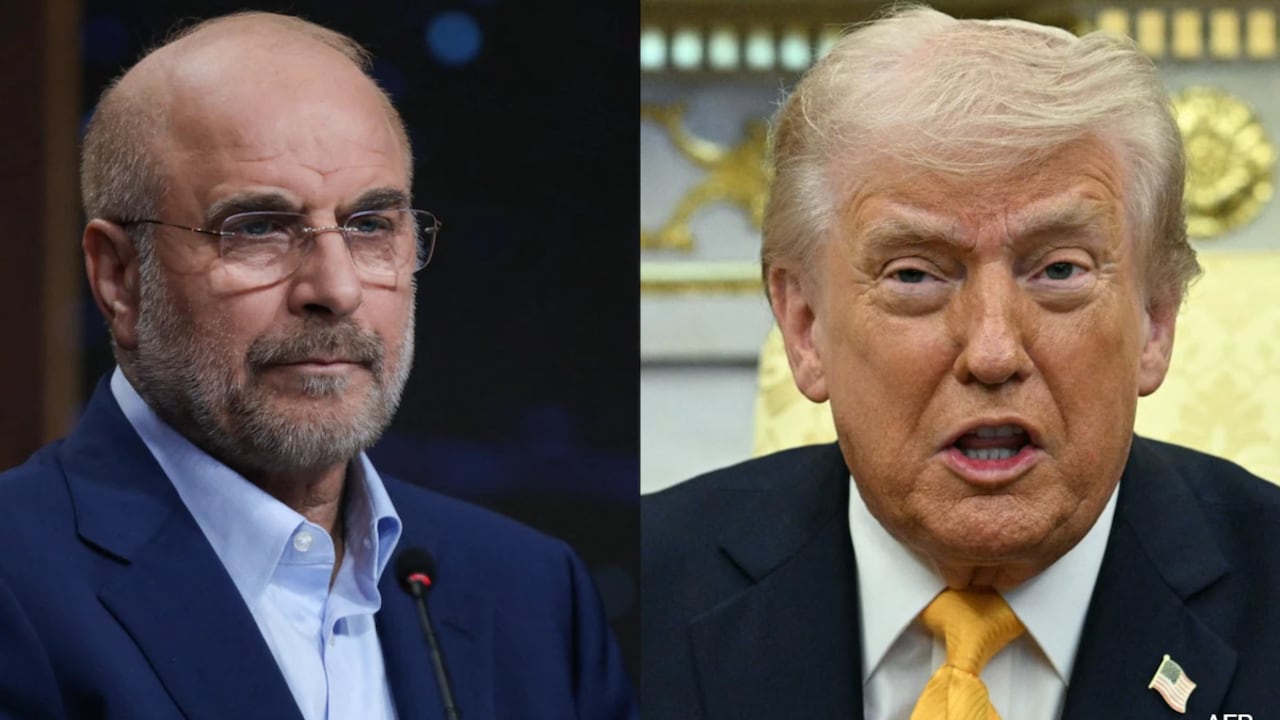
This is the invisible architecture of our modern world. Everything is connected. When a negotiator in Tehran stands before a bank of microphones and demands that the United States lift its sweeping maritime blockades and economic embargoes as a pre-condition for keeping the Strait open, he is pulling on a thread that unravels far beyond the Middle East.
Let us be entirely clear about the mechanics here. This is not just a diplomatic disagreement over treaty clauses. It is a high-stakes standoff rooted in economic strangulation. For years, Washington and its allies have used financial systems and naval posture to choke off Iranian petroleum exports, aiming to force a change in regional behavior. But pressure creates counter-pressure. When you lock a nation out of global commerce, that nation looks for the nearest valve it can turn.
The valve is Hormuz.
Diplomacy in this corridor is written in the language of ultimatums. Tehran’s top negotiator made it plain: normalize the flow of commerce outward, and the maritime paths remain clear inward. Keep the economic tourniquet tight, and the risk of disruption spikes toward catastrophe.
It is a dangerous game of chicken played with supertankers.
Imagine standing on the bridge of a quarter-mile-long oil carrier as it threads the needle of the traffic separation scheme in the Persian Gulf. The margins for error are razor-thin. The shipping lanes are divided into an inbound path and an outbound path, separated by a narrow buffer zone. Now, inject military tension into that narrow corridor. Add fast-attack craft darting across the horizon, electronic jamming that blinds navigation radars, and the constant, low-humming anxiety of crews who know that a single miscalculated maneuver could trigger an international crisis.
The market reacts instantly to this tension. Oil traders in London and New York do not wait for diplomacy to succeed or fail; they price in fear. Every fiery speech, every demand for a lifted blockade, sends futures climbing. Those fractions of a cent on a barrel of crude compound across supply chains until they reach Sarah's gas tank, until they hit the manufacturing costs of plastic toys, until they raise the price of transporting fresh vegetables across state lines.
We have built a global marketplace that relies on absolute stability in some of the most volatile regions on earth. It is an engineering marvel, but it is deeply fragile.
Why does this matter right now? Because the old rules of economic warfare are breaking down under their own weight. Sanctions were once viewed as a clean, bloodless alternative to military conflict. A way to dial economic pressure up or down from a desk in Washington. But when applied to a nation bordering one of the world's primary energy arteries, sanctions provoke a physical reaction. They turn geography into a weapon.
When the Iranian negotiator issues demands regarding the blockade, he is speaking the only language he believes the other side will respect: mutual vulnerability. You can deny us our market, the logic goes, but we can disrupt yours.
The human cost of this deadlock is rarely captured in stock market tickers. It is felt by the Iranian merchant whose shipping contracts evaporate overnight. It is borne by the Filipino sailor on a detained tanker who just wants to finish his contract and fly home to see his children. It is paid by millions of working-class families worldwide who absorb the stealth tax of inflation driven by energy insecurity.
We tend to view international relations as a spectator sport. We watch the headlines scroll past like a movie trailer, cheering for our side, shaking our heads at the opposition, detached from the reality on the ground. But there is no audience here. We are all passengers on the same ship, and someone is tampering with the rudder.
The path forward requires a brutal acknowledgment of reality. Economic blockades that push a nation to the brink do not lead to quiet surrender; they lead to cornered aggression. Conversely, letting strategic waterways fall hostage to geopolitical leverage threatens the stability of the entire international order.
There are no easy compromises here. There is only the slow, grinding work of finding where security interests overlap with economic survival.
Until that happens, the supertankers will keep moving through the blue-green water of the Strait. The crews will scan the horizon. The markets will twitch at every rumor. And somewhere in Tehran, another official will look at a map of red icons, waiting for a phone to ring, while miles away, the rest of the world holds its breath, hoping the thread doesn't snap.