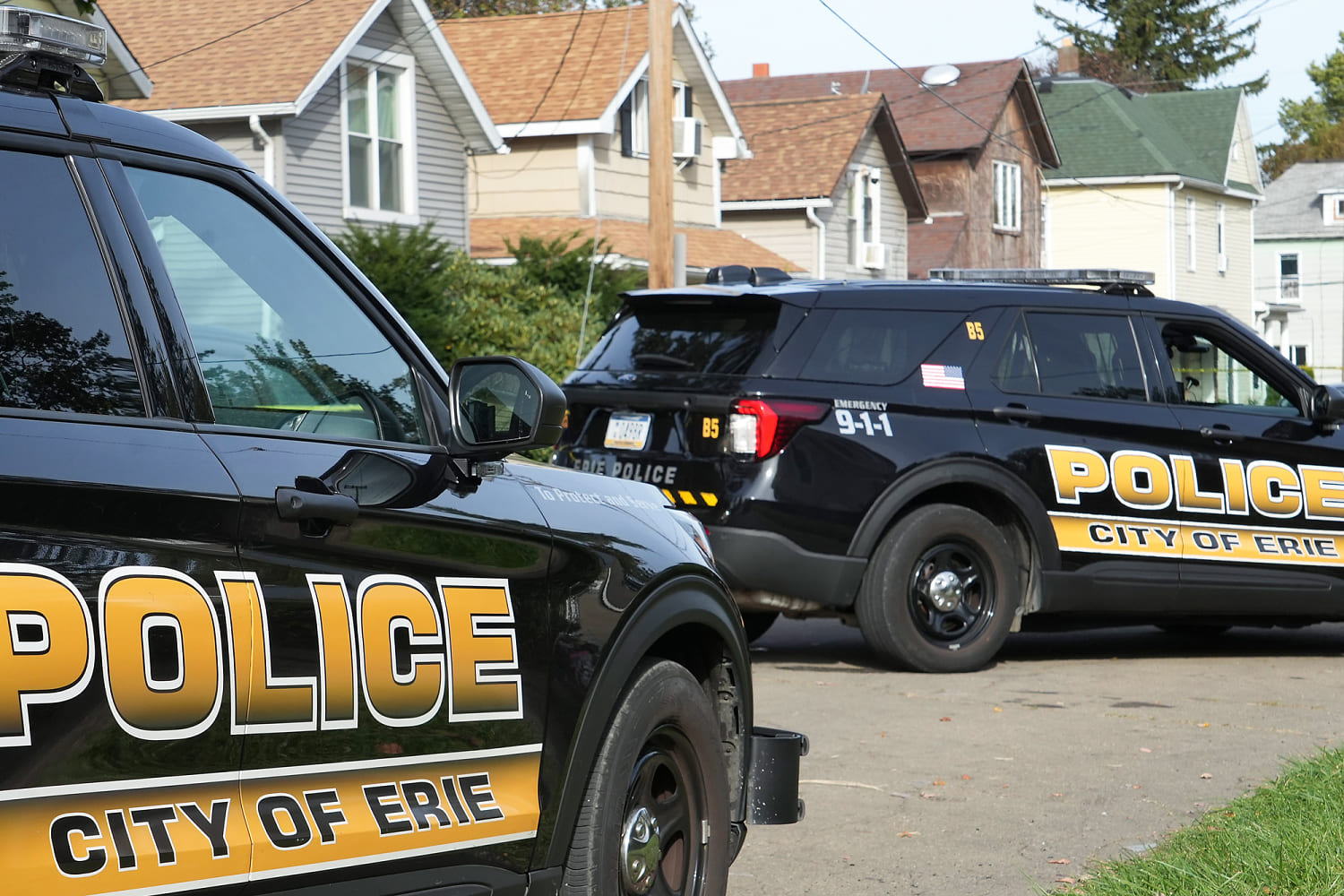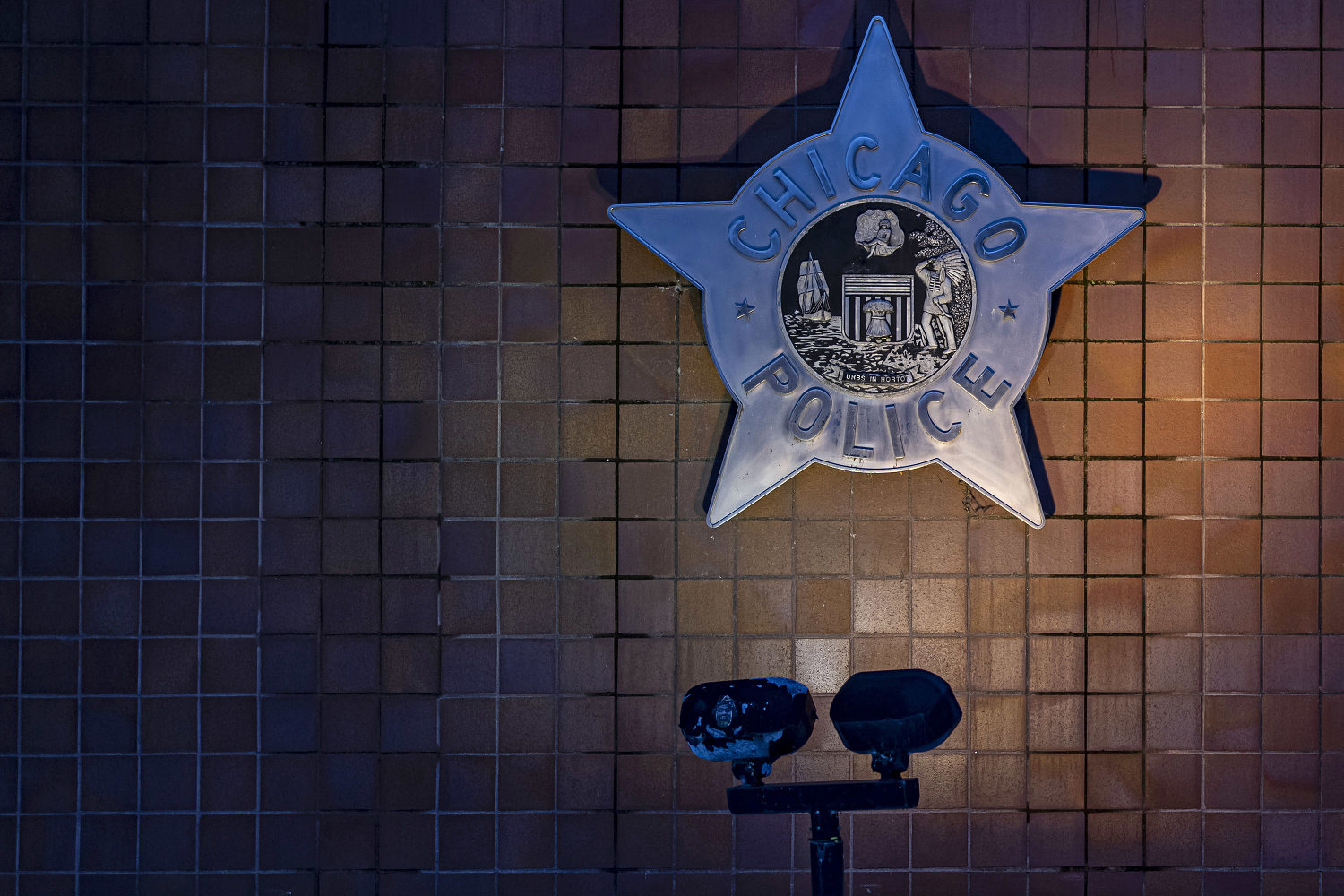
Resolving a homicide more than six decades after the crime exposes a sharp tension between modern forensic persistence and institutional blind spots that allowed a perpetrator to operate inside law enforcement for decades. In November 1960, eight-year-old Gloria Kowalewicz vanished during a short walk from her West Englewood home in Chicago to a nearby church service; her body was found hours later in the Palos Hills forest preserve. In October 2026, Chicago police identified former violent crimes detective Thomas F. McInerney Jr.—who joined the department in 1959, retired in 1987, and died in Las Vegas in 2006 at age 70—as responsible for the killing, using modern DNA analysis alongside fingerprint and firearm evidence.
Standard news coverage treats a breakthrough like this as a simple arc of patience meeting technology. A rigorous analytical breakdown separates what investigators actually proved from what remains unproven, maps why the case went cold for so long, and examines what an attribution made twenty years after a suspect's death means for accountability and public trust.
Fact Versus Hypothesis in Multi-Decade Cold Cases
When a cold case is closed decades later without a living defendant or trial record to test every link in court, disciplined analysis requires separating verified forensic facts from educated hypotheses.
Known facts established by the public record include:
- Gloria Kowalewicz disappeared on November 12, 1960, while walking from her home in Chicago's West Englewood neighborhood toward church, and her body was discovered in the Palos Hills forest preserve with gunshot wounds and neck bruising.
- Physical items from the scene—including a bullet, Kowalewicz's coat, her shoes, and her white communion purse containing a prayer book—were inventoried and retained over the decades.
- Thomas F. McInerney Jr. joined the Chicago Police Department in 1959, later served as a violent crimes detective until retiring in 1987, and died in 2006.
- Chicago police announced in October 2026 that DNA identification, fingerprint comparison, and firearm evidence linked McInerney to the murder.
Educated hypotheses and open analytical questions include:
- Exact sequence of abduction and fatal injury: Contemporary reports noted blood in the woods suggesting she was killed at the forest preserve after being abducted along her route, though the precise timeline and movements between street and preserve rest on historical reconstruction and physical evidence rather than live witness cross-examination.
- Why early leads failed to converge: Reporting indicates McInerney's parents lived less than a mile from the Kowalewicz family in 1960, yet proximity alone does not explain why a newly minted officer was not flagged at the time; hypotheses range from decentralized 1960 record-keeping to informal peer insulation, without a public audit proving which mechanism dominated.
- Post-1960 career impact: While police stated he committed the murder shortly after joining the department and later retired as a violent crimes detective, public disclosures do not establish whether his subsequent investigative work suffered specific misconduct or whether his internal personnel file contained warning signs.
Three Pillars of Cold Case Longevity
A murder does not stay unsolved for 65 years by accident. Three structural pillars keep a case dormant across generations until an external shock breaks the stalemate.
1. Evidence Preservation and Chain-of-Custody Survival
A cold case cannot advance without intact physical substrates. When investigators cataloged Kowalewicz's coat, shoes, communion purse, prayer book, and ballistics evidence in 1960, they preserved raw material that 1960s laboratory science could not fully exploit. Every transfer, storage shift, and archival move over sixty-plus years carries risk of degradation, mislabeling, or loss. Survival of usable trace biological material, latent prints, and firearm evidence is the prerequisite for every later breakthrough.
2. Forensic Capability Asymmetry Across Eras
In 1960, forensic science lacked DNA profiling and modern digital databases. Even when a fingerprint was lifted from an item such as a purse, manual comparison against paper card files required a specific suspect hypothesis or exhaustive card checks that were slow and error-prone. Modern forensic genetics and refined comparison methods flip that bottleneck: analysts can test hypotheses against biological profiles and compare preserved physical evidence using tools unavailable during the original investigation.
3. Institutional Blind Spots and Jurisdictional Friction
Cold cases endure when organizational incentives favor active cases over historical ones and when internal oversight struggles to scrutinize insiders. When a suspect is a sworn officer—especially one who later rises into violent crimes detective work—several structural frictions compound the delay:
- Information silos: Neighborhood proximity, early canvas notes, and personnel records rarely cross-indexed cleanly in mid-twentieth-century municipal systems.
- Asymmetric credibility: Colleagues investigating a fellow officer or rookie face social and institutional friction that rarely applies to an unrelated stranger.
- Resource allocation: Dedicated cold-case units compete against current violent crime dockets, meaning decades-old files often wait for periodic reviews or technological triggers rather than continuous investigation.
Cause-and-Effect Chains That Shaped the Outcome
Surface-level coverage often lists facts—the 1960 kidnapping, the preserved purse, the officer's 1959 hire date and 1987 retirement, the 2006 death, the 2026 announcement—without tracing the causal links between them.
- Early evidence retention enabled late forensic re-examination. Because physical items from the scene were inventoried and kept rather than discarded after initial investigative lulls, later analysts had tangible material to re-test when forensic methods matured.
- An unexamined insider avoided early detection, altering a multi-decade career arc. Because McInerney was not identified in 1960, he remained in the department, eventually retiring as a violent crimes detective before moving to Las Vegas and dying in 2006. That timeline shows why "time passing" is not neutral: an undetected offender can spend an entire career inside the very system tasked with investigating violent crime.
- Posthumous identification delivers factual resolution while foreclosing criminal punishment. Identifying a perpetrator twenty years after his death answers who committed the crime and can validate a family's long memory, yet criminal prosecution and courtroom accountability are permanently off the table. For surviving relatives, factual closure coexists with frustration that the perpetrator never faced legal consequences while alive.
- Insider attribution magnifies institutional reputational risk. When a police department names one of its own former detectives as a child killer from a cold case, the story shifts from a triumph of persistence alone to a test of institutional candor. Defensive messaging erodes credibility; transparent explanation of how the match occurred and what records remain available is the only way to prevent cynicism.
Operational Playbook for Cold Case and Oversight Leaders
Solving a historic case creates an immediate operational decision for police executives, cold-case investigators, and civilian oversight bodies. Treating the announcement as a standalone press milestone wastes the analytical leverage the breakthrough provides.
- Audit remaining unexamined evidence in comparable era files. Use the physical survival of items in the Kowalewicz investigation as a benchmark to inventory unanalyzed biological, latent print, and ballistics evidence from 1955–1975 homicides, prioritizing cases involving missing or abducted children where items were retained.
- Cross-check historical personnel and proximity records systematically. Where a suspect had ties to the area or entered public service shortly after a crime, review historical roster, assignment, and neighborhood records without assuming prior investigators checked every overlap.
- Publish a clear evidentiary summary distinguishing proof from inference. State plainly which forensic matches—DNA, fingerprints, ballistics—anchored the conclusion and how investigative timelines were reconstructed, reducing speculation and conspiracy narratives.
- Review past cases handled by the identified officer where appropriate. Where a former detective is linked to a severe crime early in his tenure, determine whether any open or contested historical matters require independent file review under established legal and oversight rules.
- Pair forensic updates with structured family communication. Surviving family members often wait decades for answers only to learn the perpetrator is already deceased; brief them directly with accurate facts before public release so they do not first hear details through headlines.
Limitations and Strategic Reality Check
No forensic protocol or cold-case audit is a silver bullet. Biological samples degrade over decades, heat and humidity damage trace material, and chain-of-custody gaps can render even promising items unusable or legally contested. Even when DNA or fingerprints point to an individual, proving intent, context, or secondary involvement decades later faces hard evidentiary limits, and deceased suspects cannot be tried or cross-examined.
The decisive strategic move for any law enforcement agency after a posthumous insider cold-case breakthrough is to treat it as a systemic audit trigger rather than a closing chapter—systematically re-screening preserved physical evidence from the same era while releasing transparent, well-bounded explanations of the forensic proof so public trust rests on verifiable facts rather than institutional reassurance.
Ex-Chicago detective identified as killing child in 65-year cold case
This report covers the 2026 identification of former Chicago detective Thomas McInerney in the 1960 murder of eight-year-old Gloria Kowalewicz.