Tragedies don't happen in a vacuum. When a gunman opens fire, leaving a trail of carnage in his wake, the public often searches for a neat explanation. We want a motive. We want a clear villain and an obvious narrative. But reality is rarely clean. It's messy, brutal, and often hits closest to home.
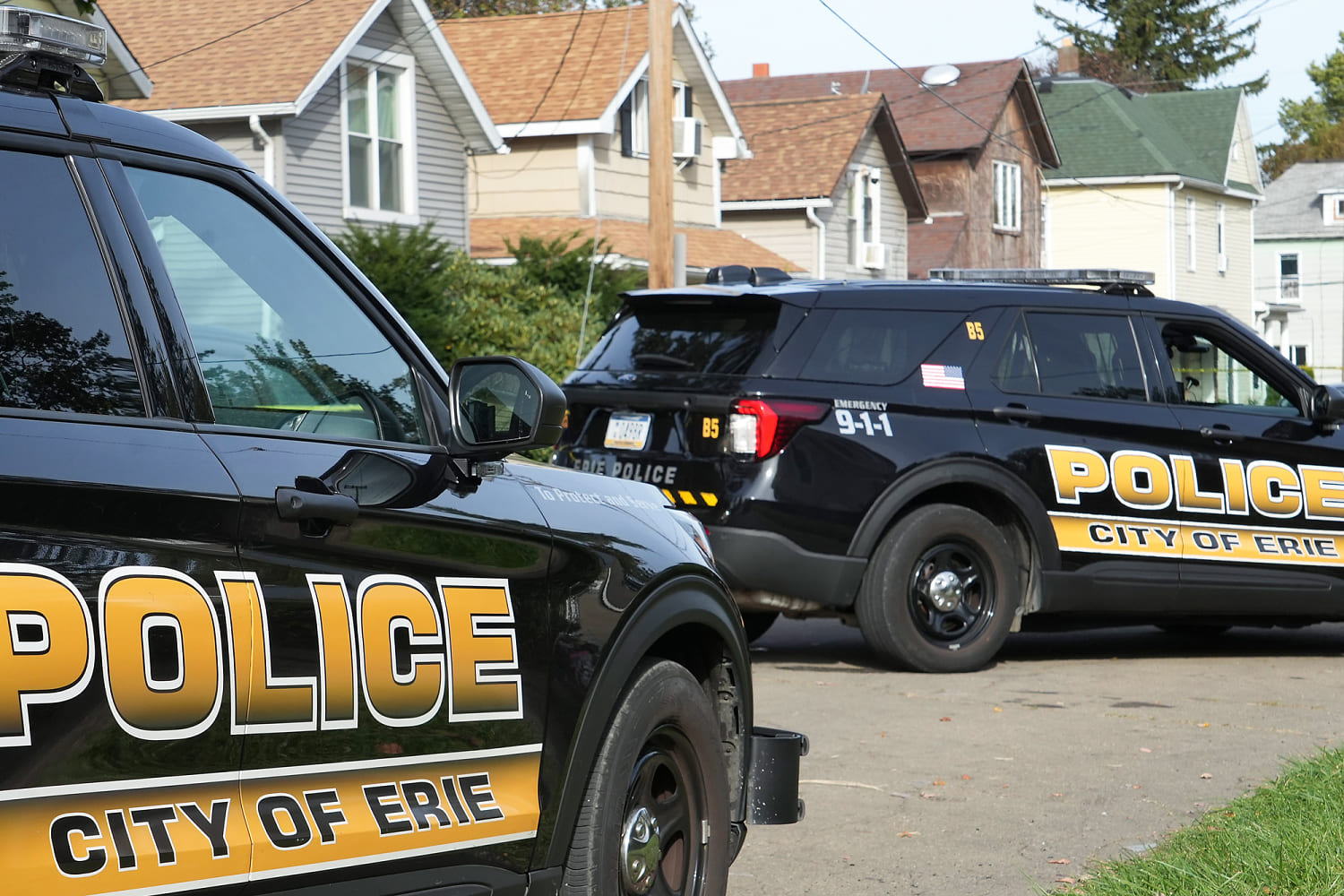
Consider the grim details emerging from a devastating mass shooting in Pennsylvania. Among the victims was the gunman's own pregnant daughter. Let that sink in. The violence didn't just spill out into a random public square; it turned inward, consuming the very people meant to be protected by family ties. It's a stark reminder that domestic turmoil and public violence frequently bleed into one another, creating a nightmare scenario for everyone involved. Meanwhile, you can explore related developments here: The Kimberly Guilfoyle Ouster is Not a Scandal. It is Strategic Political Scapegoating.
Understanding the Anatomy of Domestic Violence Turning Lethal
We talk about mass shootings as isolated incidents of public rage, but criminologists and domestic violence experts know a different truth. A staggering percentage of mass casualty events start at home. They begin with coercive control, escalating abuse, and a breakdown of safety within the domestic sphere before exploding outward.
When you look closely at cases where perpetrators turn weapons on their own flesh and blood, you see a specific pattern of escalation. To see the bigger picture, check out the recent article by BBC News.
- Control slips away.
- The perpetrator feels a desperate loss of power.
- Violence becomes the final, catastrophic tool to exert dominance.
In the Pennsylvania incident, the inclusion of a pregnant family member among the victims shatters the comforting illusion that domestic abusers have limits. They don't. When someone decides to pick up a firearm with intent to kill, familial bonds offer zero immunity. In fact, those closest to the shooter are often the most vulnerable targets precisely because of their proximity and accessibility.
The Warning Signs We Keep Missing
Society is terrible at intervening before the worst happens. Neighbors always say the same thing to reporters after a tragedy: "He seemed so quiet," or "We never expected this." But domestic violence leaves footprints if you know where to look.
Experts point to several red flags that consistently precede these tragedies:
- A documented history of domestic disputes or restraining orders.
- Recent, rapid escalation of threats or stalking behavior.
- Sudden acquisition of firearms combined with expressions of despair or intense grievance.
- Extreme isolation of family members within the household.
If you suspect someone you know is trapped in an abusive environment, waiting for them to ask for help is a losing game. Abuse thrives on isolation and shame. Victims often hide the severity of their situation because they fear retaliation or lack the financial means to leave. That's why community intervention and accessible crisis resources matter so much. Organizations like the National Domestic Violence Hotline provide confidential support 24/7, offering a lifeline for anyone trying to navigate an unsafe home.
Breaking the Cycle of Silence
We have to change how we talk about violence in our communities. Sweeping domestic abuse under the rug as a "private family matter" costs lives. When threats turn physical, or when firearms enter an unstable domestic equation, the stakes rise exponentially.
Protecting vulnerable family members requires active vigilance. It means taking threats seriously the first time they are uttered. It means supporting robust red flag laws that temporarily remove firearms from individuals exhibiting dangerous, volatile behavior. Most importantly, it means refusing to look away when something feels fundamentally wrong behind closed doors.
The fallout from the Pennsylvania shooting will echo for years in courtrooms, counseling offices, and grieving living rooms. Honor the victims not by treating this as a bizarre anomaly, but by confronting the harsh realities of domestic terror head-on. Pay attention to the warning signs in your own orbit, support local advocacy groups working on the front lines of abuse prevention, and refuse to let violence hide in plain sight.