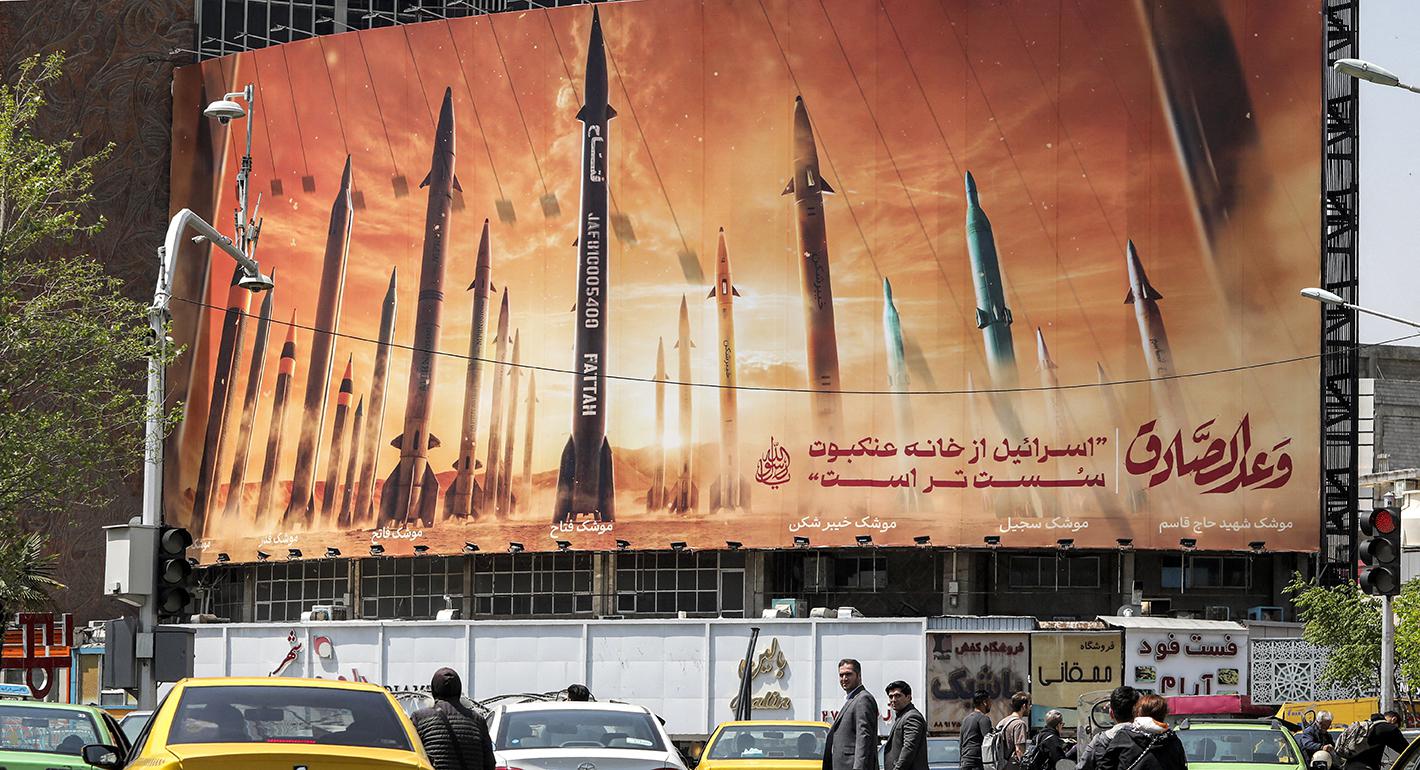
The drums of war with Iran aren't just beating; they’re screaming. If you’ve been watching the headlines lately, it feels like we’re stuck in a loop of "almost" and "just about to." We see drone strikes, intercepted missiles, and fiery speeches from world leaders. It’s exhausting. But here’s the reality most people miss: a full-scale war with Iran wouldn't look like anything we've seen in the last thirty years. It wouldn’t be a repeat of Iraq. It would be a global economic and humanitarian nightmare that makes previous conflicts look like a warm-up.
Right now, the window for talking is shrinking. Hardliners on both sides are pushing the narrative that force is the only language the other understands. They’re wrong. Force hasn't worked. Decades of sanctions and "maximum pressure" haven't stopped the centrifuges or the regional proxy battles. If anything, it’s pushed the Iranian leadership into a corner where they feel they've got nothing to lose. That’s a dangerous place for a nation with a sophisticated military and a strategic grip on the world’s energy veins.
We need to stop pretending that a few surgical strikes can solve a forty-year geopolitical standoff. It’s time for a reality check.
The Ghost of Failed Interventions
Whenever someone mentions military action against Iran, I think back to the early 2000s. We heard the same certainties then. We were told it would be a "slam dunk." We were told we’d be greeted as liberators. Instead, we got decades of instability and trillions of dollars wasted. Iran is a different beast entirely. It’s a country of 88 million people with a rugged geography that is a natural fortress.
An invasion isn't just "difficult." It's impossible without a total global mobilization that nobody has the stomach for. Even a limited bombing campaign to "set back" the nuclear program is a pipe dream. You can’t bomb knowledge. Iran’s nuclear scientists are already there. Their facilities are buried deep under mountains. A strike might delay things by a year or two, but it would also guarantee that Iran kicks out every international inspector and races for a bomb to ensure it never gets hit again.
War creates the very thing it tries to prevent. It’s a paradox that hawks refuse to acknowledge. They see a target; they don’t see the second-order effects. They don't see the retaliation in the Strait of Hormuz.
The Economic Suicide of a Conflict
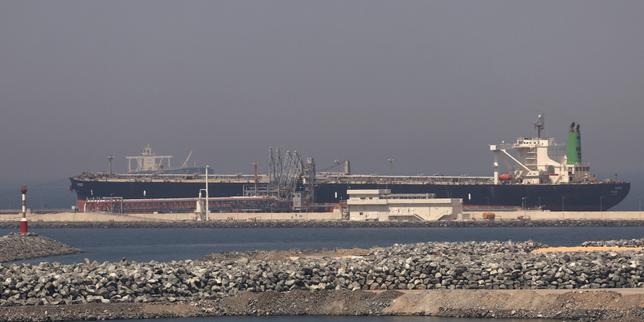
Let's talk about your wallet. This isn't just about high-minded ideals or "world peace." It’s about the fact that 20% of the world’s oil passes through the Strait of Hormuz. Iran has spent decades perfecting its ability to shut that door. They don’t need an aircraft carrier to do it. They have thousands of fast-attack boats, sea mines, and shore-to-ship missiles.
If that strait closes for even a week, global oil prices don't just rise. They explode. We’re talking about $200 or $300 a barrel. Imagine the cost of gas at your local station doubling or tripling overnight. Think about the shipping costs for every single thing you buy on Amazon. The global economy is still fragile. A war in the Persian Gulf would likely trigger a depression that would make 2008 look like a minor market correction.
Western leaders know this. It’s why, despite the tough talk, there’s always a hesitation to pull the trigger. They know they can’t protect the global supply chain from a determined Iranian asymmetric response. Diplomacy isn't a sign of weakness here; it’s a sign of economic self-preservation.
Breaking the Cycle of Sanctions and Sabotage
We’ve tried the stick. We’ve tried it for years. Sanctions have hurt the Iranian people—badly. They’ve struggled to get medicine and basic goods. But have sanctions changed the regime's behavior? Not really. In fact, the Iranian government has become more entrenched. They use the sanctions as a tool for propaganda, blaming every domestic failure on "Western arrogance."
The Nuclear Deal as a Blueprint
Many people love to hate the JCPOA (the 2015 nuclear deal). It wasn't perfect. It didn't solve everything. But it did one thing incredibly well: it put eyes on the ground. When the U.S. walked away from that deal in 2018, we lost our visibility. We traded a functioning (if flawed) oversight system for a "trust me, they're doing bad things" approach.
Since then, Iran has increased its uranium enrichment to levels that are frankly terrifying. They’re closer to a weapon now than they were when the deal was in place. That’s a fact. The policy of "maximum pressure" resulted in "maximum enrichment." If you’re a strategist, you have to admit that the strategy failed.
Diplomacy requires talking to people you don't like. It's not about friendship. It's about interests. We need a new framework that addresses not just the nuclear issue, but regional security and ballistic missiles. But you can't get to those "big" issues if you won't even sit at the table for the small ones.
Why Regional Players are Changing Their Tune
Interestingly, the countries closest to Iran—the ones who have the most to fear—are starting to move toward diplomacy. Look at the recent rapprochement between Saudi Arabia and Iran, mediated by China. After years of a brutal proxy war in Yemen, the Saudis realized that a direct conflict with Iran would be catastrophic for their "Vision 2030" economic plans. You can't build a futuristic tourist destination if missiles are flying over the border.
If the regional powers are deciding that talking is better than shooting, why are voices in Washington and Tel Aviv still so focused on the military option?
- Security Dilemma: When one side builds up, the other side feels less safe and builds up more. This is exactly what's happening.
- The Proxy Trap: Both sides are being dragged into conflicts by their allies (Hezbollah, Houthis, etc.), making it harder for the principals to de-escalate.
- Miscalculation: This is the biggest fear. A rogue commander or a misinterpreted radar blip could start a war that neither Tehran nor Washington actually wants.
The Human Cost Nobody Mentions
We talk about "regime change" as if it’s a software update. It’s not. It’s blood. It’s millions of refugees flooding into Europe and neighboring countries. It’s the destruction of one of the oldest civilizations on earth. The Iranian people are highly educated, young, and largely pro-Western in their outlook. They are the best hope for a long-term change in the country. Bombing them is the fastest way to turn a pro-reform population into a nationalist block that supports the very government they currently protest against.
I’ve seen this happen in other parts of the world. External threats almost always strengthen the hand of the hardliners. It gives them an excuse to crack down on dissent in the name of "national security." If we want a different Iran, we need to create the conditions where the Iranian people can breathe, trade, and connect with the rest of the world.
A Path Forward Without Bullets
So, what do we do? We start by lowering the temperature. We need direct lines of communication between the U.S. and Iranian militaries to prevent accidents. We need to offer incremental sanctions relief in exchange for verifiable freezes in enrichment. It doesn’t have to be a "grand bargain" all at once. Small wins build trust.
We also have to stop the "all or nothing" rhetoric. Demanding that Iran completely surrender its influence in the Middle East before we even talk is a non-starter. It’s not going to happen. We have to negotiate based on the world as it is, not as we wish it would be.
Diplomacy is slow. It's boring. It’s frustrating. It involves sitting in windowless rooms in Vienna or Geneva for weeks on end, arguing over the placement of a comma. But it's infinitely cheaper and more effective than the alternative.
If you care about global stability, the price of your commute, or the lives of millions of people, you should be a loud advocate for the diplomatic track. The alternative is a fire that we might not be able to put out for a generation.
Next time you see a headline about "imminent strikes," ask yourself who benefits from that chaos. It isn't you. It isn't the Iranian people. It's only the people who sell weapons and those who thrive on fear. We've seen this movie before. Let's change the ending.
Push your representatives to support de-escalation. Support organizations that promote track-two diplomacy. We have to make the case that peace isn't just a moral choice—it's the only practical one left on the table.