Geopolitical instability in the Middle East functions as a primary tax on global economic growth by injecting a permanent risk premium into Brent Crude pricing. When regional friction escalates, markets do not merely react to physical shortages; they price in the probability of a "tail risk" event—a systemic failure of transit chokepoints or the destruction of production infrastructure. Understanding the current surge in energy prices requires moving beyond the surface-level narrative of "conflict" and analyzing the specific structural vulnerabilities of the global energy supply chain.
The Triad of Energy Risk Drivers
The volatility currently observed in global markets is not a singular phenomenon but the convergence of three distinct risk vectors. Each operates on a different timeline and carries a unique impact on the Consumer Price Index (CPI).
- Kinetic Disruption of Transit Chokepoints: The Strait of Hormuz and the Bab el-Mandeb represent the most significant physical bottlenecks. Approximately 20% of the world’s daily oil consumption passes through Hormuz. A credible threat to this passage creates an immediate upward shift in the futures curve, as there is no viable short-term alternative for the volume of crude involved.
- Sovereign Production Impairment: This involves direct strikes on upstream assets—wellheads, processing plants, and storage tanks. Unlike transit threats, which are often temporary or bypassable at a higher cost, infrastructure damage removes supply from the market for months or years, forcing a fundamental rebalancing of the global supply-demand equation.
- The Geopolitical Risk Premium: This is a psychological and financial overlay. Even if not a single barrel of oil is lost, the potential for loss causes traders to hedge long positions. This premium typically fluctuates between $5 and $15 per barrel depending on the perceived escalation ladder.
The Elasticity Problem and Strategic Reserve Limitations
A common misconception is that the United States or OPEC+ can instantly neutralize supply shocks through the release of reserves or the activation of spare capacity. This view ignores the technical and logistical constraints of the global oil market.
The SPR Depletion Constraint
The U.S. Strategic Petroleum Reserve (SPR) has been utilized extensively over the last 36 months to combat inflationary pressures. While effective as a short-term dampener, the SPR is currently at a multi-decade low. Its ability to act as a buffer against a sustained Middle Eastern supply shock is mathematically diminished. The market recognizes that the "shield" is thinner than it was in 2019, which emboldens speculative bidding.
The Spare Capacity Illusion
OPEC+, specifically Saudi Arabia and the UAE, maintains "spare capacity"—the ability to bring extra barrels online within 30 to 90 days. However, this capacity is not a global panacea. High-sulfur "sour" crude from the Gulf cannot be seamlessly swapped for light "sweet" crude required by many complex refineries without significant adjustments to refinery yields and processing costs. A supply shift often results in a "quality mismatch," where even if the total volume of oil is sufficient, the specific type of oil needed to produce diesel or jet fuel is in short deficit.
Supply Chain Contagion and the Inflationary Feedback Loop
The energy market does not operate in a vacuum. A spike in Brent Crude triggers a cascade of secondary and tertiary economic effects that are often more damaging than the initial price increase at the pump.
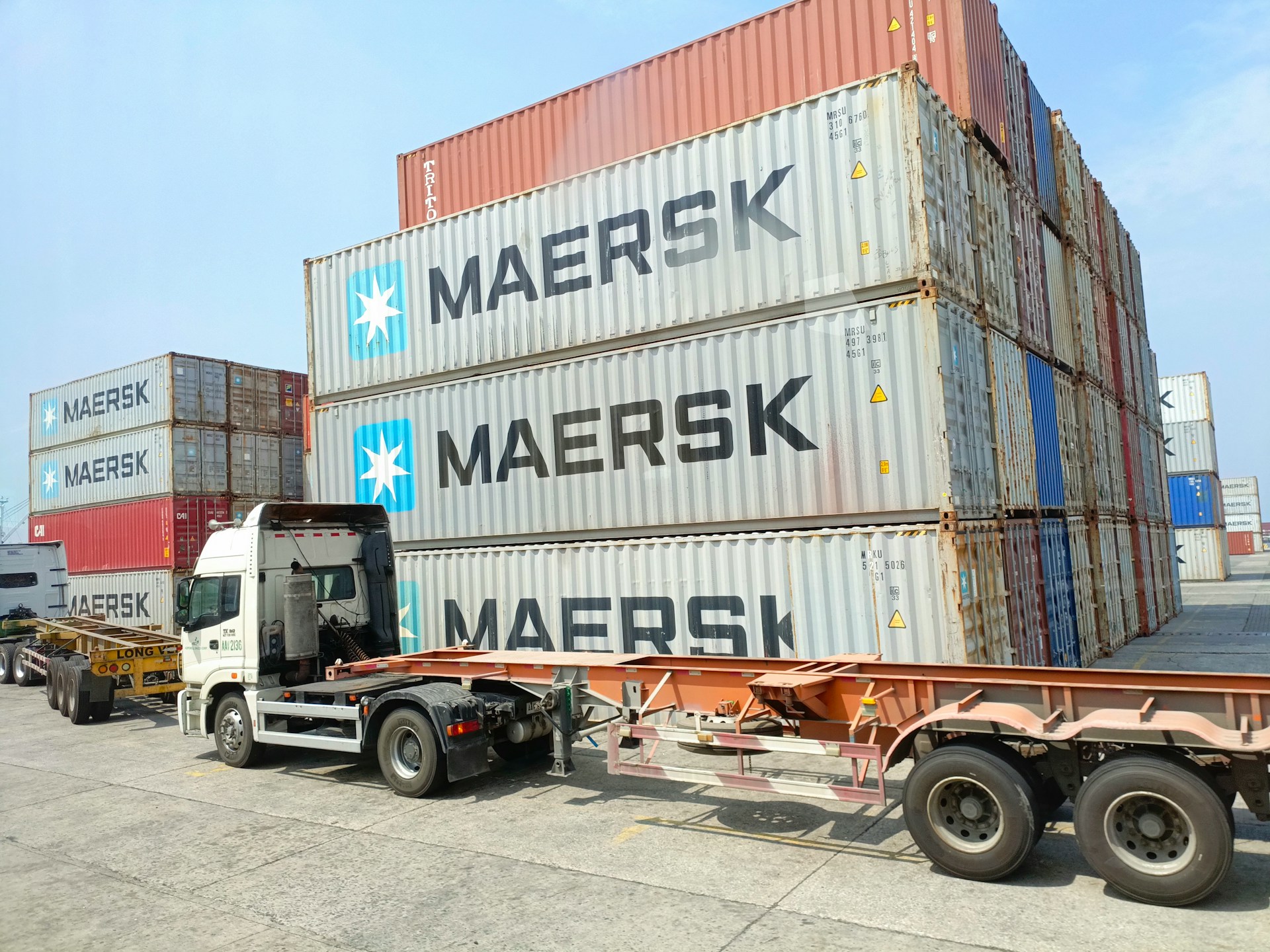
- Freight and Logistics Surcharges: As bunker fuel prices rise, the cost of maritime shipping increases. This is compounded if vessels are forced to reroute around the Cape of Good Hope to avoid conflict zones, adding 10 to 14 days to transit times and effectively reducing the global fleet's carrying capacity.
- Fertilizer and Food Security: Natural gas is the primary feedstock for nitrogen-based fertilizers. Middle Eastern instability often correlates with volatility in regional gas hubs. Higher input costs for farmers lead to higher "gate prices" for crops, resulting in food price inflation six to nine months down the line.
- Petrochemical Feedstock Costs: From plastics to pharmaceuticals, the industrial base relies on petroleum derivatives. Sustained high energy prices erode the margins of manufacturers, who eventually pass these costs to consumers to maintain solvency.
Theoretical Framework The Escalation Ladder
To quantify the potential impact of Middle Eastern conflict on energy, analysts must map events onto an escalation ladder. Each rung represents a step-change in market pricing:
- Rung 1: Rhetorical Escalation: Verbal threats and diplomatic breakdowns. Impact: +$2-4/barrel.
- Rung 2: Proxy Interference: Non-state actors targeting individual tankers or low-output pipelines. Impact: +$5-8/barrel, increased insurance premiums.
- Rung 3: Targeted Infrastructure Strikes: Drone or missile attacks on secondary processing facilities. Impact: +$10-15/barrel.
- Rung 4: Chokepoint Blockade: Partial or total closure of the Strait of Hormuz. Impact: +$30-50/barrel, potential for three-digit oil prices.
The current market state is hovering between Rung 2 and Rung 3. The danger lies in the "volatility cluster," where a single miscalculation by a regional power can jump the market several rungs instantly, bypassing the gradual price discovery process.
Strategic Asset Allocation in High-Volatility Environments
For institutional investors and corporate treasury departments, the "buy the dip" mentality is insufficient when dealing with systemic energy risks. A more rigorous approach involves a "barbell strategy" for energy exposure.
On one side of the barbell, entities must maintain exposure to traditional upstream energy equities. These firms act as a natural hedge; their revenues expand in tandem with the commodity price, protecting the entity against its own rising energy costs. On the other side, a shift toward decentralized energy infrastructure—specifically onsite renewables and long-duration battery storage—serves to decouple the organization from the global grid's volatility.
The second limitation of current corporate strategy is the reliance on "Just-in-Time" energy procurement. In an era of geopolitical fragmentation, the cost of "Just-in-Case" inventory (physical storage and long-term fixed-price contracts) must be viewed as an insurance premium rather than an inefficiency.
The Divergence of Brent and WTI
A critical nuance often missed is the widening spread between Brent (the global benchmark) and West Texas Intermediate (the U.S. benchmark). During Middle Eastern crises, Brent typically trades at a significant premium. This creates a competitive advantage for North American manufacturers who benefit from lower domestic energy costs, but it also increases the pressure on European and Asian economies that are almost entirely dependent on the Brent-linked seaborne market. This divergence can lead to "de-industrialization" in regions where energy costs become permanently decoupled from the global average.
The strategic play for the next 18 months is clear: prioritize energy density and supply-chain redundancy. Organizations must audit their direct and indirect energy dependencies, moving away from unhedged spot-market exposure. The era of cheap, predictable energy is not merely "on pause"; it has been replaced by a structural era of risk where energy is used as a tool of statecraft. Companies that fail to price in a permanent $15 "geopolitical tax" on their operations will find their margins evaporated by the next inevitable spike in the escalation ladder.
To mitigate this, execute a systematic transition to fixed-cost energy PPA (Power Purchase Agreements) and increase physical fuel reserves to a minimum of 60 days of operational requirements. This is no longer an operational choice but a fundamental requirement for balance sheet resilience.