You can watch entire cargo fleets grind to a halt on the Rhine while historic shipwrecks peek through the mud of a drying Danube. Europe is baking. Consecutive summer heatwaves have pushed the continent's most critical waterways down to historic lows. This isn't a distant environmental projection. It is happening right now, crippling supply chains, squeezing energy grids, and altering everyday life from the North Sea to the Black Sea.
If you think this is just a local weather blip, you're missing the broader economic shockwave. Let's look at what's actually going on beneath the surface of Europe's historic drought.
The Real Toll on Logistics and Heavy Industry
Europe's rivers are working highways. Cargo ships move millions of tons of coal, chemicals, and oil products through these inland channels every single day. When water levels drop, barges cannot carry full loads without running aground.
Take the Rhine chokepoint at Kaub, near Frankfurt. Water levels have dipped toward critical thresholds not seen since modern record-keeping began. Shipping companies are forced to load vessels to a fraction of their normal capacity. Freight costs spike instantly. Manufacturers in Germany and Switzerland scramble to find alternative rail or truck transport, which is often unavailable or prohibitively expensive.
Heavy industry feels this immediately. Chemical complexes and manufacturing hubs rely on these waterways for both raw materials and cooling processes. When the supply chain stutters, production slows down.
Energy Grids Under Pressure
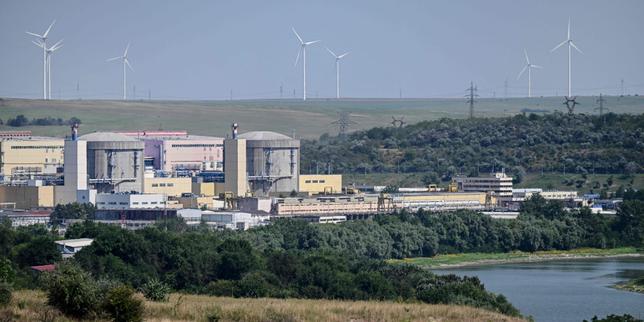
Water is the invisible fuel of Europe's power grid. Nuclear and thermal power plants depend on massive volumes of river water to cool their reactors. When river temperatures rise and water volumes plummet, power plants face a harsh operational ceiling.
Hungary's Paks nuclear plant has had to cut output significantly because the Danube simply cannot supply enough cool water to run at full capacity. Similar strains affect energy infrastructure in Romania and France. Power generation drops just as demand surges from air conditioning units running full blast across the continent.
Prices jump. Utilities sweat. The interconnected European grid absorbs the shock, but the margins for error grow dangerously thin.
Ghost Ships and Ancient Relics
When nature pulls back the curtain, history steps out. The receding waters of the Danube have exposed dozens of German warships scuttled during the final months of World War II near the Serbian-Romanian border. These rusted hulls, loaded with explosives, pose active navigation hazards.
Further north, ancient artifacts and even prehistoric remains have emerged from parched riverbeds. While striking for photographers and historians, these grim landmarks serve as stark reminders that current dry spells match or exceed centuries-old extremes.
Adapting to a Shifting Climate Reality
Infrastructure across the continent was built for a different climate era. Locks, dams, and channel depths designed in the twentieth century cannot cope with recurring, multi-month dry spells.
Governments are scrambling with short-term fixes. Romania has used controlled underwater explosions to deepen channels and force water toward nuclear intake pipes. Dredging operations run around the clock on major shipping routes.
Yet dredging only does so much when the rain doesn't fall. Cities and agricultural sectors now face tough restrictions on water usage. Farmers from France to Italy watch their corn and crop yields wither under baked topsoil, forcing food prices upward.
You cannot engineer your way out of a fundamental water deficit with temporary patches. Communities are learning that water conservation must become permanent policy rather than an emergency response. The dry riverbeds of Europe are a warning shot for industrial economies everywhere. Fix the baseline assumptions, or watch the water run out.