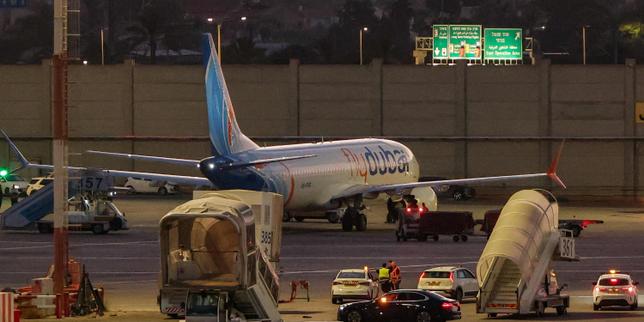
The media treats every single aviation incident in the Middle East like an impending geopolitical collapse. When an occurrence happens on a commercial flight between hubs like Dubai and Tel Aviv, the standard playbook immediately kicks into high gear. Official statements roll out, solemn investigations are announced, and experts on television panels furrow their brows about regional stability and airspace safety.
It is entirely performative.
The lazy consensus is that an official inquiry into a commercial flight incident in
Why the Flydubai Investigation is Missing the Real Aviation Risk
travel, news
Investigations into flight incidents usually follow a predictable, bureaucratic script. When a disturbance occurs on a route like Dubai to Tel Aviv, regulators rush to announce official inquiries, promising complete transparency and systemic overhauls. Everyone nods along, assuming that launching another commission makes the skies safer.
That assumption is completely backward.
Official inquiries into high-profile corridor incidents often function as political theater rather than safety enhancements. They soothe jittery passengers and give diplomats a paper trail of action. Meanwhile, the actual vulnerabilities in modern flight operations—human fatigue management, regional airspace de-confliction protocols, and the brittle nature of tightly scheduled middle-eastern transit hubs—remain untouched.
Commercial aviation is one of the safest systems ever engineered precisely because it relies on cold, hard data and immediate operational feedback loops, not multi-month political inquiries. When a carrier experiences an unusual event, the mechanical or procedural root cause is usually identified within hours by internal safety teams using flight data recorder dumps. The subsequent public investigation rarely adds technical value; instead, it dilutes accountability across committees and softens the edges of uncomfortable findings to protect diplomatic optics.
Relying on bureaucratic oversight to fix operational anomalies is a trap. If travelers want to understand how risk actually manifests on cross-border routes, they should look past the press releases about commissions and examine how airlines handle crew rotation, turnaround pressures, and real-time threat intelligence sharing.
Real safety isn't legislated by a committee after the fact. It is engineered into the cockpit long before pushback.