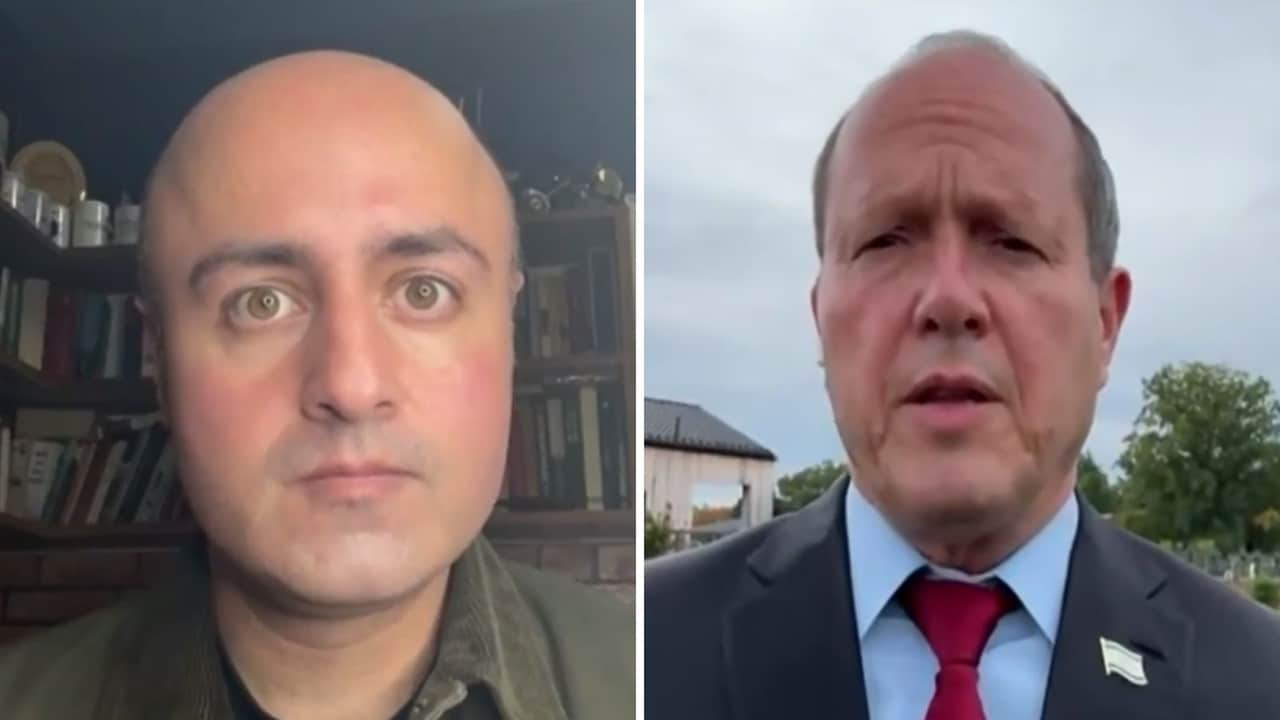
Mainstream media commentary loves a simple fable. They want you to believe that international diplomacy is a high school drama club where stern lectures can alter the trajectory of empires. When headlines trumpet that Vladimir Putin praised Narendra Modi for "good ideas" on ending the Russia-Ukraine war, the lazy consensus in foreign policy columns writes itself. Analysts nod sagely, talking about moral authority, non-alignment nostalgia, and India acting as a magical bridge between the East and the West.
It is all a comforting delusion.
I have watched desks of pundits blow millions of words analyzing hollow diplomatic theater while missing the cold, transactional mechanics underpinning modern statecraft. New Delhi is not running a mediation service out of moral benevolence. Moscow is not hunting for tactical blueprints from South Block because Vladimir Putin suddenly woke up inspired by Gandhian philosophy. To understand why these headlines completely miss the target, you have to strip away the PR gloss and look at the brutal balance sheet of energy security, defense supply chains, and strategic autonomy.
The lazy narrative treats Modi’s "not an era of war" line or his recent calls to move from "endless war to end of war" as some sort of moral reprimand that stings the Kremlin. That is pure fantasy. Moscow does not care about moral lectures; Moscow cares about resilience against Western sanctions. India does not care about mediating European border disputes; India cares about cheap crude oil keeping domestic inflation anchored and Russian spare parts keeping its Soviet-legacy defense hardware operational.
When Putin praises Indian ideas, he is acknowledging a masterclass in hedging. India is buying discounted Russian crude by the tanker-load, processing it, and selling refined products globally, all while maintaining a strategic embrace with Washington through the Quad. That is not peace activism. That is ruthless national self-interest executed with surgical precision.
To break down why the standard commentary fails, we must look at the structural incentives. Western analysts want India to pick a side. They frame New Delhi's multi-alignment as a tightrope walk ready to snap. But multi-alignment is not a tightrope; it is a wide, reinforced concrete bridge built specifically to withstand crosswinds. When India tells both Kyiv and Moscow that dialogue is the only path forward, it is buying time and strategic space. It is a diplomatic holding pattern designed to ensure that no matter how the chips fall in Eastern Europe, New Delhi's energy grid stays powered and its military arsenals stay stocked.
Consider the alternative scenario often pitched by European think tanks: what if India publicly condemned Moscow and joined the Western sanctions regime overnight?
The domestic economic shock would be catastrophic. Energy prices would spike, industrial output would stutter, and India would instantly handcuff its own economic growth to satisfy foreign capitals that routinely ignore New Delhi's security concerns in South Asia. No sane leader makes that trade. Modi’s persistence on dialogue is a diplomatic shield, not a peace plan. It allows India to look statesmanlike on the global stage while securing the cut-rate commodities required to lift millions out of poverty.
The pundits also misunderstand how Moscow views New Delhi right now. Russia is diplomatically isolated from the G7, meaning its economic pivot to Asia is an existential necessity, not a casual choice. Beijing is the senior partner in that axis, and Moscow knows it. For Russia, India is the vital counterweight to prevent complete strategic dependency on China. Putin praising Indian ideas is a calculated signal to Beijing that Moscow has options outside of the Middle Kingdom. It has nothing to do with finding a magical diplomatic off-ramp for the Donbas.
Stop buying the fairy tales about global moral leadership. In the arena of great power competition, countries do not follow philosophies; they follow leverage. India has maximized its leverage by refusing to be bullied into compliance by either Washington or Moscow. The next time you read a breathless report about a breakthrough peace idea whispered in a bilateral meeting, remember that the real action isn't happening in front of the cameras. It is happening in the quiet, unsexy calculus of oil tankers, currency swaps, and defense manufacturing agreements.
The diplomats are playing chess. The pundits are playing checkers. And the rest of us are left reading fairy tales written by people who have never had to manage an energy crisis.
This video provides a direct look at the official news coverage regarding Vladimir Putin's statements praising Prime Minister Modi's diplomatic stance on the conflict.