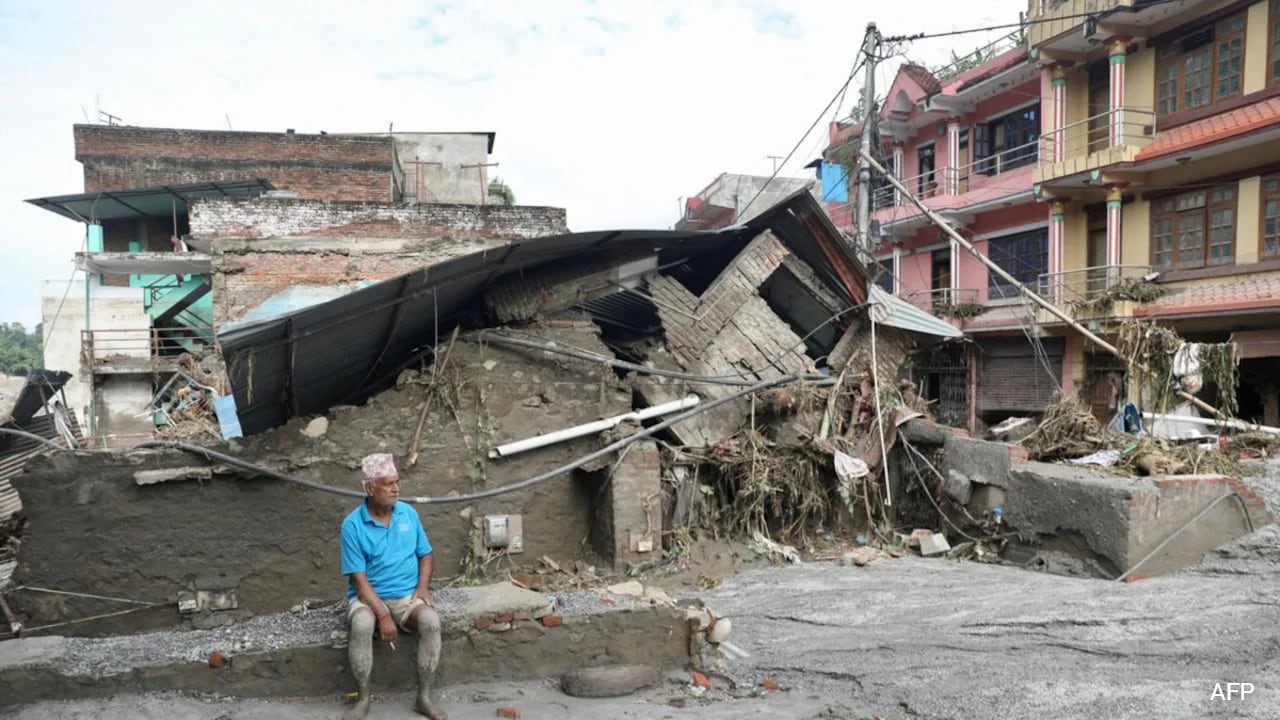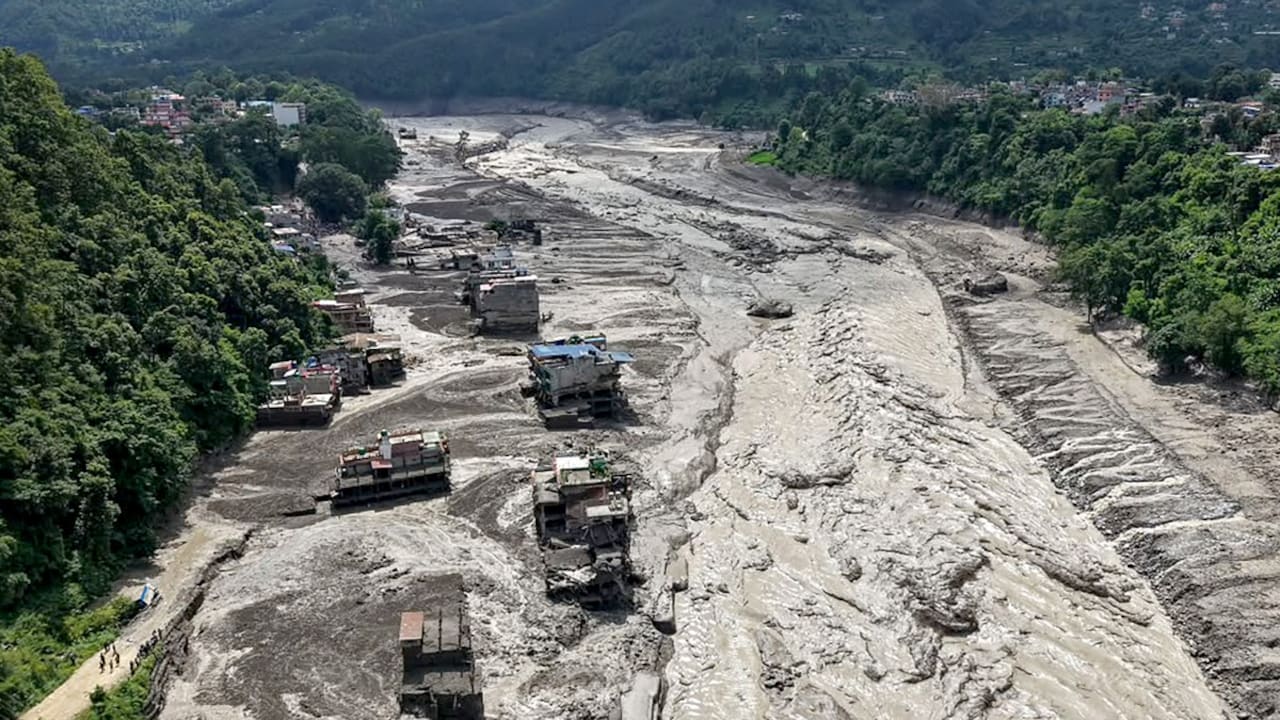
The silence on the other end of the phone line is absolute torture. When a glacial collapse along the Tibet-Nepal border sent a wall of water rushing down the Himalayas, communication networks shattered instantly. Whole settlements vanished beneath mud and debris. Now, hundreds of families are trapped in a nightmare of not knowing if their loved ones survived.
Gathered outside hospitals in Kathmandu and huddled near rescue command centers, relatives clutch printed photographs and mobile phones that refuse to ring. The confirmed death toll climbs past 350, while over a thousand people remain unaccounted for. This disaster isn't just a distant weather headline. It's an active, unfolding human catastrophe measured in agonizing hours of waiting.
The Scale of the Crisis
You need to understand the sheer velocity of what happened. A sudden glacial collapse triggered catastrophic flash flooding along the Bhotekoshi river basin, catching tourists, pilgrims, and local residents completely off guard. Roads turned into raging torrents. Bridges washed away in seconds.
Rescue teams face nearly impossible conditions. Helicopters struggle against unstable weather, and blocked mountain passes mean heavy equipment can't reach the hardest-hit zones. Officials report that victims and missing persons hail from more than thirty countries, complicating identification efforts and stretching local emergency response to its absolute limit.
Families abroad are feeling this helplessness just as acutely. Relatives tracking the crisis from thousands of miles away rely on fragmented social media updates and official casualty lists that update too slowly.
Where to Find Information Right Now
If you're searching for someone caught in the disaster zone, standard communication channels are barely functioning. Official bodies and embassies are working around the clock, but coordination is messy.
- Check with your country's foreign ministry or local embassy, as many have set up dedicated emergency hotlines for citizens missing in Nepal and Tibet.
- Monitor updates from the Nepal Tourism Board, which is attempting to track stranded and unaccounted-for travelers across affected districts like Rasuwa.
- Reach out directly to local tour operators, trekking agencies, or hotels where your relative was last known to stay, provided phone lines are active.
The physical rescue operations will take weeks, but the emotional toll on these families is already permanent. As search teams comb through the wreckage along the border, the world watches and waits for news that too often doesn't come.
Families Await News of Missing Relatives After Nepal Floods
This short video clip shows relatives gathering at Bir Hospital in Kathmandu to await urgent news about family members missing in the flood zones.
http://googleusercontent.com/youtube_content/1