The Price of an Online Joke
Imagine spending 37 days in a county jail because of a Facebook post.
That is exactly what happened to Larry Bushart, a 61-year-old retired law enforcement officer from Tennessee. He shared a politically charged political meme. Local authorities didn't like it. So, they locked him up. They set his bail at a staggering $2 million. It sounds like something out of a authoritarian regime, but it happened right here in America.
The legal nightmare finally ended with an $835,000 settlement. Tennessee officials agreed to pay up after Bushart filed a federal civil rights lawsuit. The case is a brutal reminder of how fragile our constitutional rights can be when local officials decide to abuse their power. It also shows that violating the First Amendment carries a massive price tag for taxpayers.
The Meme That Sparks a Felony Arrest
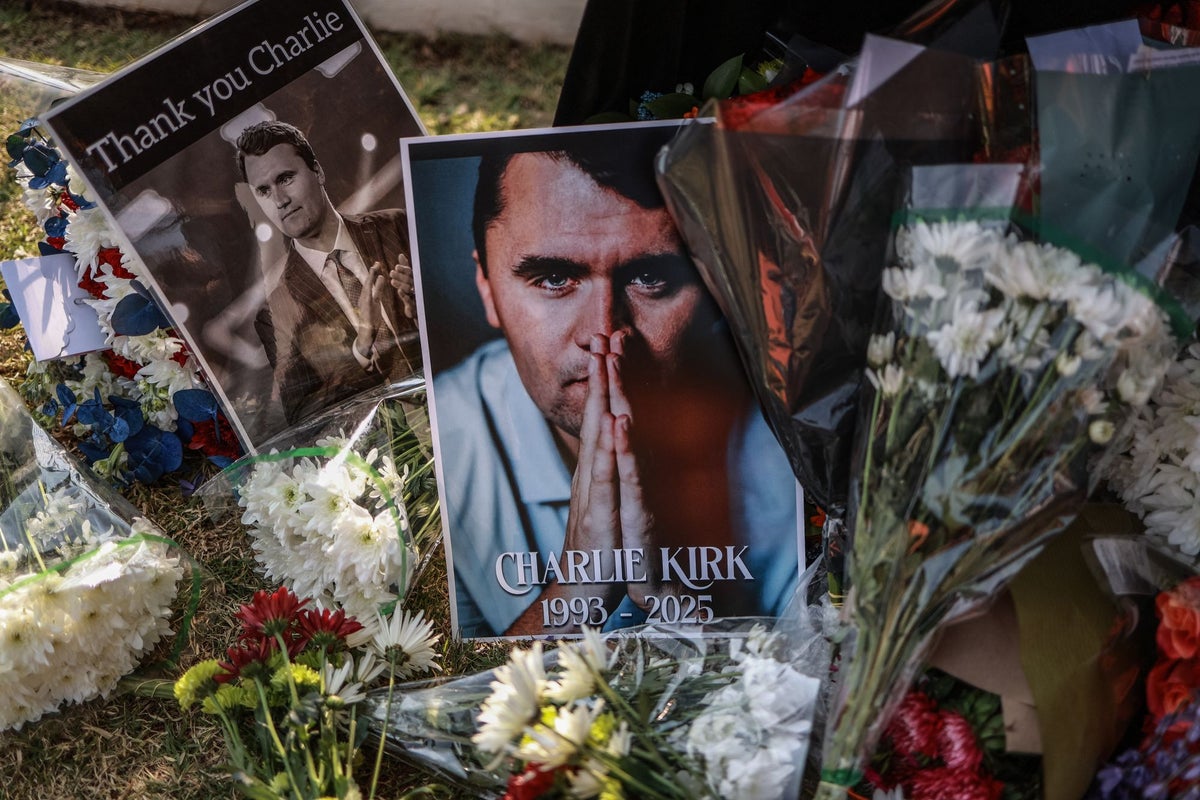
The trouble began in September 2025 following the assassination of conservative activist Charlie Kirk. The death triggered intense grief and fierce public debate across the nation. In Perry County, Tennessee, locals held a candlelight vigil to honor the conservative figure.
Bushart, sharing a different perspective, posted a pre-existing meme on his Facebook page. The image featured Donald Trump alongside a quote from 2024: "We have to get over it." Trump originally said those words after a tragic school shooting at Perry High School in Iowa. Bushart added a short caption: "This seems relevant today..."
Local officials flipped out.
Perry County Sheriff Nick Weems ordered an arrest. Investigators claimed Bushart threatened mass violence at a school. Their logic? Because the meme mentioned "Perry High School" in Iowa, they claimed residents feared Bushart was targeting the local Perry County High School in Tennessee.
It was a total stretch. Police bodycam footage revealed that even the responding officers were confused by the orders. One officer openly admitted to Bushart that he had no idea what the superiors were talking about.
A Deliberate Act of Retaliation
The justification for the arrest completely fell apart. Sheriff Weems later admitted in an interview that he knew the Facebook post was just an online meme. He knew Bushart wasn't threatening a local school. Yet, investigators intentionally omitted that crucial context from the arrest warrant application.
The local school district had no records of any complaints. No one on Facebook interpreted the post as a threat. The sheriff claimed the post caused community hysteria, but failed to provide any public records to back up that claim.
Instead, Bushart was treated like a dangerous criminal. He couldn't afford the $2 million bond, so he sat in jail for over a month. He missed his wedding anniversary. He missed the birth of his granddaughter. He lost his post-retirement job. The district attorney finally dropped the felony charge in October after the case drew intense national outrage.
Defending the First Amendment
With the help of the Foundation for Individual Rights and Expression, Bushart fought back. He sued Perry County, Sheriff Weems, and Investigator Jason Morrow in federal court for violating his First Amendment right to free speech and Fourth Amendment right against unlawful seizure.
Cary Davis, an attorney for FIRE, pointed out that the national commitment to free speech faces its toughest tests during periods of heightened political tension. When government officials fail to uphold that commitment, the civil court system serves as the primary mechanism for accountability.
The $835,000 settlement sends a definitive warning to law enforcement agencies nationwide. Social media posts might be offensive, controversial, or politically unpopular, but they are protected by the Constitution. Police departments cannot weaponize criminal charges to police political discourse or bully citizens into self-censorship.
Knowing Your Digital Rights
The Perry County settlement isn't just a win for one retired cop. It sets a precedent for every internet user. If you want to protect your own expression online, you need to understand where the legal lines are actually drawn.
- Political satire is heavily protected: Hyperbole, dark humor, and criticism of public figures or current events fall squarely under protected speech, even if the commentary offends your neighbors.
- The standard for a "true threat" is exceptionally high: For speech to be criminalized as a threat, the government must prove you intended to cause fear or systematically plan violence. Statements cannot be ripped out of context to manufacture a crime.
- Document everything if authorities overreach: Bushart's case succeeded because of bodycam footage, public records requests, and a clear paper trail showing the sheriff's department knew the charges were baseless.
If you ever find yourself targeted by local officials for speaking your mind, don't just stay silent. Reach out immediately to civil liberties organizations like FIRE or the ACLU. They have the resources to push back against unlawful censorship and ensure that small-town politics don't override federal constitutional rights.