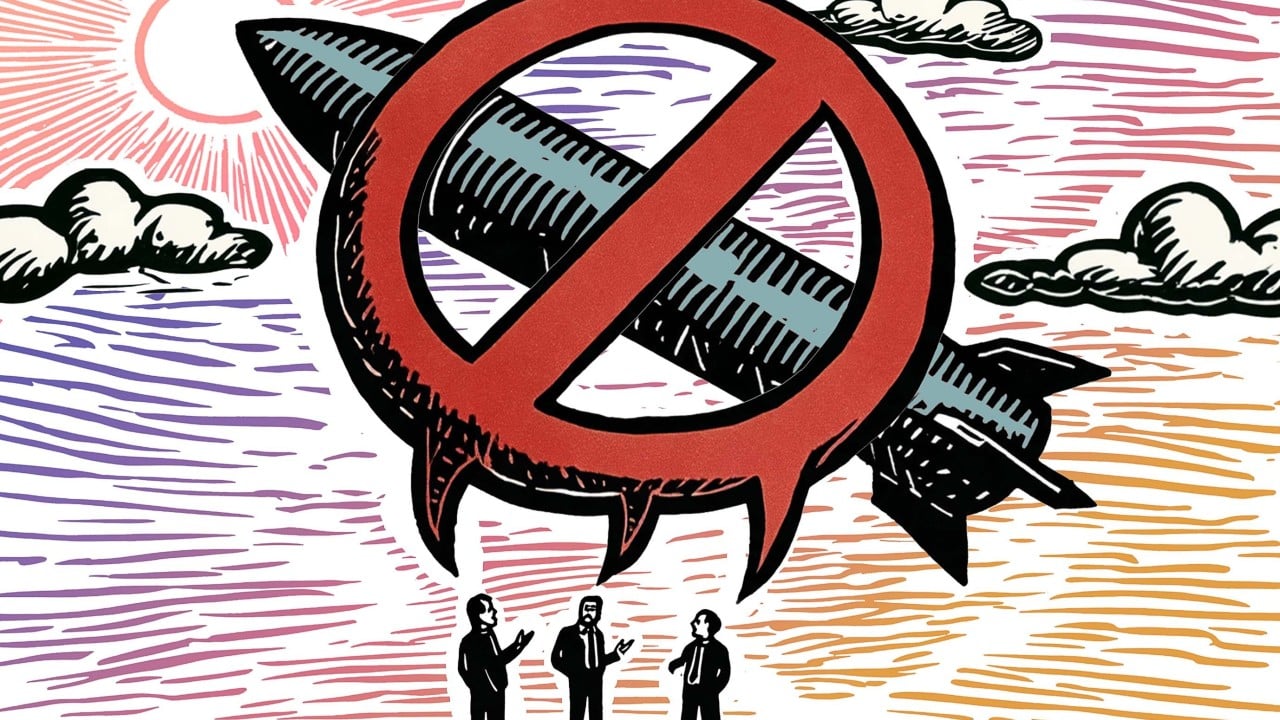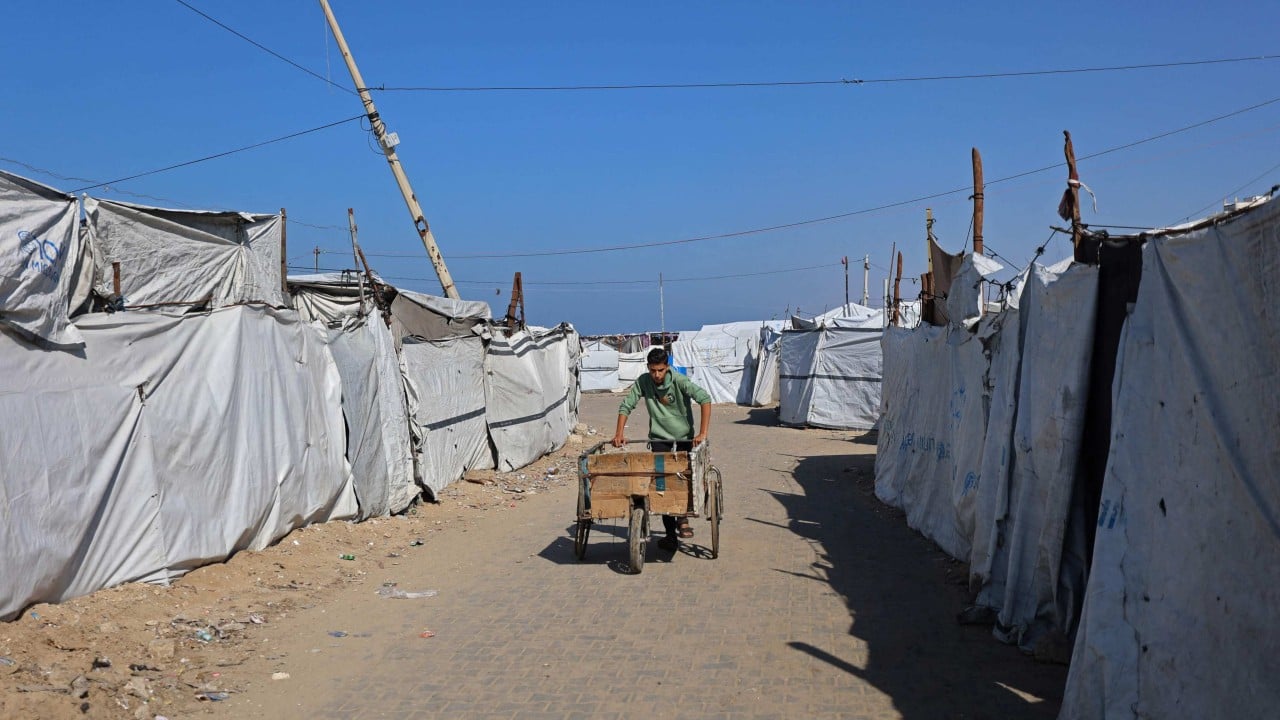
When Australia, the United Kingdom, Canada, and Italy issue a coordinated demand urging Israel to allow rapid humanitarian aid access into Gaza, the immediate public interpretation focuses on the urgency of the crisis. An operational analysis reveals a different reality. Joint diplomatic communiqués of this specific coalition represent a calibrated exercise in alliance management, domestic political pressure mitigation, and incremental signaling rather than an immediate mechanism for physical logistics change on the ground. Understanding why this specific quartet aligned requires mapping the friction between international humanitarian law, military blockade mechanics, and the domestic constraints facing Western center-left and center-right governments.
The Architecture of a Four-Nation Coalition
The composition of this group—comprising three Five Eyes intelligence partners alongside a major G7 European economy—is neither accidental nor purely humanitarian. Each state operates under distinct geopolitical constraints that dictate the precise language used in joint statements.
- The United Kingdom and Canada share deep institutional ties to the Commonwealth legal tradition and face intense domestic scrutiny from parliamentary committees and civil society organizations regarding arms export licensing criteria. Under domestic export control regimes, continuing to supply military components to a belligerent state becomes legally untenable if that state is found to be systematically obstructing humanitarian relief in violation of International Humanitarian Law (IHL).
- Australia operates with a smaller direct military footprint in the Levant but maintains strict adherence to multilateral rules-based order frameworks to preserve diplomatic capital across the Indo-Pacific. For Canberra, consistent application of IHL standards in the Middle East is directly tied to its ability to invoke those same legal norms when countering territorial coercion in maritime Asia.
- Italy brings the weight of the G7 presidency rotation and European Union Mediterranean border security concerns. Rome’s participation prevents the statement from being dismissed by Israeli policymakers as an exclusively Anglosphere initiative, anchoring the critique within continental European strategic interests.
The selection of the word "rapid" rather than "unconditional" or "immediate" reflects a deliberate diplomatic compromise. "Unconditional" implies a total cessation of Israeli inspection regimes, which none of these four governments actively demands due to shared intelligence assessments regarding dual-use goods and Hamas’s subterranean logistics network. "Rapid" targets the administrative and physical bottlenecks within the inspection pipeline without challenging the sovereign right of security screening itself.
Deconstructing the Humanitarian Supply Chain Bottleneck
Standard media coverage treats "aid access" as a binary switch—either the border is open or it is closed. In logistics engineering, humanitarian delivery into an active conflict zone functions as a multi-node supply chain subject to the Theory of Constraints. The throughput of the entire system is dictated entirely by its narrowest bottleneck, regardless of how much aid accumulates at staging areas in Egypt or Jordan.
Node 1: Pre-Clearance and Manifest Verification
Before a truck reaches a physical crossing, its manifest must pass bureaucratic clearance. Dual-use restrictions—covering items ranging from metal tent poles and water filtration chemicals to surgical anesthetics and solar generators—create severe upstream delays. A single contested item on a pallet can result in the rejection of an entire convoy, forcing a complete unload, repacking, and re-queueing cycle.
Node 2: Physical Screening Infrastructure
The primary terrestrial entry points, specifically Kerem Shalom (Karem Abu Salem) and Rafah, were engineered for peacetime commercial volume or limited bilateral transit, not the total caloric and medical sustenance of over two million displaced civilians. Acoustic, X-ray, and physical inspection protocols require specialized personnel and functioning infrastructure. When military operations degrade road networks or shift frontline zones, screening throughput drops precipitously.
Node 3: Last-Mile Distribution and Deconfliction
Clearing the border fence does not equate to aid delivery. Once inside Gaza, cargo enters an active combat environment characterized by collapsed municipal governance, destroyed roadways, and unexploded ordnance. Moving supplies from border holding zones to distribution points requires a functional deconfliction mechanism between the Israel Defense Forces (IDF) and humanitarian agencies such as UNRWA, the World Food Programme (WFP), and international NGOs.
The breakdown in last-mile distribution stems from three compounding failures:
- Communication Latency: Real-time tactical shifts at the battalion level frequently outpace centralized deconfliction approvals granted at the division or command level, leading to convoys being turned back at internal checkpoints or exposed to crossfire.
- Security Vacuum: The dismantling of local policing structures without a replacement security force has created pervasive desperation-driven looting and organized criminal interception of aid trucks along primary transit corridors like the Salah al-Din road.
- Fleet Attrition: Aid agencies face acute shortages of armored vehicles, spare parts, and fuel, reducing the daily transport capacity available to clear incoming pallets from the border terminals.
When Australia, the UK, Canada, and Italy demand "rapid" access, they are attempting to apply diplomatic pressure across all three nodes simultaneously, yet their leverage is unevenly distributed across the chain.
The Leverage Asymmetry in Coercive Diplomacy
Diplomatic statements operate on a spectrum of coercive utility. To evaluate the efficacy of this joint intervention, one must examine the actual tools of statecraft available to these four nations relative to the strategic calculus of the Israeli government.
Unlike the United States, which provides multi-billion-dollar annual military financing and critical precision-guided munitions replenishment, Australia, the UK, Canada, and Italy hold limited direct material leverage over IDF operational tempo. Their influence relies instead on secondary mechanisms:
- Diplomatic Insulation: Israel depends on a network of Western democracies to block or dilute punitive resolutions in multilateral forums, including the United Nations General Assembly, the Human Rights Council, and the International Criminal Court (ICC). When core allies publicly align against Israeli humanitarian policy, it signals an erosion of that diplomatic shield.
- Defense Industrial Supply Chains: While not primary suppliers of complete weapons platforms, the UK, Italy, and Canada produce critical sub-components—such as F-35 fighter jet parts, naval targeting systems, and specialized electronics. Public warnings regarding aid access frequently precede internal legal reviews of export licenses, creating medium-term procurement risks for the Israeli defense establishment.
- Trade and Bilateral Agreements: The UK and EU (via Italy) represent major trading partners. Prolonged divergence on humanitarian compliance complicates the ratification or expansion of bilateral trade treaties and research partnerships, such as Horizon Europe.
The limitation of this approach lies in Israel’s domestic political hierarchy of needs. For the Israeli cabinet, immediate operational security objectives and coalition survival supersede external diplomatic friction with middle powers. Unless a joint statement is backed by explicit, time-bound policy consequences—such as the immediate suspension of specific export licenses or targeted sanctions—the targeted state typically absorbs the reputational cost while maintaining its existing operational posture.
Second-Order Effects of Diplomatic Signaling
Issuing a joint communiqué does not occur in a vacuum; it triggers predictable behavioral adjustments among all actors involved in the conflict ecosystem.
First, it alters the negotiating calculus of non-state actors. When Hamas leadership observes public friction between Israel and major Western allies, it reinforces a core pillar of their asymmetric warfare strategy: outlasting the opponent by weaponizing international isolation. Rather than incentivizing compromises in ceasefire or hostage negotiations, visible allied disunity can harden militant demands, prolonging the exact conflict conditions that obstruct aid delivery.
Second, it shifts the operational burden onto humanitarian agencies. Public political backing from donor states like the UK and Australia—both major financial contributors to UN humanitarian appeals—emboldens aid organizations to demand stricter security guarantees and expanded crossing openings from Israeli authorities. However, without physical enforcement mechanisms, aid workers remain caught between heightened donor expectations and unchanged ground realities.
Third, it establishes a public benchmark for future escalation. In diplomatic practice, a joint statement functions as a formal notice. By placing their concerns on the official record, Canberra, London, Ottawa, and Rome create the necessary bureaucratic paper trail to justify future unilateral actions—such as halting arms transfers or recognizing Palestinian statehood—if measurable improvements in aid throughput do not materialize within a defined window.
Metrics That Actually Measure Aid Access
Public discourse around Gaza aid frequently relies on raw truck counts per day. Analysts and logistics planners recognize truck counts as a flawed metric that obscures the true nutritional and medical reality inside the territory.
A rigorous assessment requires tracking four distinct operational indicators:
- Caloric and Nutritional Density per Ton: A truck loaded with bottled water or flour carries vastly different survival value than a truck loaded with blankets or non-food items. Measuring total metric tonnage of essential food staples and therapeutic nutrition supplies against the baseline WHO emergency requirement (approximately 2,100 kilocalories per person per day) provides an accurate measure of famine prevention.
- Dwell Time at Inspection Terminals: The average number of hours or days a shipment sits awaiting clearance between arrival at Al-Arish or Ashdod and final entry into Gaza measures administrative efficiency. Rising dwell times indicate deliberate bureaucratic friction or infrastructure failure.
- Deconfliction Approval-to-Execution Ratio: The percentage of planned internal humanitarian movements approved by military authorities that actually reach their intended destination without being aborted due to checkpoint delays, route closures, or security incidents.
- Commercial Sector Resumption: Humanitarian aid alone cannot sustain an urban population of over two million indefinitely. The volume of regulated private-sector commercial trucks permitted to enter Gaza serves as the primary indicator of whether basic market mechanisms and cold-chain supply networks are being allowed to recover.
Strategic Imperatives for Allied Policy Execution
For the diplomatic intervention by Australia, the UK, Canada, and Italy to transition from rhetorical signaling to measurable logistical impact, these governments must shift focus from broad public appeals to targeted operational interventions.
- Deploy Third-Party Inspection Personnel: Rather than demanding faster Israeli screening, allied nations should fund and deploy neutral, internationally accredited customs and security inspectors—utilizing models similar to the EU Border Assistance Mission (EUBAM)—at staging hubs in Cyprus, Egypt, and Jordan. Pre-clearing cargo at the point of origin eliminates the need for redundant physical unloading at the Gaza perimeter.
- Tie Diplomatic Support to Specific Throughput Thresholds: Replace vague calls for "rapid access" with private, quantified benchmarks communicated directly to Israeli defense planners—specifically targeting a reduction in terminal dwell times to under 24 hours and guaranteed daily throughput targets for northern Gaza crossings.
- Standardize Dual-Use Lists: Establish a unified, transparent list of approved medical, water-sanitation, and shelter materials agreed upon by the G7 and Israeli authorities, removing the arbitrary, case-by-case rejection power currently exercised at individual border checkpoints.
- Separate Commercial and Humanitarian Lanes: Pressure for the full reopening of dedicated northern crossings exclusively for humanitarian convoys while utilizing southern infrastructure to restore commercial supply chains, breaking the single-point-of-failure dependency that currently paralyzes distribution across the strip.