In a small, dimly lit cafe in the heart of Cairo, a taxi driver named Ahmed stares at a television screen bolted to the wall. The flickering blue light illuminates a face that hasn’t been seen in the Oval Office for years, but whose name currently carries the weight of a regional prayer. To Ahmed, the geopolitical posturing of world leaders isn't an abstract exercise in diplomacy. It is a calculation of whether he can afford to put meat on the table next week. When Egyptian President Abdel Fattah el-Sisi speaks about the return of Donald Trump, he isn't just talking about an election. He is talking about a lid on a boiling pot that is currently threatening to scald every kitchen from Alexandria to Oklahoma City.
The warning issued by Cairo was surgical in its bluntness. Sisi’s message suggests that without a specific brand of American intervention—one that favors rapid, decisive deal-making over protracted ideological stalemate—the world is staring down the barrel of oil at $200 a barrel.
That number is a phantom that haunts the dreams of economists. At $200, the global economy doesn't just slow down. It fractures.
The Mechanics of a Breaking Point
Most people view the price of oil through the lens of the digital display at their local gas station. They see a climb from $3.50 to $4.50 and feel a localized sting. But the reality is far more pervasive. Oil is the blood in the veins of modern civilization. It is the plastic in your medical IV drip. It is the fertilizer that grew the wheat in your pantry. It is the fuel for the ship carrying the microchips for your phone.
When President Sisi warns of a spike to $200, he is describing a world where the cost of living undergoes a violent, upward mutation. Consider the logistics of a simple loaf of bread. The tractor that tills the soil runs on diesel. The truck that carries the grain to the mill runs on diesel. The plastic wrap that keeps it fresh is a petroleum byproduct. If the base cost of that energy more than doubles, the price of that loaf doesn't just rise; it enters a stratosphere where the working class can no longer reach it.
Sisi’s insistence that only Trump can prevent this is rooted in a very specific, almost transactional view of Middle Eastern stability. It is the belief that "Peace through Strength"—or perhaps more accurately, "Peace through Deals"—is the only barrier left against a total regional conflagration that would choke the Suez Canal and the Strait of Hormuz.
The Geography of Fear
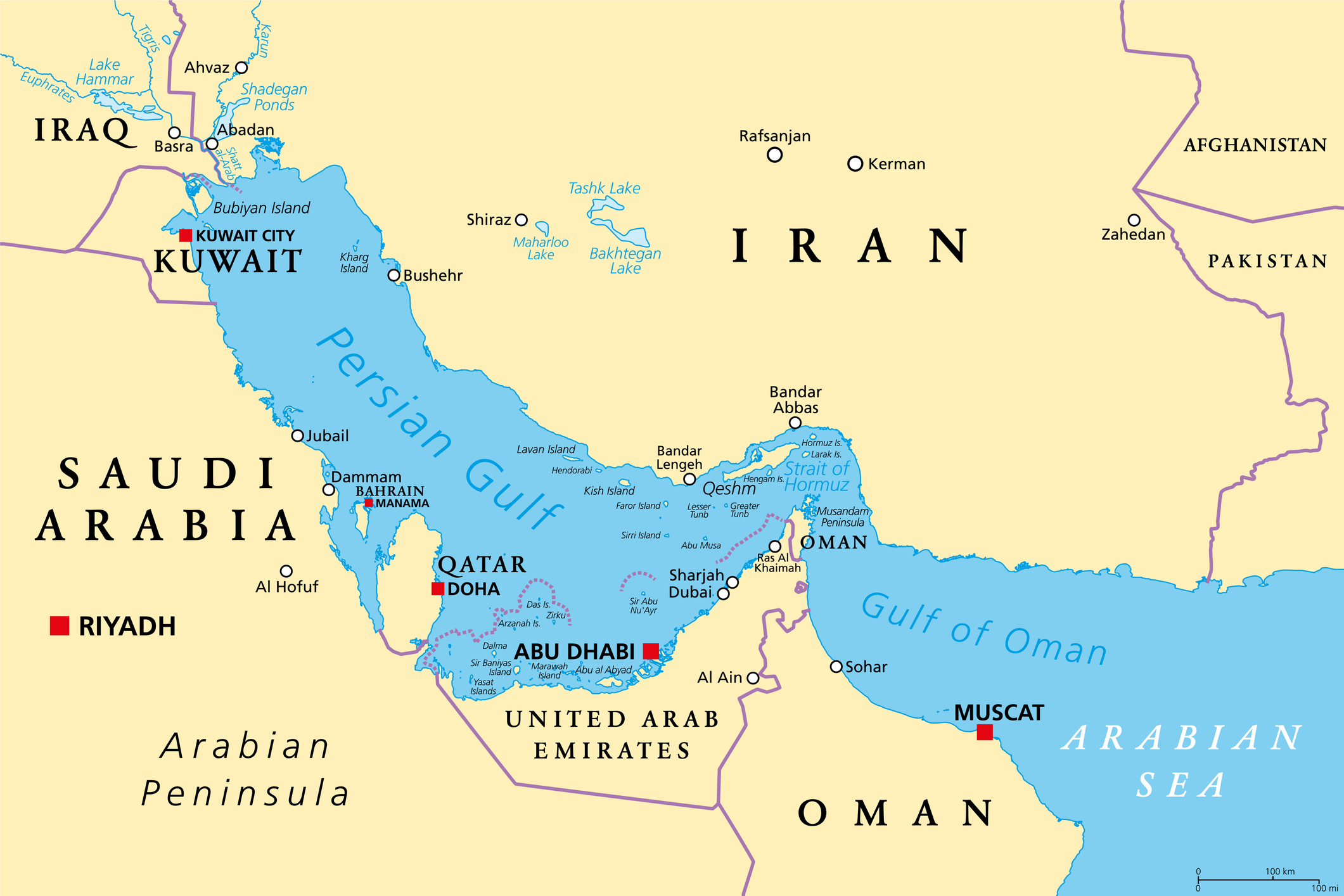
To understand the $200 threat, you have to look at the map through the eyes of a nervous insurer. The Middle East is a series of "choke points." If the conflict in Gaza expands into a direct, sustained war involving Lebanon or Iran, the maritime insurance rates for tankers would skyrocket overnight. Some captains would simply refuse to sail.
Imagine a hypothetical scenario. A mid-sized tanker carrying two million barrels of crude sits idle in the Red Sea. The crew watches the horizon for drones. Every hour they sit still, the global price of oil ticks upward. If that tanker is hit, or if the passage is declared a "no-go" zone, the supply chain doesn't just kink. It snaps.
Egypt sits at the center of this tension. The Suez Canal is Egypt’s crown jewel and its primary source of foreign currency. When global shipping is disrupted by Houthi rebels or regional instability, Egypt’s economy begins to bleed out. Sisi’s endorsement of Trump’s return is, in many ways, a plea for a return to the Abraham Accords era—a time when the region saw a flurry of normalization deals that prioritized economic integration over ancient grievances.
The Trump Variable
The argument presented by the Egyptian leadership is that the current American administration has been too cautious, too focused on traditional diplomatic channels that move at the speed of bureaucracy. They see Trump as a disruptor who is willing to bypass protocol to achieve a frozen conflict.
Whether one agrees with his politics or not, the "Trump Factor" in the oil market is undeniable. During his first term, he leaned heavily on OPEC+, alternating between threatening tweets and personal phone calls to the Saudi Crown Prince to keep prices within a specific band. He viewed oil prices as a direct barometer of his own political success.
Sisi is gambling on the idea that Trump’s unpredictability is actually a form of stability. The logic is counterintuitive: if the bad actors in the region are afraid of a "wildcard" in the White House, they are less likely to take the risks that lead to $200 oil. It is a doctrine of deterrence built on the personality of a single man.
The Invisible Stakes for the Average Citizen
Let’s move away from the palaces in Cairo and the high-rises in Mar-a-Lago. Let’s look at a manufacturing town in the American Midwest.
A small factory produces automotive parts. Their margins are thin. When energy costs spike, their electricity bill for the plant doubles. The cost of the raw steel—transported via rail and truck—climbs by 15%. Suddenly, the factory is losing money on every part they ship. They lay off the night shift. Those workers stop going to the local diner. The diner owner cancels her order for new equipment.
This is the "contagion" of high oil prices. It is a slow-motion wrecking ball that starts at a refinery in the Persian Gulf and ends at a kitchen table in Ohio.
President Sisi knows that if oil hits $200, the resulting global recession will hit developing nations like Egypt with the force of a tidal wave. For Egypt, it isn't just about expensive gas; it's about the risk of civil unrest fueled by the inability to subsidize bread. For the West, it’s about a cost-of-living crisis that could topple governments.
The Fragile Equilibrium
We are currently living in a period of deceptive calm. The markets have "priced in" a certain amount of tension. But markets are notoriously bad at pricing in a "Black Swan" event—a sudden, catastrophic shift that no one saw coming.
The $200 warning is a signal that the equilibrium is failing. The diplomatic tools currently in use are being described by regional leaders as "knives at a gunfight." They see a vacuum of decisive leadership that is being filled by chaos.
Sisi’s words are a reminder that in the modern world, there is no such thing as a "local" war. A drone strike on a processing plant in Abqaiq is a direct tax on a commuter in London. A blockade in the Red Sea is a pay cut for a teacher in Tokyo.
The Narrative of Necessity
There is a certain irony in a military-man-turned-president like Sisi looking toward an American populist as the world’s last best hope for economic sanity. It speaks to a shift in how global power is perceived. The old guard of international institutions is being viewed as ineffective. The new hope—at least in the eyes of those standing on the fault lines—is the return of the "Big Man" politics.
This isn't about ideology. It’s about survival. It’s about ensuring that the tankers keep moving, the refineries keep humming, and the price of a gallon of gas stays within the realm of the manageable.
As night falls in Cairo, Ahmed turns off the television and starts his taxi. He listens to the engine turn over, a mechanical symphony that depends entirely on a fluid pumped from deep beneath the sand thousands of miles away. He doesn't care about the nuances of American election law or the intricacies of the Electoral College. He just wants to know if he’ll be able to afford the fuel for his next shift.
The ghost of $200 oil is out there, lurking in the shadows of the next geopolitical misstep. And according to the man running the most populous country in the Arab world, the only person with the keys to lock that ghost away is currently campaigning in the American heartland.
The world is waiting. The markets are watching. And the price of every single thing we touch hangs in the balance.