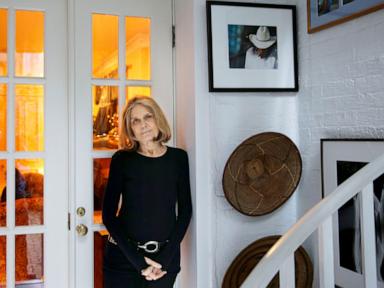
When hundreds of pop stars, poets, and lawmakers pack a venue to celebrate Gloria Steinem, the surface story looks like simple nostalgia. It is not. The real reason these cross-generational tributes draw the biggest names in culture and politics comes down to a glaring vacuum in modern organizing, where viral outrage frequently replaces durable coalition-building. Steinem spent more than five decades turning grassroots frustration into institutional power, and today's cultural architects are studying her playbook because their own digital strategies are hitting a wall.
A celebrity-packed tribute easily degrades into hollow applause. Red carpets get rolled out, soundbites get clipped for social media, and the actual mechanics of power get ignored. Yet anyone who has covered Washington and New York politics for the last thirty years knows that Steinem never operated as a passive icon. She worked the phones. She raised the money. She built the infrastructure that allowed other women to run for office, publish dissenting journalism, and challenge federal law.
The Architecture Behind the Applause
To understand why musicians, writers, and senators share a stage for Steinem, you have to look at how she bridged gaps that usually tear movements apart. Most political figures pick a lane and stay there. They either court the cultural elite in Manhattan and Los Angeles, or they grind away in state legislatures and community centers. Steinem refused the binary.
In the early 1970s, when mainstream newsrooms dismissed women's liberation as a fringe fad, she co-founded Ms. magazine. That single move created an independent media engine that bypassed gatekeepers entirely. Suddenly, issues like domestic violence, reproductive autonomy, and workplace discrimination were no longer relegated to the back pages of metropolitan dailies. They were front-and-center cultural currency.
Around the same time, she helped launch the National Women's Political Caucus alongside figures like Shirley Chisholm, Bella Abzug, and Betty Friedan. Notice the pairing. One organization shaped public consciousness through storytelling and art; the other recruited, trained, and funded women to take actual seats of legislative power. Pop stars and poets understand the former. Politicians live and die by the latter. Steinem mastered both, which explains why both camps show up when her name is on the marquee.
Why Modern Movements Struggle to Replicate Her Reach
Today's activists have tools Steinem could not have imagined in 1971. A single post can reach ten million people before lunch. Hashtags topple executives and force corporate apologies within forty-eight hours. Yet the legislative and cultural wins of the last decade feel remarkably fragile compared to the structural shifts of the late twentieth century.
The problem is speed without roots. Digital campaigns excel at flash-mob outrage, assembling massive crowds around a single moment of crisis. What they rarely build is the boring, unglamorous machinery required to survive a counter-offensive. Steinem spent decades on the road, often speaking in half-empty gymnasiums and small-town union halls alongside organizers like Dorothy Pitman Hughes and Flo Kennedy. Those speaking tours were not victory laps. They were fundraising and recruitment drives designed to connect isolated local groups into a national network.
Modern celebrity activism often stops at the benefit concert or the viral video. When pop stars and politicians gather to honor Steinem today, the subtext is unmistakable. Cultural visibility without political follow-through is just entertainment. Politics without cultural resonance is just bureaucracy. Steinem remains the rare figure who fused the two into a single, functioning engine.
The Friction Nobody Mentions at Tributes
Honest journalism requires looking past the celebratory speeches. Steinem's career was never a smooth, universally praised march toward progress, and pretending otherwise flattens the very lessons that make her work worth examining.
Throughout the 1970s and 1980s, the feminist movement fractured repeatedly over race, class, and sexuality. Black feminists and working-class organizers rightly pointed out that mainstream feminist organizations often centered the priorities of white, college-educated women while treating everyone else's survival as a secondary concern. Internal battles over the Equal Rights Amendment, labor protections, and representation were fierce and frequently public.
Steinem herself faced sharp criticism from both sides of the aisle. Conservatives painted her as a radical threat to the American family, while younger, more militant factions within the movement sometimes viewed her willingness to work inside the Democratic Party establishment as a compromise too far. Later in her career, younger generations scrutinized second-wave feminism for blind spots regarding transgender inclusion and intersectional economics.
What separates Steinem from many of her peers is how she handled that friction. Instead of retreating into defensiveness or clinging to outdated orthodoxy, she consistently listened, adjusted her coalition, and passed the microphone to younger voices. When the Women's March surged onto the national stage in 2017, Steinem did not demand the center of the frame as a legacy founder. She stood alongside a vastly more diverse generation of organizers, lending her institutional credibility without dictating their agenda.
How Cultural Power Actually Converts to Policy
Look closely at the guest list of any major tribute to Steinem, and you will see a blueprint for how social change actually happens in the United States. Every group in that room represents a distinct lever of influence.
- Musicians and performers break emotional barriers, reaching audiences who would never read a policy white paper or attend a town hall.
- Poets and authors supply the language that allows people to name private struggles as public, systemic issues.
- Elected officials translate that shifted public consciousness into statutory law, judicial appointments, and budget allocations.
Without the artists, the politicians lack the public mandate to take risks. Without the politicians, the artists' message evaporates into applause. Steinem spent her entire adult life acting as the connective tissue between those worlds. She understood that a senator needs a cultural tailwind to pass difficult legislation, and an artist needs a legislative target to make their work matter beyond the stage.
Consider how she used her own visibility. In the 1970s, media outlets obsessed over her appearance, her personal life, and her status as a former Playboy Bunny who went undercover to expose exploitative working conditions. Rather than fighting the press for ignoring her policy credentials, she used the spotlight they gave her to redirect cameras toward local organizers, welfare rights activists, and marginalized leaders who could not get booked on network television on their own. She treated fame as a currency to be spent, not hoarded.
The Trap of Nostalgia and the Cost of Complacency
There is a real danger in turning living organizers into monuments. When an industry or a political party throws a massive tribute, it can subtly signal that the fight is over—that the hard work belongs to a golden era we can now safely celebrate from plush theater seats.
Steinem herself has repeatedly pushed back against that impulse. She famously remarked that she hoped to live long enough to see the movement outgrow the need for individual icons. Yet here we are, well into the twenty-first century, watching reproductive rights rolled back in dozens of states, gender pay gaps stagnating across major industries, and women's representation in top corporate and political tiers still lagging far behind parity.
If pop stars, poets, and politicians want their tribute to mean anything beyond a pleasant evening in New York or Washington, the metrics of success will not be found in press coverage of the event. They will show up in voter turnout among young women, in campaign finance registries for down-ballot candidates, and in whether cultural influencers are willing to risk commercial backlash when real legislative battles hit the floor.
What Comes After the Standing Ovation
The mechanics of organizing have changed, yet human psychology has not. People still join movements because someone showed up in their community, listened to their reality, and offered them a concrete role in fixing it. Algorithms can amplify anger, but they cannot build trust.
Steinem's enduring pull across generations has very little to do with nostalgia for the 1970s and everything to do with competence. She proved that outsider agitation and insider strategy do not have to be enemies. You can write a blistering critique of the power structure in the morning, raise money from wealthy donors at lunch, and walk a picket line before dinner.
The hundreds of artists and lawmakers applauding Gloria Steinem are celebrating a standard of political craft that has grown dangerously rare. Applause is easy. Building something that lasts fifty years is the actual job.