Nine workers lost their jobs overnight. A subcontractor got slapped with an HK$810,000 fine.
When news broke about the penalty on Hong Kong's flagship incinerator project, most people just saw another construction headline. They skimmed the numbers, shook their heads at the safety lapses, and moved on. That's a mistake. If you work anywhere near major infrastructure, project management, or compliance in Hong Kong, this specific enforcement action isn't just local news—it's a massive warning sign about how liability is shifting on mega-projects.
Let's be clear about what happened. The main contractor building Hong Kong's first municipal solid waste incinerator—the Integrated Waste Management Facilities (IWMF) Phase 1 near Shek Kwu Chau—fired nine workers and fined a subcontractor HK$810,000 after serious safety breaches came to light.
I've spent years analyzing construction compliance and public works contracts across Asia. Usually, when things go wrong on a site, you get a standard PR statement about "reviewing internal protocols" and "retraining staff." You rarely see immediate, public financial clawbacks of nearly a million Hong Kong dollars paired with instant terminations. When a main contractor swings the axe that hard, something structural has changed behind the scenes.
Why the Shek Kwu Chau Incinerator Project Faces Extreme Scrutiny
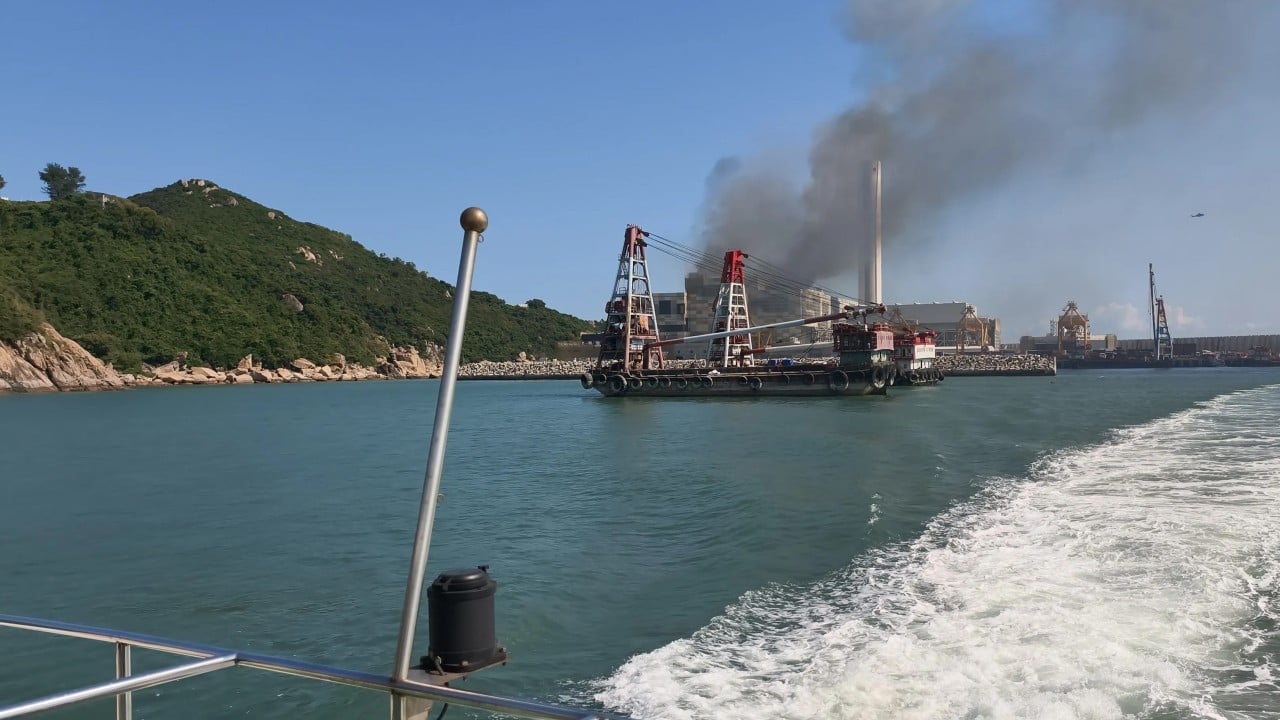
You can't understand this fine without understanding the stakes of the project itself. The IWMF Phase 1 isn't just another commercial tower or road widening job. Built on an artificial island reclaimed near Shek Kwu Chau, it's designed to process 3,000 tonnes of municipal solid waste every single day.
It's a multi-billion-dollar centerpiece of Hong Kong's Environmental Protection Department (EPD) strategy to stop relying on overflowing landfills. Because it sits on an artificial island, logistics are a nightmare. Every worker, every piece of heavy machinery, and every tonne of steel arrives by marine vessel.
When you pack thousands of workers onto an isolated marine site under tight government deadlines, corners get cut. It happens on every mega-project. Workers skip a harness check to save five minutes before the ferry leaves. Foremen look the other way when scaffolding isn't tagged properly because they're behind schedule.
Normally, those small shortcuts stay buried until an accident happens. Here, the main contractor stepped in before a fatal headline forced their hand, firing the nine individuals involved and hitting the subcontractor directly in their profit margin with that HK$810,000 penalty.
The Economics of an HK$810,000 Subcontractor Penalty
Let's talk money, because that's the only language that actually changes behavior on a construction site.
HK$810,000 is roughly US$104,000. For a massive international engineering conglomerate, that's a rounding error. For a specialized tier-two or tier-three subcontractor operating in Hong Kong's notoriously thin-margin construction market, an HK$810,000 deduction can wipe out the entire net profit of a work package.
Why did the main contractor levy such a specific, steep amount? Under standard Hong Kong public works contracts—and specifically the NEC (New Engineering Contract) frameworks increasingly used by the government—main contractors face brutal KPIs (Key Performance Indicators) tied directly to site safety.
If a subcontractor gets caught violating safety rules by the Labour Department or the EPD's resident site staff, the main contractor doesn't just get embarrassed. They risk:
- Direct financial deductions from their own milestone payments.
- Suspension from tendering on future government public works contracts, which is basically a death sentence for major builders in Hong Kong.
- Criminal prosecution of site agents and project managers under the Factories and Industrial Undertakings Ordinance.
So the main contractor passed the pain down the chain. By deducting HK$810,000 directly from the subcontractor's account, they sent an unmistakable message to every other firm on that artificial island: your negligence will come straight out of your own pocket, not ours.
Why Firing Nine Workers Isn't Enough on Its Own
Sacking nine workers grabs headlines. It looks decisive. It tells the public and the government regulators that management has zero tolerance for rule-breakers.
Honestly, though? Firing front-line workers is often the easiest way for management to pretend they've solved a systemic problem.
Think about why nine workers on the same project would violate safety protocols. Did nine rational adults simultaneously wake up and decide to risk their lives and their livelihoods just for fun? Of course not. People cut corners on construction sites for three main reasons:
- Unrealistic production targets set by supervisors who care more about concrete pours than safety briefings.
- A lack of proper equipment on the ground when the work actually needs to happen.
- A site culture where speaking up about a hazard gets you labeled as a troublemaker who slows down the crew.
If you fire nine workers without changing the supervisor who pressured them to rush, you haven't fixed anything. You've just replaced nine experienced hands with nine new guys who don't know the site layout yet—which actually increases the risk of an accident next week. That's why the HK$810,000 fine against the subcontractor matters way more than the firings. You have to penalize the corporate entity controlling the schedules and the supervision, not just the guys holding the wrenches.
Hong Kong's Crackdown on Construction Safety Culture
This incident didn't happen in a vacuum. Over the past few years, Hong Kong's construction industry has faced intense public and political backlash over its industrial accident rate. Despite billions spent on technology and safety campaigns, fatal falls, crane collapses, and electrocutions kept happening on both private and public sites.
In response, the Legislative Council passed major amendments to Hong Kong's occupational safety laws, dramatically increasing maximum fines for serious offenses to HK$10 million and introducing tougher jail sentences for negligent employers. At the same time, the Development Bureau pushed hard for the mandatory adoption of Smart Site Safety Systems (SSSS) across public works.
We're talking about AI-powered cameras that detect missing helmets, smart watches that monitor worker heart rates and locations, and digital permit-to-work systems that lock out machinery unless a safety officer signs off digitally.
On a high-profile site like the Shek Kwu Chau incinerator, surveillance is everywhere. You can't hide behind a pillar and take off your harness anymore. The data logs everything. When a breach happens, the digital trail points straight to who was there, who supervised them, and which subcontractor holds their contract.
What Contractors and Subcontractors Need to Do Right Now
If you run a contracting business, manage site operations, or oversee compliance in Hong Kong, waiting for a Labour Department inspection or a main contractor audit is a losing game. The rules of engagement have shifted permanently toward financial clawbacks and zero-tolerance terminations.
Here is how you actually protect your crew and your balance sheet:
- Audit your sub-tier supervision ratios. Most safety breaches happen when one foreman is trying to watch thirty workers across three different levels of scaffolding. If your supervisors are stretched too thin, slow the work down before someone gets hurt or fined.
- Build safety penalties into your own internal budgets. Don't treat safety compliance as an administrative overhead. Calculate what an HK$800,000 fine does to your cash flow, then spend a fraction of that money hiring dedicated, independent site safety officers who report directly to company directors—not to the project manager trying to hit a deadline.
- Stop rewarding speed over procedure. If your site supervisors praise crews for finishing a lift early while ignoring missing edge protection, you're actively manufacturing the exact behavior that leads to mass firings.
- Verify your Smart Site Safety System data daily. Don't just install the sensors and cameras to tick a tender box. Have someone review the automated alerts every afternoon so you catch recurring habits—like workers bypassing access gates—before the main contractor's commercial team uses that exact data to fine you.
The Shek Kwu Chau incinerator will eventually burn thousands of tonnes of trash a day, but right now, the loudest message coming off that island has nothing to do with waste management. Main contractors are done absorbing the financial and reputational fallout for subcontractor negligence, and the price of looking the other way just got way too expensive.