Airfares aren't the main reason people are skipping flights across the Asia-Pacific region right now. It's the paperwork. Nearly half of travellers surveyed across Asia-Pacific say complex immigration rules and visa hurdles are actively stopping them from booking international trips.
Think about that for a second. Airlines spent years rebuilding routes, airports expanded terminals, and yet almost 50% of potential flyers look at an entry requirement checklist and close their browser tab.
I've booked dozens of multi-leg trips through Southeast and East Asia over the past few years, and honestly, the friction isn't always about getting rejected at a border. It's the sheer unpredictability and administrative fatigue before you even pack a bag. When a weekend hop from Kuala Lumpur to Taipei or a family holiday from Sydney to Tokyo feels like applying for a mortgage, people just stay home or book a domestic flight instead.
What the IATA Survey Actually Reveals About Asia-Pacific Travellers
According to the International Air Transport Association (IATA) Global Passenger Survey, immigration complexity ranks as one of the biggest deterrents to international air travel in the Asia-Pacific region. While North American and European flyers often complain first about flight delays or baggage fees, Asia-Pacific passengers are disproportionately bogged down by pre-departure bureaucracy.
Here's what's actually pushing travellers away from international terminals:
- Confusing visa application processes that require physical embassy visits, bank statements, or poorly translated online portals.
- High visa fees that sometimes cost more than a budget airline ticket on short-haul regional routes.
- Unclear digital arrival cards that change rules without warning, leaving passengers scrambling at airport check-in counters.
- Long processing wait times that make spontaneous travel or last-minute business trips nearly impossible.
IATA's data highlights a massive disconnect. Travellers want biometric boarding, digital passports, and quick clearances. Governments, meanwhile, have layered on digital travel authorizations, health declarations, and reciprocity fees that slow down the entire journey.
When nearly half of a region's flying public says immigration rules deter them, that's not a minor inconvenience. That's a massive economic leak for airlines, hotels, and local tourism boards.
The Hidden Cost of Border Friction on Short-Haul Routes
In Europe, you can cross borders without thinking twice. In Asia-Pacific, a two-hour flight often means navigating an entirely different legal and administrative universe.
Take a look at how a typical regional traveller experiences this. If you hold a passport from an emerging ASEAN economy—say Indonesia, Vietnam, or the Philippines—visiting neighboring countries like Japan, South Korea, or Australia involves gathering months of financial records, employment verification letters, and confirmed itineraries before you even know if you'll be approved. Even when e-visas exist, the portals frequently crash or reject standard photo uploads over arbitrary pixel dimensions.
Compare that to domestic travel. If you live in China, India, Indonesia, or Australia, your domestic market is huge. Why pay $150 in visa fees and wait three weeks for an embassy decision when you can fly domestically in two hours with just a national ID card?
You see the result immediately in aviation recovery numbers. Domestic air travel across Asia-Pacific bounced back way faster than international routes, and border bureaucracy is a huge reason why international seat capacity still struggles on certain corridors. Airlines can discount tickets all day long, but a $49 promo fare means nothing if the visa costs $120 and takes a month to process.
Why Digital Arrival Cards Often Make Things Worse
Governments love to announce "modernized" border systems. In theory, replacing paper arrival slips with online forms sounds great. In practice, it has created a new headache for travellers.
Over the past couple of years, countries like Singapore (SG Arrival Card), Malaysia (MDAC), Thailand (with its shifting electronic travel authorization plans), and Indonesia (electronic customs and visa-on-arrival portals) have rolled out mandatory digital forms. Each country has its own website, its own submission window—some require it within 72 hours of arrival, others allow it up to 14 days prior—and its own payment gateway.
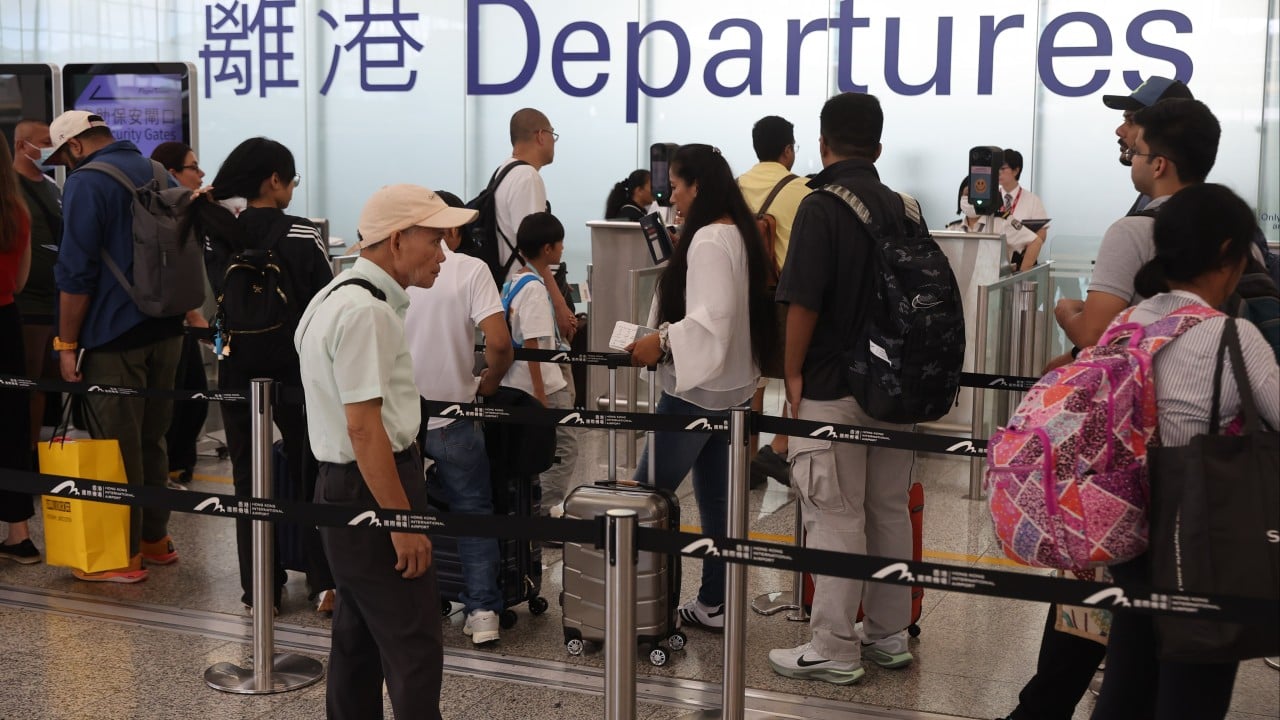
Here's what happens at check-in desks every single day. A passenger shows up at the airport two hours before departure, unaware that their destination launched a mandatory online arrival card three months ago. The airline agent won't issue a boarding pass until the form is completed because carriers face heavy fines if they transport undocumented passengers. So you end up with dozens of stressed travellers standing near the check-in counters, trying to fill out clunky government forms on tiny phone screens over spotty airport Wi-Fi.
Even worse, scam websites have exploded. Search for an official arrival card or e-visa on Google, and the top three results are often third-party agencies charging $80 for a form that's actually free on the official government site. For infrequent flyers, getting burned by a fake portal once is enough to make them swear off international trips altogether.
The Visa-Free Ripple Effect Proves What Travellers Want
Whenever a country drops visa barriers in Asia-Pacific, the reaction is immediate and massive. You don't need a complicated economic model to see cause and effect here.
Look at what happened when Thailand, Malaysia, and Singapore introduced mutual visa-free entry agreements with China and India. Flight bookings surged within days. Search volume spiked, airlines added frequencies, and hotel occupancy jumped. People didn't suddenly get richer overnight—the governments simply removed the biggest psychological and financial barrier standing between a traveller and a plane ticket.
IATA has repeatedly pointed out that visa facilitation is one of the highest-return investments a country can make for its tourism sector. When travellers know they can book a flight on Tuesday and fly on Friday without begging an embassy for permission, they spend money. They take shorter, more frequent trips. They bring their families.
Yet many governments still treat visa policy purely as a security filter or a revenue stream rather than an economic growth engine. Reciprocity rules—where Country A refuses to ease visa rules for Country B until Country B does the exact same thing—keep millions of potential tourists locked out of regional markets.
How Airlines and Airports Are Caught in the Middle
Airlines hate immigration friction almost as much as passengers do. Every rejected visa means a cancelled ticket, a refund request, or an empty seat that couldn't be resold in time.
To fight back, aviation groups like IATA are pushing hard for One ID—a system using biometric recognition and verifiable digital credentials so passengers can verify their admissibility before they ever leave home. Instead of showing your passport five different times at check-in, security, lounge access, and the boarding gate, your face acts as your boarding pass and customs clearance.
Singapore's Changi Airport and Tokyo's Narita and Haneda airports are already leading the charge with passport-free biometric lanes. Once you're inside those terminals, moving through immigration takes seconds.
But here's the catch. Biometric gates at the airport don't solve the pre-departure visa problem. You can have the fastest facial recognition scanner on earth at arrivals, and it still won't help a family in Manila or Jakarta who gave up trying to navigate a broken visa portal three weeks earlier. Until governments standardize digital travel authorizations and cut the red tape required to obtain them, airport tech only fixes the last ten minutes of a journey that was already painful before it started.
Practical Ways to Navigate Asia-Pacific Border Rules Without Losing Your Mind
If you're planning to fly across the Asia-Pacific region anytime soon, you can't change government policy, but you can avoid the traps that ruin trips for everyone else.
- Check entry rules 30 days out, then again 72 hours before departure. Immigration policies in Asia-Pacific change fast. A visa-free waiver can expire, or a new digital arrival card can become mandatory overnight. Always check the IATA Travel Centre database or your airline's Timatic portal rather than relying on travel blogs from two years ago.
- Bookmark official government domains only. Never click sponsored links when searching for e-visas or arrival cards. Look for official suffixes like
.gov.sg,.gov.my,.go.jp, or.go.th. If a site asks for $70 for a standard arrival declaration, close it immediately. - Screenshot every QR code and approval PDF. Airport Wi-Fi fails at the exact moment an immigration officer asks to see your digital arrival receipt. Save offline copies in a dedicated folder on your phone and print a backup copy if you're transiting through multiple countries.
- Apply for e-visas at least three weeks early. Even when an official website promises "48-hour processing," public holidays, system maintenance, or random manual security reviews can stretch that into two weeks.
- Enroll in trusted traveller programs if you fly regionally. Programs like APEC Business Travel Card (ABTC), Hong Kong's e-Channel, or Singapore's automated clearance initiatives cut hours off border queues if you meet the eligibility criteria.
Until more Asia-Pacific governments realize that clunky visa portals and surprise arrival forms are costing them billions in lost tourism revenue, half the region's travellers will keep looking at international flight deals—and deciding it's just not worth the hassle.