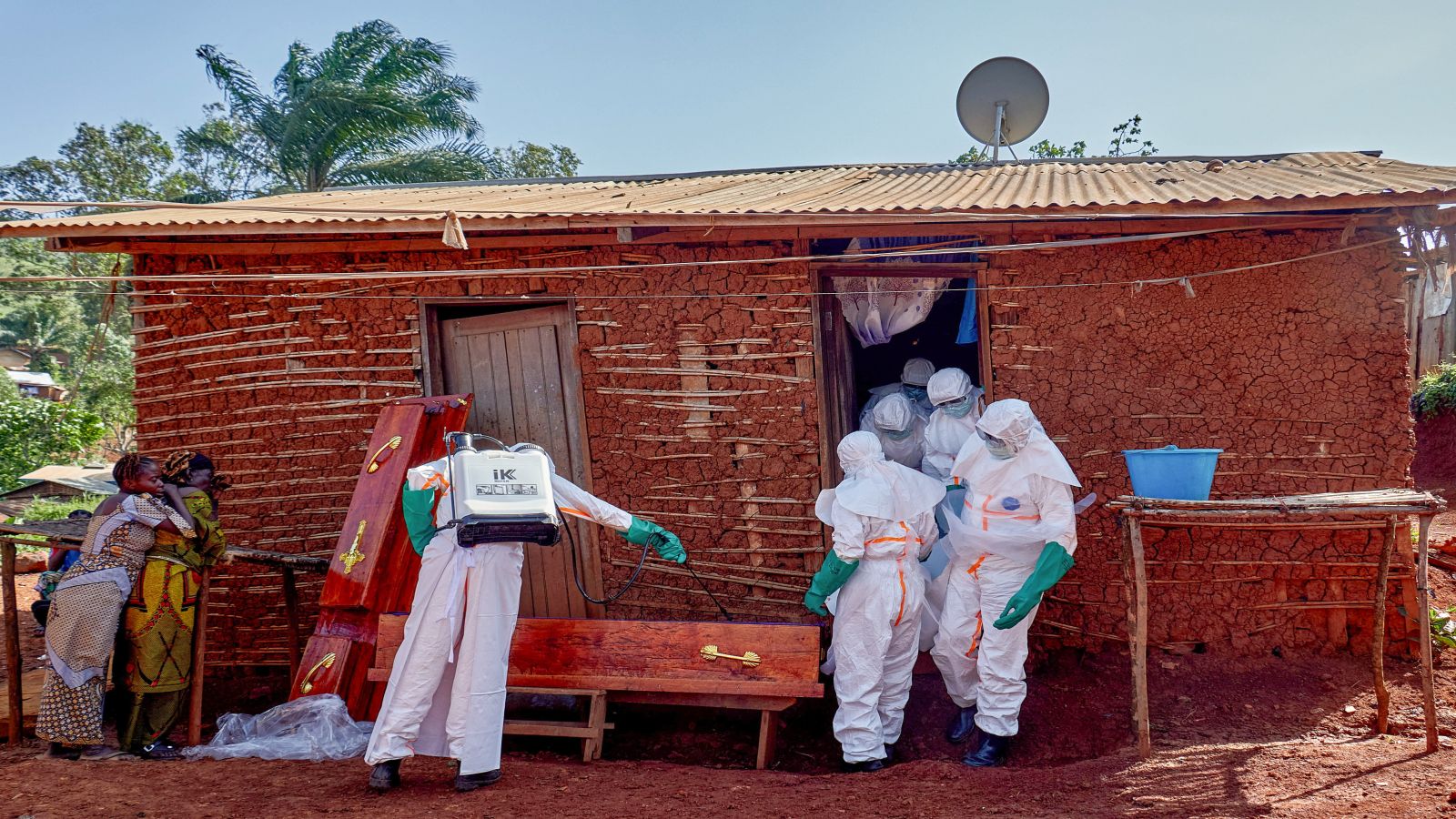
Government figures confirm that more than 3,000 people have died in the Democratic Republic of Congo from the fastest-spreading Ebola epidemic in history. Confirmed cases have surged past 6,100, concentrated primarily in the eastern province of Ituri. This crisis is driven by the rare Bundibugyo virus, a strain carrying no approved vaccines or targeted treatments. Decades of infrastructure decay, persistent regional conflict, and deep community distrust have combined to create an epidemiological disaster that standard international playbooks are failing to contain.
The raw numbers tell a grim story, but they obscure the operational breakdown on the ground. Approximately 60 percent of all fatalities occur outside of established treatment centers. Patients are dying at home or in displacement camps because they never reach medical care. Surveillance systems are failing to catch infections early, leaving contact tracers chasing shadows across rugged terrain.
The Strain Variable
Unlike previous major epidemics in West Africa or earlier Congolese flare-ups driven by the Zaire species, this outbreak stems from the Bundibugyo strain. This distinction matters profoundly. There are no licensed countermeasures specifically formulated for Bundibugyo.
Health authorities have resorted to deploying Merck’s Ervebo vaccine—designed for the Zaire variant—to frontline health workers under the assumption of cross-protection. While clinical trials for specific Bundibugyo candidates crawl forward, the frontline defense remains improvised. Improvised medical strategies during an exponential viral expansion rarely yield containment.
Structural Impediments and Community Friction
Eastern Congo is a zone of chronic displacement. Armed rebel groups frequently control access routes, while community resistance to external intervention runs deep. Mistrust of central government officials and international responders manifests as active hostility.
Consider a recent incident on the outskirts of Mambasa, where a mobile response team arrived to manage a safe burial. They were met by youths armed with machetes, forcing medical personnel to flee and injuring staff. Traditional burial practices involve washing and touching bodies highly saturated with the virus. When authorities mandate state-managed burials to break transmission chains, families often perceive it as a violation of cultural dignity, driving mourning practices underground. Viral transmission accelerates invisibly inside private homes.
The reopening of schools in Ituri and surrounding provinces has injected another layer of vulnerability into the crisis. While educational officials distribute infrared thermometers and hand-washing basins, many rural institutions lack reliable access to clean water entirely. Children under five face a disproportionate case-fatality rate reaching 60 percent, turning classrooms into high-stakes environments where prevention protocols collide with municipal poverty.
International funding pledges, such as recent multi-million-dollar injections from the United Kingdom and the United Nations, provide necessary capital for disease surveillance and infection control. Money alone cannot pave impassable roads, neutralize active combatants, or instantly repair public trust eroded by decades of state neglect. Until the response mechanism shifts from top-down enforcement to community-led health integration, the virus will continue to outpace the cure.


